
To start a bow-drill fire with foraged materials, gather dry, sturdy wood for the spindle and fireboard, and find a flexible green branch or vine for the bow. Carve a notch in the fireboard to collect dust, and attach a natural string to the bow. Use steady, consistent sawing pressure to generate heat and create an ember. Mastering these steps boosts your confidence—keep exploring to release more wilderness fire secrets.
Key Takeaways
- Gather dry, sturdy wood and a carved fireboard from natural, foraged materials like dead branches or softwood.
- Use a flexible, foraged branch as a bow, attaching a natural cord to create tension for sawing.
- Ensure the spindle is smooth and straight, and position it in the fireboard notch to maximize friction.
- Saw back and forth with steady pressure, maintaining a consistent rhythm until an ember forms.
- Carefully transfer the ember to tinder and gently blow to ignite a fire.

Creating a fire with a bow-drill using foraged materials is a rewarding skill that connects you to ancient survival techniques. It’s more than just igniting flames; it’s about reclaiming your independence in the wild, harnessing nature’s resources to sustain and empower yourself. With this skill, you’re not dependent on matches or lighters—you become self-sufficient, capable of creating warmth, cooking food, and even signaling for help using the very environment around you. As you master the bow-drill, you also learn to identify shelter-building materials and edible plants, further strengthening your bond with nature and your freedom to survive on your own terms.
Master the bow-drill to ignite fires, build shelters, and forage—reclaim your independence and thrive in the wild.
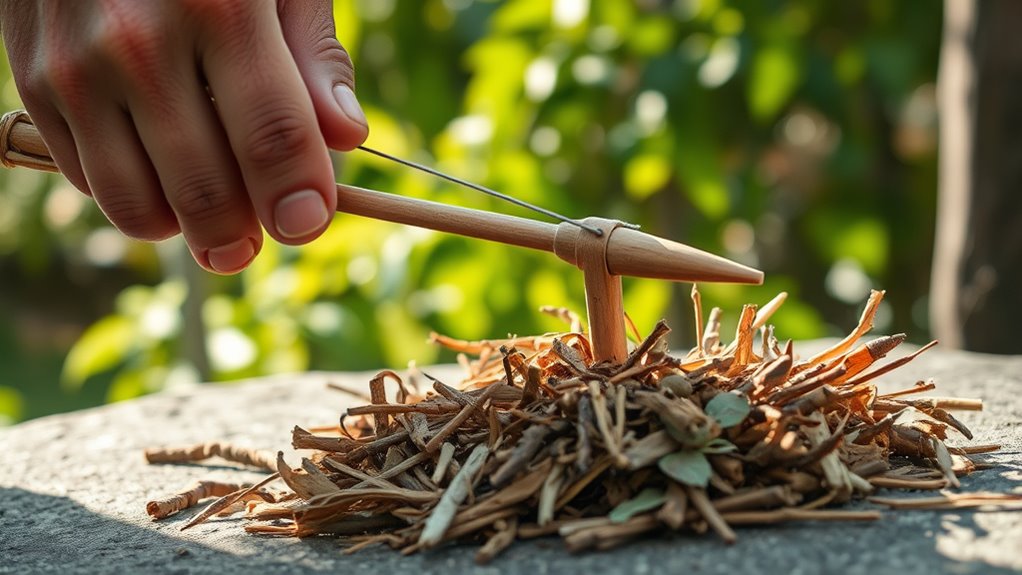
To start, gather appropriate foraged materials. You’ll need a sturdy, dry piece of wood for the spindle, a fireboard with a notch, and a bow made from flexible wood or sturdy green branch with a string or shoelace attached. The spindle should be smooth and straight, while the fireboard must have a carved notch to allow dust to collect and create the friction needed to generate an ember. Use natural materials like softwood or dead branches, which produce less resistance and make fire-starting easier. When practicing, focus on the technique, applying steady pressure and a consistent sawing motion with the bow. This action creates the friction necessary to produce heat and, ultimately, an ember that you can transfer onto tinder to ignite your fire. Building fire-starting skills is essential for self-reliance and survival.
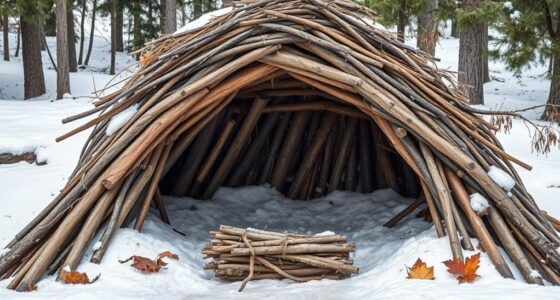
As you become confident with fire-starting, expand your skills to shelter building and foraging for edible plants. Knowing how to build a shelter using foraged branches, leaves, and bark gives you protection from the elements, providing a safe space to rest and plan your next move. At the same time, identifying edible plants ensures you can sustain yourself without relying on external sources. Recognize wild berries, nuts, and greens, understanding which are safe and nutritious. This knowledge liberates you from the dependency on supermarket supplies, empowering you to live off the land and adapt to changing circumstances.
The true power of mastering the bow-drill lies in the sense of self-reliance it fosters. It’s about reclaiming control over your survival, using nature’s gifts to support your independence. The skills of shelter building, fire starting, and foraging intertwine to create a thorough toolkit that transforms you from a passive observer into an active participant in your environment. Every successful fire, shelter, or edible plant gathering session deepens your connection to the wilderness and renews your confidence—reminding you that you’re capable of thriving on your own terms, no matter what challenges lie ahead.
Frequently Asked Questions
What Are the Best Foraged Woods for Bow-Drill Fire?
You should look for native woods like willow, cedar, and cottonwood, as they’re ideal for bow-drill fires. Focus on native plant identification to guarantee you harvest sustainably, avoiding damage to ecosystems. These woods are soft, heat efficiently, and ignite easily. By choosing wisely and practicing sustainable harvesting, you connect with nature’s resources, empowering your skills and fostering a sense of liberation through self-reliance and respect for the environment.
How Do I Identify Dry, Suitable Tinder in the Wild?
You identify dry, suitable tinder by looking for natural tinder like dead grass, bark, or small twigs that snap easily. Test it by gently pulling or crushing; if it’s crumbly and light, it’s good to go. Tinder testing helps you avoid damp or green materials, ensuring your fire-starting efforts succeed. Trust your senses—if it feels brittle and dry, you’re on the right track for a quick, effective ignition.
What Safety Precautions Should I Take During Fire-Starting?
Imagine sparks flying, but remember, safety is your shield. Always keep a clear zone around your fire, have water or a fire extinguisher handy, and never leave it unattended. Follow fire safety guidelines and emergency preparedness steps—plan ahead and know how to extinguish flames quickly. By respecting fire’s power, you embrace the freedom to enjoy it safely, turning a wild spark into a controlled, liberating blaze.
Can I Use Alternative Materials if I Can’T Find Traditional Parts?
Yes, you can use DIY alternatives or synthetic substitutes if traditional parts aren’t available. Think outside the box—use smoother stones, sturdy sticks, or even repurposed materials like scrap wood or plastic, but be cautious of safety. Remember, the goal is to keep the process natural and empowering, so explore creative options that suit your environment. Just make certain whatever you choose is safe and effective for creating that essential friction.
How Do Weather Conditions Affect the Bow-Drill Fire Process?
Weather conditions markedly impact your bow-drill fire. High humidity hampers your progress by making materials less dry and harder to generate friction, while wind influence can easily extinguish sparks or blow away your ember. To succeed, you need to understand these factors and adapt—perhaps by choosing sheltered spots or waiting for drier, calmer days. Weather isn’t an obstacle; it’s a challenge to master for true fire-starting freedom.
Conclusion
Now that you know how to create fire using a bow drill from foraged materials, you’re empowering yourself with a essential survival skill. Did you know that over 80% of wildfires are caused by human activity, often preventable? Mastering this technique not only connects you to ancient practices but also equips you to stay safe and self-reliant in emergencies. With practice, you’ll turn simple natural resources into a life-saving tool—bringing confidence and resilience to your outdoor adventures.