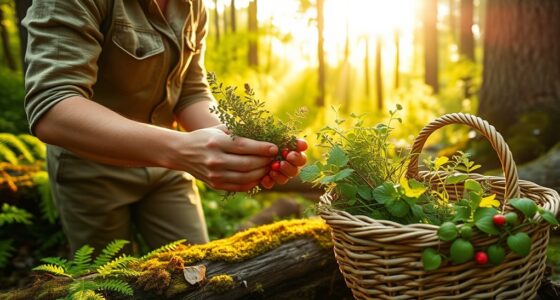
During lean months, wild greens become your crucial source of essential vitamins like A, C, K, and folate, supporting immune function and overall health. By foraging for safe, seasonal plants such as dandelion, wild amaranth, and nettles, you can boost nutrient intake naturally. These greens are often more nutrient-dense than store-bought vegetables, helping you stay nourished and vibrant. If you keep exploring, you’ll discover even more ways wild greens can enhance your diet year-round.

Get garden gear delivered free — and shop member deals
- Fast, free delivery on millions of items
- Access to Prime Big Deal Days deals on October 6–7
- Prime Video, Amazon Music and more included
Key Takeaways
- Wild greens like dandelion and amaranth are rich in vitamins A, C, K, and folate, supporting immunity and overall health.
- They provide nutrient-dense options when store-bought vegetables are scarce during lean months.
- Foraging wild greens ensures access to fresh, seasonal vitamins that sustain energy and immune function.
- Incorporating wild greens diversifies diets and enhances nutritional intake without reliance on commercial produce.
- Recognizing and harvesting wild greens promotes self-sufficiency and resilience during nutrient-scarce periods.
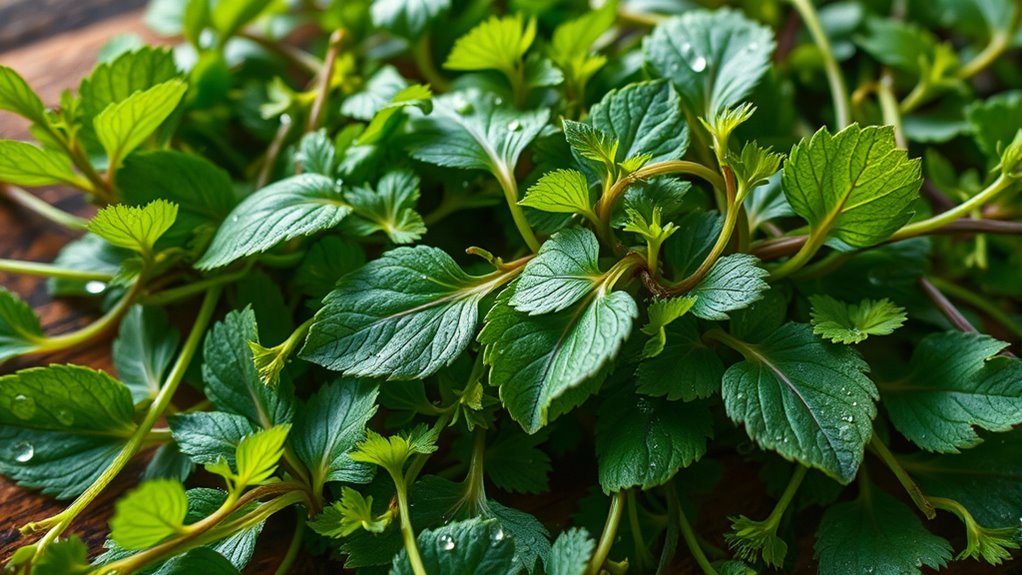
Wild greens have long been overlooked as powerful sources of essential vitamins, but they are packed with nutrients that can boost your health naturally. During lean months when fresh produce is scarce, turning to these wild edibles is a true act of liberation—taking control of your nourishment and reconnecting with nature’s abundant bounty. By mastering simple foraging techniques, you can confidently identify safe, vitamin-rich greens in your environment, freeing yourself from dependency on store-bought options. These techniques involve observing plant characteristics carefully—looking at leaf shape, color, and growth patterns—and learning which plants are edible versus harmful. With practice, you’ll gain the confidence to forage responsibly, ensuring you harvest only what’s safe and sustainable.
Understanding the nutritional benefits of wild greens transforms your approach to seasonal eating. Many of these plants are concentrated sources of vitamins A, C, K, and folate—nutrients essential for your immune system, skin health, and energy levels. For example, young dandelion greens provide a hefty dose of vitamin K, which supports blood clotting and bone health, while wild amaranth offers abundant vitamin C, boosting your resistance against illnesses. These greens are often more nutrient-dense than cultivated vegetables, giving you a powerful edge during months when fresh produce is limited. Incorporating wild greens into your diet doesn’t just diversify your meals; it empowers you to sustain your health independently, bypassing the constraints of supermarket availability.
Wild greens pack vitamins A, C, K, and folate, boosting immunity and health during seasonal shortages.
By embracing foraging techniques, you also tap into a sense of freedom that comes from self-sufficiency. You learn to read your landscape, recognizing the signs of edible plants and understanding their seasonal cycles. This knowledge diminishes reliance on commercial sources, restoring a primal connection to your environment. As you gather wild greens, you reclaim your agency over what nourishes your body, making each foraging trip a conscious act of emancipation from the processed and limited options often available in stores. Plus, harvesting your own greens reduces waste and packaging, aligning your lifestyle with sustainability and respect for nature.
In essence, wild greens are more than just survival foods—they’re a pathway to independence and health. By honing your foraging techniques and appreciating their nutritional benefits, you liberate a powerful resource that sustains you during lean months. This practice encourages a deeper bond with the natural world, reminding you that true nourishment is often just a few steps outside your door. So, take the leap—learn to forage, embrace the nutrients hidden in your environment, and reclaim your right to vibrant, natural health all year round.
As an affiliate, we earn on qualifying purchases.
Frequently Asked Questions
Which Wild Greens Are Safest for Beginners to Harvest?
You should start with wild greens like chickweed, dandelion, and lamb’s quarters, as they’re safe for beginners. Use simple harvesting techniques—pick tender leaves, avoiding tough stems. Focus on identification tips: look for distinctive shapes, textures, and smells, and always double-check your plant’s features before harvesting. This way, you liberate yourself from store-bought greens, confidently gathering nourishing wild greens while respecting nature’s safety cues.
How Can Wild Greens Be Stored to Maximize Vitamin Retention?
Think of storing wild greens as locking in sunshine before it fades. You can maximize vitamin retention by using preservation techniques like blanching, then storing the greens in airtight storage containers. Keep them in the refrigerator’s crisper or freeze them for longer-lasting freshness. Proper storage liberates you from reliance on fresh harvests, ensuring you enjoy nutrient-rich greens even when nature’s bounty isn’t as abundant.
Are There Any Wild Greens With Potential Toxicity?
Yes, some wild greens can be toxic if misidentified or eaten in excess. Avoid toxic plants like hemlock, deadly nightshade, and certain wild parsnips, which can cause serious health issues. Follow safety guidelines by properly identifying plants, consulting local foraging experts, and starting with small amounts. By staying cautious, you can enjoy the freedom of foraging while protecting yourself from potential dangers.
How Do Wild Greens Compare Nutritionally to Cultivated Vegetables?
You’ll find wild greens often pack more nutrients than cultivated veggies, making foraging techniques your secret weapon. They’re the rebels of the garden world, bursting with flavor and vitamins you can’t always find in store-bought produce. Use these greens in your culinary adventures to liberate your diet from mundane monotony. Embrace the wild, and let your taste buds celebrate with fresh, nutrient-dense greens that challenge the status quo.
Can Wild Greens Help Prevent Specific Nutrient Deficiency Diseases?
Wild greens can definitely help prevent nutrient deficiency diseases by providing essential vitamins and minerals, supporting your body’s natural defenses. Their rich nutrient content promotes disease mitigation, helping you stay healthy and resilient. Incorporating wild greens into your diet empowers you to take control of your nutrition, especially in lean months. You’re liberated from reliance on processed foods, embracing natural, potent sources of nutrition that foster well-being and strength.
Conclusion
So, don’t overlook wild greens when the months turn lean. They’re a treasure trove of essential nutrients that can keep your health on track. With a little foraging, you can stay ahead of the game and avoid going over the hill when fresh produce runs low. Remember, it’s better to strike while the iron’s hot—nature’s gifts can fill your pantry and body with goodness, no matter what season it is.
Fall Picks
fall essentials
As an affiliate, we earn on qualifying purchases.