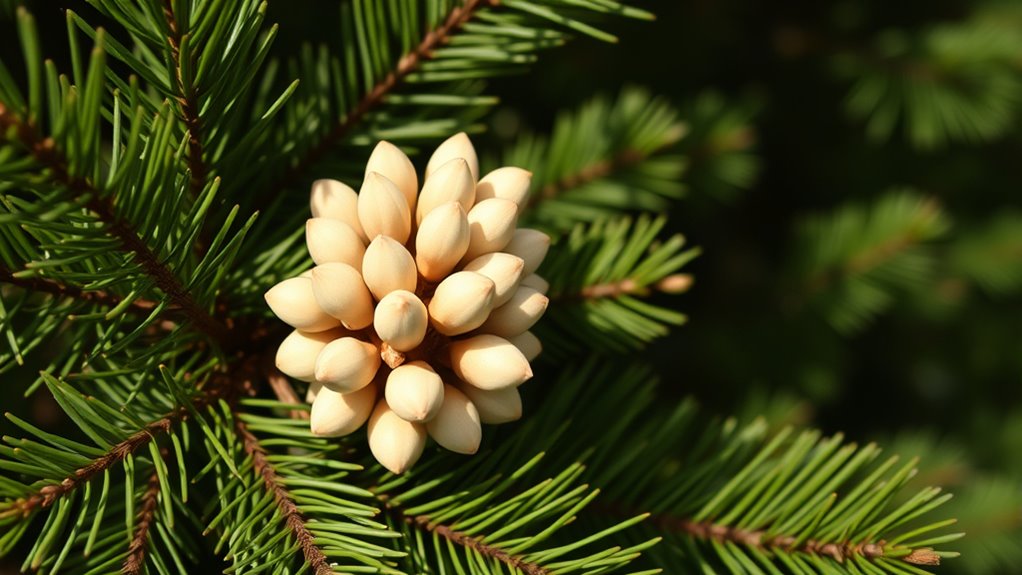

Many conifers produce edible seeds called pine nuts, including species like the Mediterranean stone pine (Pinus pinea), Korean pine (Pinus koraiensis), and piñon pines (Pinus edulis and Pinus monophylla). These trees grow in different regions and provide hearty, nutritious seeds that are harvested carefully to protect the environment. If you want to learn which specific conifers supply the best pine nuts and how they’re gathered sustainably, keep exploring further.

Get garden gear delivered free — and shop member deals
- Fast, free delivery on millions of items
- Access to Prime Big Deal Days deals on October 6–7
- Prime Video, Amazon Music and more included
Key Takeaways
- Edible pine nuts are seeds from certain species of pine trees, mainly within the Pinus genus.
- Not all pine species produce edible seeds; specific conifers like Pinus pinea (Stone Pine) are primary sources.
- Other edible pine nut-producing conifers include Pinus koraiensis (Korean Pine) and Pinus sibirica (Siberian Pine).
- The quality and flavor of pine nuts vary depending on the pine species and harvesting methods.
- Proper identification of conifers is essential to ensure the seeds are edible and suitable for consumption.
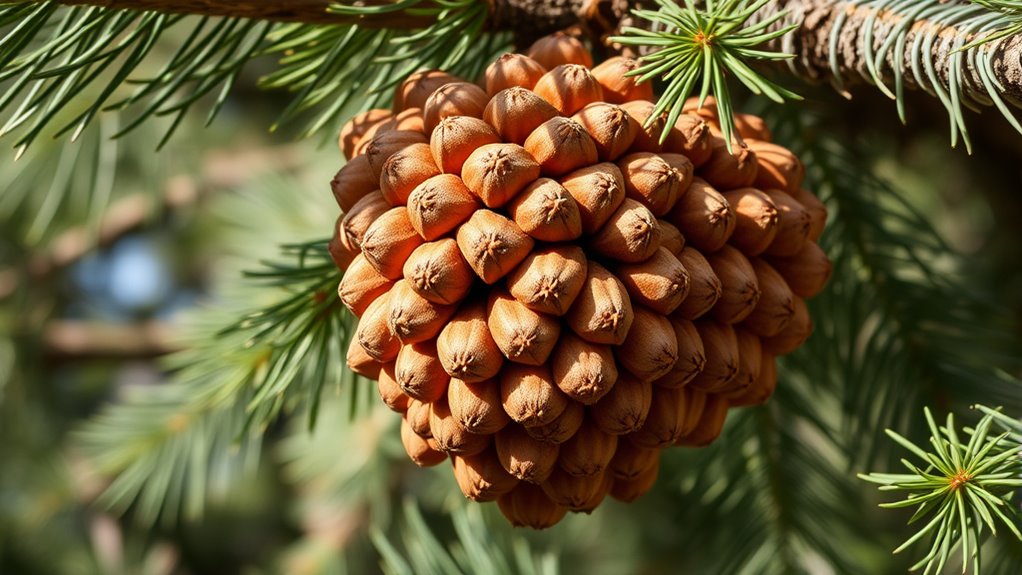
Pine nuts are small, flavorful seeds that come from pine cones and have been enjoyed for centuries around the world. If you’re seeking to understand their origins and access their potential, it’s essential to grasp how they’re harvested and the incredible nutritional benefits they offer. The process of harvesting these seeds isn’t just about collecting; it’s about connecting with nature and respecting the trees that give us this gift. You’ll find that harvesting techniques vary depending on the pine species, but generally, you or harvesters gather mature cones when they’re ripe—usually by tapping or shaking the trees or collecting fallen cones from the ground. Once collected, cones are dried in the sun or in controlled environments to loosen the seeds inside. You then extract the pine nuts through cracking the cones or by mechanical means, guaranteeing minimal damage to the seeds. This careful process preserves the quality of each nut, allowing you to enjoy their full flavor and nutritional prowess.
Understanding the importance of sustainable harvesting practices helps ensure that pine nut production remains environmentally responsible and that these valuable resources are preserved for future generations. Knowing how to harvest pine nuts correctly empowers you to access a rich, natural resource that’s not only delicious but also packed with health benefits. These tiny seeds are a powerhouse of nutrients—loaded with healthy fats, protein, vitamins, and minerals—that fuel your body and elevate your well-being. Their monounsaturated fats support heart health, while their antioxidants combat oxidative stress. The high vitamin E content nurtures your skin and immune system, and minerals like magnesium and zinc bolster your overall vitality. When you choose to harvest and consume pine nuts, you’re making a conscious decision to embrace a natural, nutrient-dense food that promotes vitality and independence. It’s a step towards self-sufficiency and liberation from processed, artificial options.
Furthermore, understanding these harvesting techniques allows you to appreciate the sustainability of pine nut production. Respecting the natural cycle of pine cones and harvesting responsibly guarantees that these trees continue to thrive, providing nourishment for generations to come. By engaging directly with the process, you reclaim control over your food sources, breaking free from dependency on mass-produced, packaged snacks. Pine nuts, when harvested with care, become a symbol of empowerment—your connection to nature’s bounty, harnessed by your own hands. So, whether you’re adding them to your meals or simply savoring their raw flavor, recognize that these tiny seeds carry a legacy of tradition, health, and independence—waiting for you to unlock their full potential.
As an affiliate, we earn on qualifying purchases.
Frequently Asked Questions
Are Pine Nuts Safe for People With Nut Allergies?
If you have a nut allergy, you should avoid pine nuts because of potential nut allergy risks. Even though they come from conifers, they can trigger reactions in sensitive individuals. Instead, explore alternative seed options like sunflower or pumpkin seeds, which often carry fewer allergy concerns. Always check labels and consult with your healthcare provider before trying new seeds, so you can enjoy your meals safely and with peace of mind.
How Are Pine Nuts Harvested From Conifers?
You harvest pine nuts by collecting seeds from conifers through careful seed collection and harvesting techniques. First, you wait until the cones mature and open naturally or lightly warm them to release seeds. Then, you gather the fallen or open cones, extract the seeds by shaking or cracking, and clean the pine nuts thoroughly. This process frees you from restrictions, giving you fresh, natural pine nuts straight from the conifers.
Can I Grow My Own Pine Nut Trees at Home?
You can absolutely grow your own pine nut trees at home, and it’s easier than you might think! With the right growing requirements—full sun, well-drained soil, and patience—you’ll soon be cultivating a forest of edible treasures. Tree cultivation allows you to break free from store-bought nuts and embrace nature’s bounty. Imagine harvesting your own pine nuts—your personal forest offering delicious abundance right at your fingertips!
What Is the Shelf Life of Pine Nuts?
You’ll find that pine nuts typically stay fresh for about 1 to 3 months if stored properly, but their storage duration can extend up to 6 months in the freezer. To preserve their freshness, keep them in an airtight container in a cool, dark place or freezer. Proper storage helps prevent rancidity and maintains their delicious flavor, giving you the freedom to enjoy their nutty taste longer.
Are All Pine Nuts Organic and Pesticide-Free?
Imagine breaking free from a garden of hidden chemicals—most pine nuts aren’t organically certified, and pesticide use varies. While some brands offer organic, pesticide-free options, many aren’t guaranteed free from pesticides. To truly liberate your choices, seek out certified organic pine nuts, ensuring they’re grown without harmful chemicals. Your power lies in reading labels and choosing brands committed to organic standards, so you can enjoy pine nuts with peace of mind.
Conclusion
While harvesting pine nuts might seem tricky or time-consuming, the rewards are worth it. Many conifers produce edible seeds, and with a little patience, you can enjoy fresh, natural snacks straight from nature. Don’t let the effort discourage you—harvesting your own pine nuts offers a unique connection to the forest and guarantees you get high-quality, flavorful seeds. Once you’ve tried it, you’ll appreciate the process and the delicious results even more.
Fall yard work Picks
leaf blowers
As an affiliate, we earn on qualifying purchases.