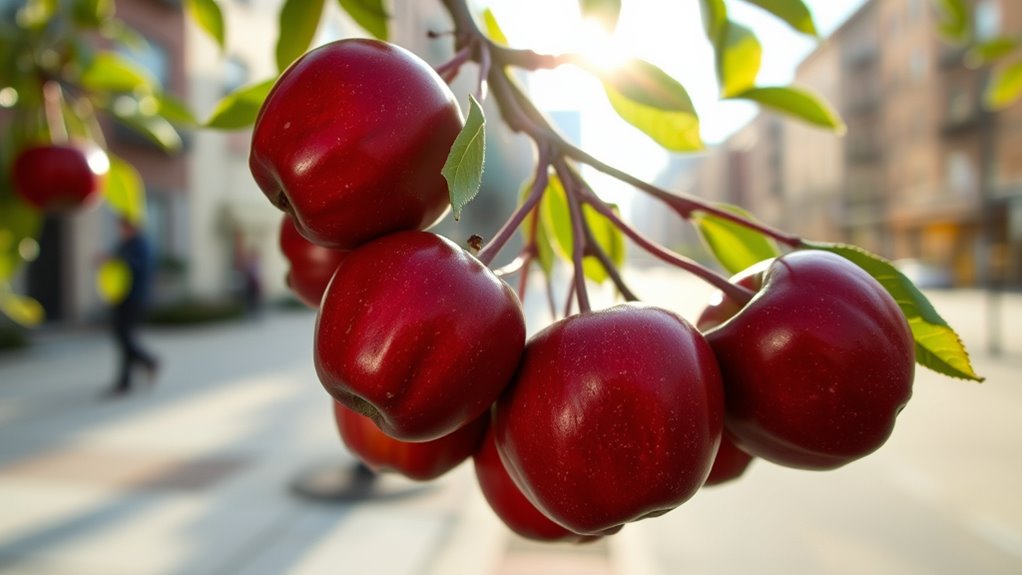

Crabapples thrive in urban environments, offering a wild and sustainable foraging opportunity right in your backyard or local parks. These tart, flavorful fruits are packed with natural pectin, making them ideal for homemade jams, jellies, and sauces without additives. By harvesting ripe crabapples, you connect with nature and harness their power for preserving food naturally. Keep exploring, and you’ll uncover tips to maximize flavor, color, and nutritional benefits from these resilient fruits.

Get garden gear delivered free with Prime
- Fast, free delivery on millions of items
- Prime Video, Amazon Music and more included
- Member-only deals all year
Key Takeaways
- Urban foraging of crabapples promotes food sovereignty and ecological awareness in neglected orchards and wild areas.
- Crabapples are rich in natural pectin, ideal for making jams and jellies without commercial additives.
- Harvesting ripe, firm crabapples enhances flavor, nutritional value, and natural pectin content for preserving.
- Wild crabapples offer diverse flavors and textures, encouraging experimentation in culinary uses like sauces and ciders.
- Recognizing color and presentation in homemade preserves boosts visual appeal and appreciation of wild, rustic foods.
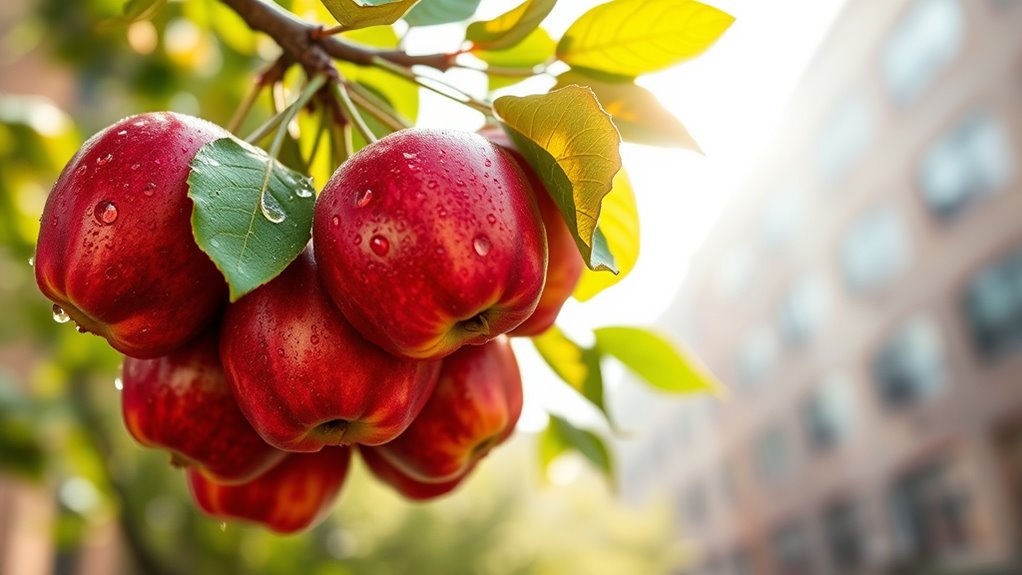
Crabapples are a versatile and often overlooked wild food that foragers can easily find in many orchards and natural areas. When you embrace wild harvesting, you unlock a treasure trove of flavors and nutritional benefits that mainstream markets rarely offer. These tiny fruits pack a punch of flavor profiles that range from tart and tangy to subtly sweet, giving you the freedom to experiment with different culinary creations. Instead of relying on store-bought options, you take control of your food sources, celebrating the raw power of nature and resisting the industrialized food system.
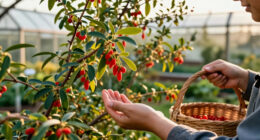
As you venture into urban or rural landscapes, you’ll notice crabapples growing abundantly in neglected orchards, along fences, and in wild thickets. Harvesting these fruits means reconnecting with the land and reclaiming your food sovereignty. You don’t need perfect specimens—just ripe, firm fruit. Picking crabapples at their peak ripeness ensures maximum flavor and pectin content, which is essential for making jams, jellies, and preserves. Wild harvesting encourages you to pay attention to the subtle differences in flavor profiles from tree to tree, season to season, giving you a deeper appreciation for the natural variability and resilience of these fruits.
The tartness of many crabapples makes them perfect for making vibrant, tangy preserves that burst with flavor. Their high pectin levels mean you can create thick jams without added commercial pectin, embracing a more natural, self-sufficient approach. When you process crabapples, you’re tapping into their natural power—transforming these wild fruits into something greater than the sum of their parts. You can blend their sharp acidity with sweeteners or herbs to craft unique sauces, ciders, or infusions that celebrate your independence from conventional grocery store offerings. Recognizing the importance of color accuracy in food presentation can also enhance the visual appeal of your homemade preserves, making them even more inviting.
As an affiliate, we earn on qualifying purchases.
Frequently Asked Questions
Are Crabapples Safe to Eat Raw?
You shouldn’t eat crabapples raw without taste testing first, because some varieties can be poisonous. While many are tart but safe, others contain toxins that make them dangerous. To liberate your palate, try a small piece first—if it tastes bitter or off, discard it immediately. Always identify the variety, and remember that not all crabapples are meant for raw snacking. Safety first, then enjoy their natural, urban foraged power.
How Can I Identify Edible Crabapple Varieties?
You can identify edible crabapple varieties by examining their appearance and growth habits. Look for small, round fruits with a bright color like red or yellow, and check the tree’s leaves—crabapples often have serrated edges. Use identification tips like noting the mature size, blossom color, and fruit texture. Trust your senses and explore different varieties confidently; many are safe and delicious for foraging, revealing nature’s hidden bounty.
What Are the Best Tools for Foraging Crabapples?
For foraging crabapples, you’ll want sharp scissors or pruning shears to harvest without damage, and a sturdy basket or bag to carry your finds effortlessly. A small, pocket-sized foraging knife helps when you need precision, while gloves protect your hands from thorns and sap. Remember to follow foraging tips—stay alert, respect property, and only pick what’s abundant—to enjoy wild bounty freely and responsibly.
Can Crabapples Be Used in Savory Dishes?
Yes, you can turn crabapples into a symphony of savory flavor pairings. They add a bright, tangy twist to dishes like pork, duck, or roasted vegetables, transforming your plate into a culinary adventure. Think beyond sweet crabapple recipes—embrace their bold acidity to elevate sauces, chutneys, and salsas. Release your kitchen’s wild spirit and craft dishes that challenge tradition, celebrating the vibrant, untamed essence of crabapples in savory creations.
How Do I Store Harvested Crabapples Effectively?
You should store your harvested crabapples using seasonal storage methods. Keep them in a cool, dark place or refrigerate them, ensuring proper refrigeration techniques like placing them in perforated plastic bags or breathable containers. This prevents spoilage and maintains freshness. By doing this, you’re embracing the freedom to enjoy your foraged bounty whenever you want, without worry about quick spoilage, giving you control over your urban harvest.
Conclusion
Think of crabapples as hidden treasure chests in your urban jungle, waiting to be opened. By foraging responsibly, you become a modern explorer, uncovering nature’s small but mighty gifts. Just like a skilled alchemist transforms humble ingredients into golden elixirs, you can turn these tiny fruits into nourishing pectin-rich jams and jellies. Embrace the adventure, and let each crabapple be a reminder that sometimes, the greatest treasures are right in your own backyard.
Fall yard work Picks
leaf blowers
As an affiliate, we earn on qualifying purchases.