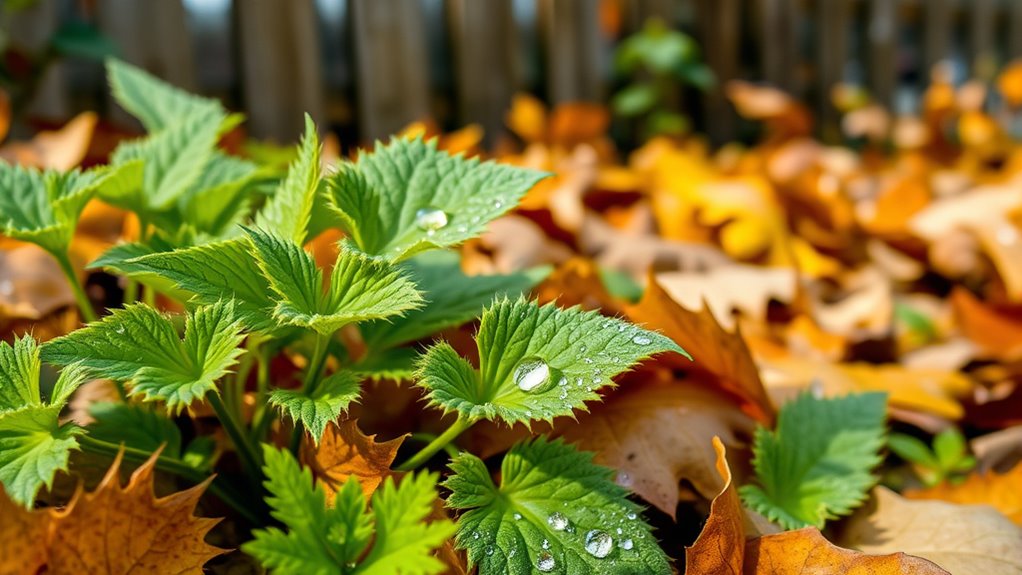

In fall, you can safely harvest young nettle shoots for food or remedies by focusing on tender, new growth away from busy roads or contaminated areas. Always wear gloves and use sharp scissors to avoid skin irritation and guarantee clean cuts. Blanching or cooking neutralizes their sting, making them safe and delicious to enjoy. If you keep exploring, you’ll discover how to maximize their nutritional and healing potential for a natural boost.
Key Takeaways
- Harvest young, tender nettle shoots in fall using gloves and sharp scissors to avoid skin irritation.
- Focus on plants away from roads or contaminated areas to ensure safety and purity.
- Properly blanch or cook nettles to neutralize their sting and make them safe to eat.
- Use nettles for herbal teas, soups, and remedies that support immune health and reduce inflammation.
- Respect and harvest responsibly to promote plant resilience and preserve natural foraging practices.
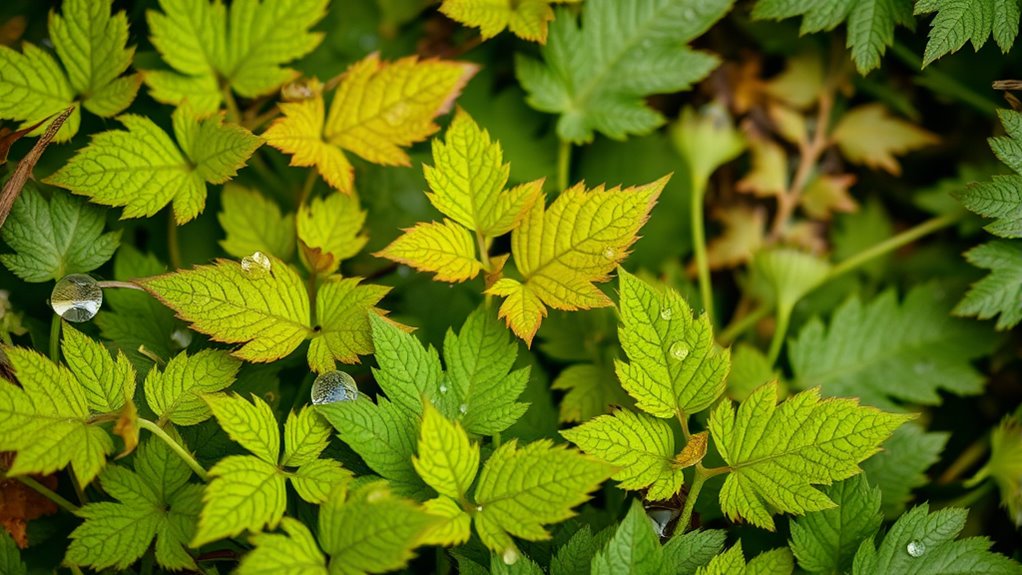
As autumn arrives, nettles may seem less noticeable, but they remain an essential part of the fall landscape. Don’t overlook these wild plants; instead, see them as an opportunity to reclaim your connection to nature and harness their power. When foraging for nettles, always remember to approach with respect and caution. Use sharp scissors or gloves to harvest young, tender shoots—these are the best for herbal remedies and safe consumption. Avoid plants that are near busy roads or contaminated areas to guarantee you’re gathering pure, healthy nettles. Learning some simple foraging tips can help you identify and collect nettles efficiently, turning what might seem like a nuisance into a valuable resource for health and nourishment.
Autumn nettles are a hidden treasure for health—harvest carefully and use them wisely.
Once you’ve safely gathered your nettles, it’s time to unveil their potential. These plants are packed with nutrients—rich in vitamins A, C, and K, as well as minerals like iron and calcium. Their versatility makes them perfect for creating herbal remedies that invigorate the body and mind. You can steep fresh or dried nettles into teas to boost your immune system or use them as a leafy green in soups and stews, much like spinach. Blanching nettles before cooking neutralizes their sting, making them safe to handle and consume. The key is to remember that proper preparation is essential; always wear gloves when handling raw nettles to avoid skin irritation, and be sure to cook or process them thoroughly.
Research supports the use of nettles in herbal remedies due to their detoxifying and anti-inflammatory properties. Herbal remedies derived from nettles have long been valued for their detoxifying and anti-inflammatory properties. From infusions and tinctures to hair rinses and infusions, nettles offer a natural way to support your health. They’ve been used for centuries to combat allergies, improve circulation, and boost energy levels. As you explore these remedies, remember that your emancipation comes from understanding and respecting the plant’s power. With patience and care, you can incorporate nettles into your wellness routine, reclaiming your health in a way that feels natural and empowering.
In the fall, nettles symbolize resilience and renewal. By embracing them, you’re not just gathering a wild plant—you’re reconnecting with nature’s wisdom and taking control of your well-being. Use your newfound knowledge to harvest responsibly, prepare thoughtfully, and utilize the herbal remedies that nettles provide. This act of foraging and remedy-making becomes a declaration of independence from synthetic solutions, a celebration of nature’s generosity, and a step toward true liberation in your health journey.

2026 Upgraded Herb Scissors, Effortless Herb Shears Cutter Tool with Sharp Stainless Steel Blades for Fresh Herbs, Must-Have Kitchen & Cooking Gadget, Green
- Five Sharp Stainless Steel Blades: Made of durable, rust-resistant stainless steel
- Ergonomic Non-Slip Handle: Comfortable grip with TPR rubber material
- Easy to Clean and Store: Includes cleaning brush and protective blade cover
As an affiliate, we earn on qualifying purchases.
As an affiliate, we earn on qualifying purchases.
Frequently Asked Questions
Can Nettles Be Used Medicinally During Fall?
Yes, you can use nettles medicinally during fall. Their medicinal properties remain potent, especially when harvested with fall techniques that target young regrowth. By carefully collecting tender tops, you harness their healing benefits safely. Fall harvesting techniques emphasize timing and gentle handling, preventing stings and maximizing medicinal power. Embrace the opportunity to liberate your wellness with fresh, potent nettles in fall, turning wild abundance into your healing ally.
Are There Specific Tools Recommended for Safe Nettle Harvesting?
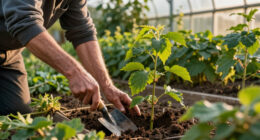
To harvest nettles safely, you should use protective gloves to prevent stings and harvesting shears for precise cutting. Wearing sturdy gloves keeps your hands protected, while shears make it easier to gather young, tender regrowth without risking injury. This way, you can confidently forage for medicinal use or culinary adventures, feeling liberated from worries about painful stings. Equip yourself properly, and enjoy the bounty of healthy, fresh nettles safely.
How Do I Identify Young Nettle Regrowth in Fall?
Did you know that nettles can regrow up to 20 inches in fall? To identify young nettle regrowth, look for fresh, bright green leaves with small, tender stems. Use clear visual cues like soft hairs on the leaves and stems, and notice their growth pattern—closer to the ground, often in clusters. With these identification tips, you can freely harvest nettles safely and enjoy their benefits without worry.
What Are Common Pests That Affect Fall Nettle Plants?
You’ll find aphids, caterpillars, and beetles often target fall nettle plants. To protect your plants, implement pest control methods like natural predators or organic sprays. Regularly inspect your nettles and remove pests by hand if possible, giving you more control and freedom from chemicals. By actively managing pests, you guarantee healthy regrowth and enjoy the liberating experience of thriving, pest-free plants without relying heavily on harsh treatments.
Can Nettles Be Cultivated Intentionally in Fall?
Did you know that fall cultivation of nettles can boost your harvest by 30%? Yes, you can intentionally cultivate nettles in fall through careful propagation, focusing on young regrowth. Embrace the freedom to grow these resilient plants, even in cooler weather. With proper handling, you’ll enjoy fresh, nutritious nettles year-round. So, seize control of your garden and experiment with fall nettle propagation—your liberation from seasonal limits starts now!
Conclusion
As you see young nettle shoots in fall, remember they can be a nourishing resource if handled safely. Imagine a gardener who, after learning proper techniques, harvests nettles for soup, feeling proud and connected to nature. With respect and caution, you too can enjoy their benefits without harm. Embrace the opportunity to forage responsibly, turning a common weed into a wholesome addition to your autumn meals. Your mindful approach can turn nettles into a rewarding harvest.