
A foraging safety kit should include essentials like a first aid kit with bandages, antiseptic wipes, tweezers, and scissors to treat cuts and splinters quickly. Carry antihistamines and hydrocortisone cream to handle allergic reactions, and a waterproof ID card with your emergency contacts and medical info. A whistle helps summon help if needed, while a charged portable charger keeps your phone powered. Staying prepared boosts your safety; learn more to forage confidently.

Get garden gear delivered free with Prime
- Fast, free delivery on millions of items
- Prime Video, Amazon Music and more included
- Member-only deals all year
Key Takeaways
- Include antihistamines and hydrocortisone cream to manage allergic reactions from poisonous plants or insect bites.
- Carry a compact, well-stocked first aid kit with bandages, antiseptic wipes, tweezers, and scissors for injuries.
- Bring a charged portable charger to ensure your phone stays functional for emergency calls and navigation.
- Use a whistle to signal for help if you encounter danger or become lost in the wilderness.
- Carry a waterproof ID bracelet or card with emergency contacts and medical info for quick reference during crises.
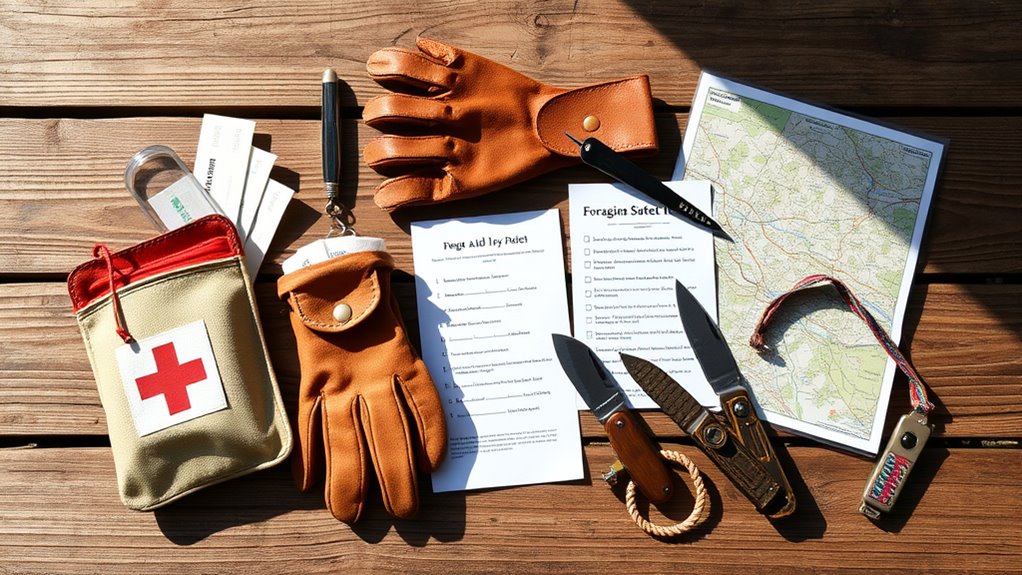
When you venture into the wild to forage, having a well-equipped safety kit is indispensable to protect yourself from potential hazards. Nature offers incredible bounty, but it also presents risks—especially from poisonous plants and unforeseen emergencies. Your safety kit is your first line of defense, empowering you to navigate the wild confidently and securely. One of the most important components is knowledge of poisonous plants. Familiarize yourself with common offenders like poison ivy, poison oak, and poison sumac. Carry a field guide or app that helps you identify these plants quickly. If you accidentally brush against or ingest a poisonous plant, swift action is crucial. Your safety kit should include antihistamines and hydrocortisone cream to ease allergic reactions, but most importantly, it should contain clear instructions for treatment. Recognizing the symptoms early can prevent serious complications, so stay alert and informed.
Equally essential is having your emergency contacts readily accessible. Before heading out, program your phone with local emergency numbers, and share your itinerary with a trusted friend or family member. Carry a waterproof ID bracelet or card that lists emergency contacts and any allergies or medical conditions. In case of an accident or sudden illness, quick access to this information can be life-saving. Your safety kit should also include a charged portable charger to keep your phone operational, ensuring your emergency contacts are always within reach. Remember, the wild is freeing, but it demands responsibility. Don’t rely solely on luck—prepare for the unexpected. Being aware of toxic plant risks can further enhance your safety while foraging.
A compact first aid kit is indispensable. It should contain bandages, antiseptic wipes, tweezers, and scissors to handle cuts, splinters, or scrapes. In the event of a more serious injury, knowing how to use these tools swiftly can make a difference. Always carry a whistle to signal for help if needed. When you’re out foraging, keeping your safety kit organized and updated ensures you’re ready to respond at a moment’s notice. Poisonous plants may lurk unnoticed, and emergencies can strike without warning. By integrating knowledge about these hazards with practical tools like emergency contacts and first aid supplies, you gain the freedom to explore with confidence. Your safety kit isn’t just gear; it’s your shield, your reassurance, and your ticket to liberation in the wild.
compact first aid kit for outdoor activities
As an affiliate, we earn on qualifying purchases.
As an affiliate, we earn on qualifying purchases.
Frequently Asked Questions
How Often Should I Update My Foraging Safety Kit?
You should update your foraging safety kit seasonally and whenever you notice gear wear or damage. Regular seasonal updates keep your kit aligned with changing weather and plant conditions, ensuring you’re always prepared. Replace worn-out or expired items promptly to stay safe and confident in the wild. By staying proactive with gear replacement and updates, you embrace your freedom to explore nature safely and without worries.
Are There Specific Brands Recommended for Safety Gear?
Did you know that 85% of outdoor enthusiasts prioritize gear durability? When choosing safety gear, stick to trusted brands like North Face, Patagonia, or Columbia for reliable, durable equipment. These brands offer gear that withstands tough conditions, giving you the freedom to explore boldly without worry. Investing in quality gear ensures safety and releases your wild side, so don’t compromise—choose brands that empower your foraging adventures.
Can I Customize My Safety Kit for Different Environments?
Absolutely, you can personalize your safety kit for different environments. By incorporating personalized gear, you adapt your kit to suit specific conditions, giving you greater freedom and confidence. Think lightweight tools for dense forests or waterproof items for wet areas. Adjusting your safety gear for environmental adaptations guarantees you’re prepared for any terrain, empowering you to explore freely and safely, knowing you’ve got the right tools tailored just for your adventures.
What First Aid Supplies Are Essential for Foraging Accidents?
You should carry essentials like antiseptic wipes, adhesive bandages, and tweezers to treat cuts and splinters from poisonous plants or wildlife encounters. Include antihistamines for allergic reactions and a small scissors for trimming. Being prepared helps you stay safe and confident, so you can enjoy your foraging adventures freely. Always carry a detailed first aid guide and know how to use your supplies to handle any unexpected situation confidently.
How Do I Carry My Safety Kit During Foraging Trips?
You should carry your safety kit in a lightweight, durable backpack or belt pouch, making it easy to access and freeing your hands. Use secure safety gear storage to keep supplies organized and protected from the elements. Opt for a method that allows freedom of movement, so you can explore confidently while staying prepared. Prioritize comfort and accessibility, ensuring your safety kit never hinders your connection with nature.
Conclusion
Just like Odysseus prepared his crew for every twist and turn, assembling your foraging safety kit guarantees you’re ready for anything. With the right tools in hand, you can navigate the wilderness confidently, avoiding pitfalls and hazards. Remember, safety isn’t just about survival—it’s about respecting nature’s surprises and honoring your journey. Equip yourself wisely, and you’ll be as prepared as a seasoned explorer, ready to embrace the wild with confidence and care.
Fall yard work Picks
leaf blowers
As an affiliate, we earn on qualifying purchases.