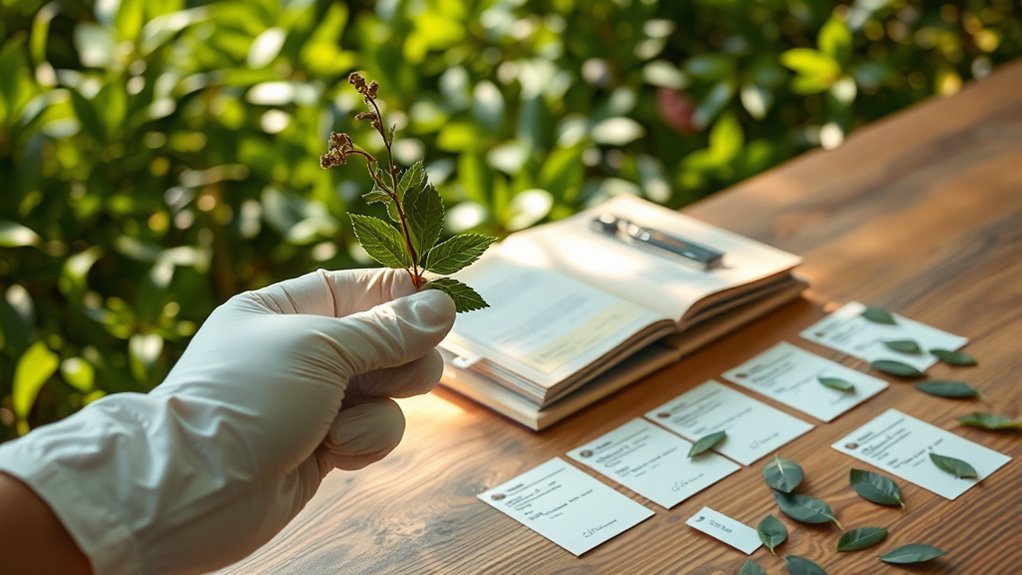
To contribute valuable herbarium vouchers to citizen science projects, you should collect specimens during the plant’s full bloom or fruiting stages. This is when key features like flowers and fruits are visible, helping with accurate identification. Timing is essential, so avoid collecting when plants are out of season or just starting to grow. If you continue exploring, you’ll find more tips on making your contributions even more impactful.

Get garden gear delivered free with Prime
- Fast, free delivery on millions of items
- Prime Video, Amazon Music and more included
- Member-only deals all year
Key Takeaways
- Collect herbarium vouchers during peak flowering or fruiting stages for accurate identification.
- Time your collection to when key features like flowers and fruits are fully developed.
- Avoid collecting outside of the plant’s natural growing season to ensure specimen usefulness.
- Document the precise date, habitat, and environmental conditions during collection.
- Respect conservation guidelines by avoiding protected species and minimizing ecological disturbance.
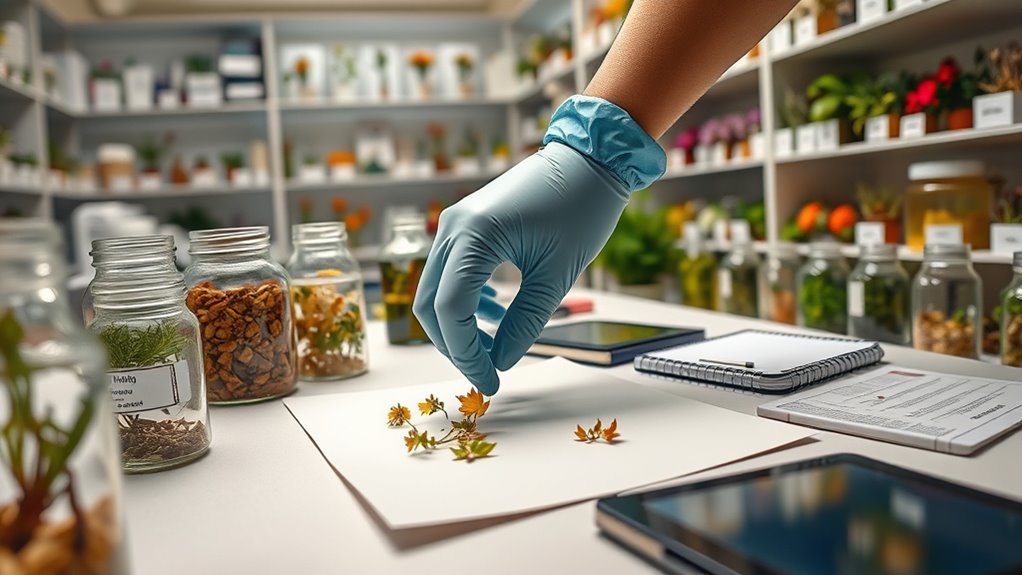
Herbarium vouchers play a pivotal role in advancing citizen science by providing verifiable records of plant species. When you collect a herbarium voucher, you’re not just gathering a pressed plant; you’re creating a essential piece of evidence that helps others with plant identification and builds a shared database of knowledge. These vouchers serve as proof of what species grow in a particular area, making your contributions indispensable for scientific accuracy and ecological understanding. By sharing your data, you help build a collective resource that anyone interested in plant diversity can access and trust. This process empowers you to participate actively in the scientific community, breaking down barriers and promoting open collaboration. Ensuring your voucher is properly documented with detailed notes enhances its usefulness for future research. Knowing when to collect a herbarium voucher is key to making your efforts effective. The best time to gather a specimen is when the plant is in full bloom or fruiting, as these features are essential for accurate plant identification. Collecting during these periods ensures that your voucher captures the plant’s defining characteristics, which are crucial for future reference. Avoid harvesting when plants are out of season or when they’re at an early growth stage, as these specimens can be harder to identify and less useful for data sharing. Timing your collection carefully guarantees that your contribution is precise and invaluable for ongoing research and conservation efforts. Another important aspect to consider is the environment in which you’re collecting. Be respectful of local ecosystems and avoid disturbing rare or protected species. Fieldwork should be guided by conservation principles, ensuring that your efforts support plant preservation rather than harm it. When you do collect, take note of the habitat, location, and environmental conditions. These details add context to your voucher and enrich the data shared with the broader community. Your observations help paint a clearer picture of plant distributions and ecological preferences, fostering a deeper understanding of plant diversity and aiding conservation initiatives. Vetted
As an affiliate, we earn on qualifying purchases.
Frequently Asked Questions
How Do I Properly Label and Store Herbarium Voucher Specimens?
You should carefully plant, label, your specimens with detailed information like date, location, and plant name for accurate plant labeling. To guarantee specimen preservation, press your plant flat and dry it thoroughly before storing. Use acid-free paper and airtight containers to protect your voucher. Label storage containers clearly, keep them in a cool, dry place, and handle everything gently to maintain your specimens’ integrity and facilitate future study.
What Legal Considerations Should I Be Aware of When Collecting Plants?
Remember, “Know the rules to break them wisely.” When collecting plants, make sure you have the proper plant collection permits and respect private property rights. Skipping permits can lead to legal trouble, and trespassing violates rights and risks fines. You’re free to explore and learn, but always verify laws first. Doing so lets you gather specimens responsibly, empowering your passion without unnecessary constraints.
How Can Citizen Scientists Ensure Accurate Plant Identification?
You can guarantee accurate plant identification by using plant DNA analysis when possible, which provides precise results. Always record geographic data accurately to help verify your findings and contribute valuable context. Embrace the freedom to explore and learn, knowing your meticulous documentation and modern techniques empower citizen scientists to make meaningful contributions. Your passion fuels discovery, and thorough methods ensure your efforts are reliable and impactful.
Are There Specific Times of Year Best for Collecting Certain Plants?
Seize the season to succeed in seasonal plant collection! The best time for collecting varies—spring blossoms, summer’s lushness, autumn’s abundance, or winter’s wit. Identify ideal sampling times by observing plant life cycles, flowering periods, and fruiting times. By timing your collection precisely, you discover nature’s secrets, empowering your exploration and empowering your environmental enthusiasm. Embrace the ebb and flow of seasons, and let your curiosity conquer every botanical challenge!
What Equipment Is Necessary for Collecting and Pressing Plant Specimens?
You need a plant press and a collection kit to collect and press specimens effectively. Your collection kit should include scissors, a small knife, paper, and labels for identification. Use the plant press to gently flatten and preserve your plants, ensuring they stay intact and well-dried. This equipment empowers you to document and share plant diversity, freeing your curiosity and passion for nature’s wonders with confidence and purpose.
Conclusion
Think of herbarium vouchers as the footprints of explorers, capturing each step of discovery. When you collect during citizen science projects, you’re leaving a trail for future botanists to follow, much like a lighthouse guiding ships through fog. By knowing when to collect, you guarantee your contributions shine brightly, illuminating the way for others. Embrace this responsibility, and your efforts will become a lasting legacy—an enduring snapshot in the grand tapestry of nature’s story.
Fall yard work Picks
leaf blowers
As an affiliate, we earn on qualifying purchases.