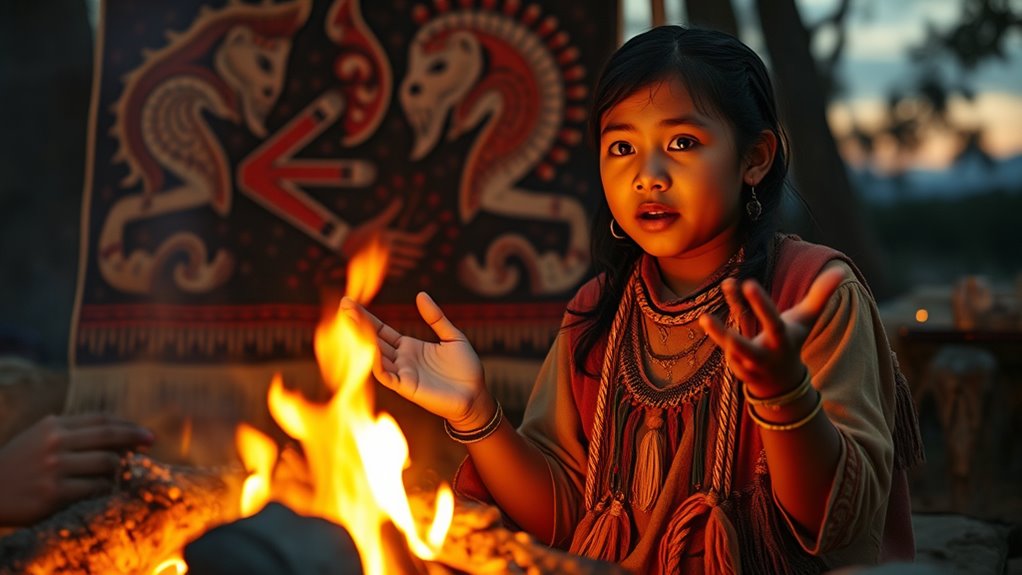
Indigenous stories of tooth spirits highlight the deep cultural belief that losing a tooth isn’t just biological but a sacred passage. These stories often symbolize spiritual growth, resilience, and a connection to ancestors, viewing tooth loss as a meaningful passage rather than a loss. The spirits embody respect for the body and natural cycles, emphasizing renewal and cultural continuity. Exploring these stories further reveals the rich traditions that reinforce identity and resilience across generations.
Key Takeaways
- Tooth spirits symbolize spiritual growth, ancestral connections, and resilience, embodying respect for the body and natural life cycles.
- Losing a tooth is seen as a sacred passage inviting ancestral spirits to guide personal journeys and spiritual transformation.
- Oral traditions transform tooth loss into culturally significant acts that reinforce identity, resilience, and cultural continuity.
- Stories of tooth spirits celebrate life’s ongoing cycle, emphasizing renewal, personal empowerment, and honoring cultural roots.
- These narratives foster community bonds, encouraging reverence for natural transitions and serving as tools for cultural resilience.
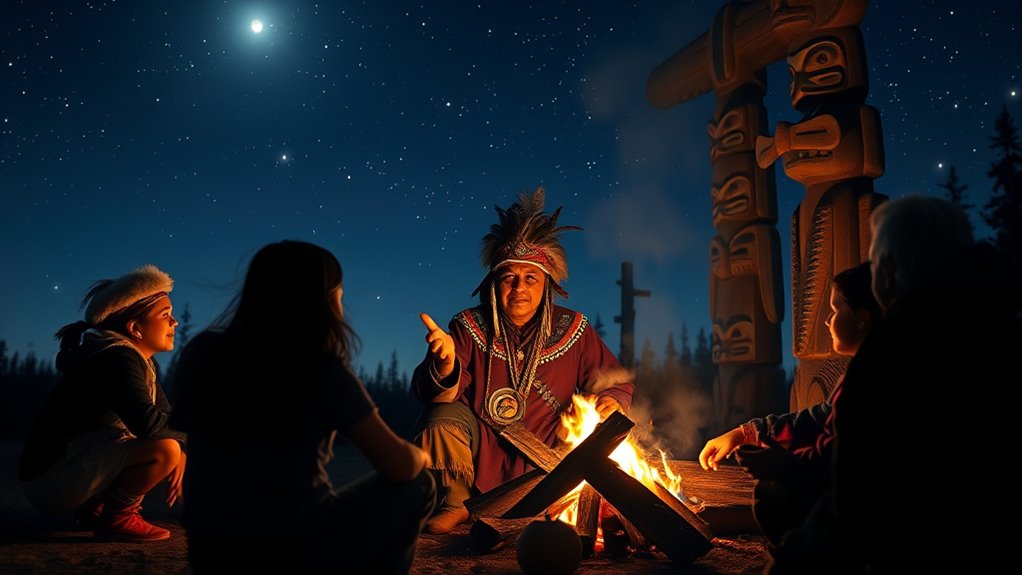
Have you ever wondered how different cultures interpret the loss of a tooth? It’s more than just a physical event; it’s woven into the fabric of cultural symbolism and oral traditions that shape collective identities. For many indigenous communities, losing a tooth isn’t simply a biological milestone—it’s a meaningful moment infused with spiritual significance. These stories often serve to reinforce values, connect individuals with their ancestors, and honor the natural cycle of life and death. By understanding these narratives, you can begin to see how oral traditions act as living repositories of cultural wisdom, passing down lessons from generation to generation with reverence and significance.
Losing a tooth symbolizes spiritual growth, ancestral connection, and cultural resilience across indigenous traditions.
In numerous indigenous cultures, tooth spirits are more than myth—they embody a deep respect for the body and nature’s sacred balance. These stories often portray teeth as vessels of personal power, symbols of growth and passage, or gateways to spiritual domains. For example, some communities believe that when a child loses a tooth, it’s a sacred rite that invites ancestral spirits to guide their journey. These oral traditions serve as a bridge between the physical and spiritual worlds, reminding individuals of their place within a larger cosmos. They emphasize that the loss of a tooth isn’t just an end but a beginning—an opportunity to connect with ancestral wisdom and embrace transformation. Additionally, some cultural narratives incorporate the idea that teeth hold spiritual significance, which reinforces their importance beyond the physical aspect of losing a tooth.
Cultural symbolism plays an essential role in these stories, transforming a personal experience into a collective act of cultural preservation. When elders recount tales of tooth spirits, they’re not just sharing folklore; they’re reinforcing identity, resilience, and continuity. These narratives often include lessons about respect for the body, gratitude for natural processes, and the importance of honoring one’s roots. By maintaining these oral traditions, indigenous communities resist cultural erasure, asserting their sovereignty through stories that nourish the spirit and affirm their unique worldviews.
As you explore these indigenous stories of tooth spirits, remember that they’re more than tales—they’re powerful expressions of liberation from oppressive histories. They invite you to see the loss of a tooth not as a diminishment but as a sacred passage, an act rooted in cultural symbolism that celebrates life’s ongoing cycle. Through oral traditions, these communities preserve their history, wisdom, and identity, empowering individuals to honor their bodies and heritage while embracing their journey of growth and renewal. In this way, stories of tooth spirits serve as a tribute to resilience and the enduring power of cultural expression, inspiring you to reconnect with your own roots and embrace the symbolic significance of life’s natural transitions.
Top picks for "indigenou story tooth"
Open Amazon search results for this keyword.
As an affiliate, we earn on qualifying purchases.
Frequently Asked Questions
How Do Different Indigenous Cultures Perceive Tooth Spirits?
You see, different indigenous cultures perceive tooth spirits as essential parts of their oral traditions and shamanic practices. These spirits are often seen as protectors or messengers, guiding individuals through life and healing. By honoring these spirits, you embrace a deep connection to ancestral wisdom, empowering you to challenge modern beliefs and foster spiritual liberation. Recognize the diverse ways these cultures respect and communicate with tooth spirits to deepen your understanding and respect.
Are There Specific Rituals Associated With Tooth Spirits in Indigenous Traditions?
Yes, in many indigenous traditions, rituals ceremonies honor tooth spirits through sacred offerings and specific practices. You might participate in ceremonies that include offering symbolic items or prayers to show respect and seek protection or guidance from these spirits. These rituals serve to connect you with the spiritual world, empowering you to embrace your roots and reclaim your cultural identity. By engaging in these sacred acts, you celebrate your heritage and foster spiritual liberation.
What Lessons Do Indigenous Stories About Tooth Spirits Teach?
You learn that stories about tooth spirits teach you about respecting cultural symbolism and moral lessons. For example, a tale may warn you to value honesty and kindness, as neglecting these virtues can lead to loss or imbalance. These stories empower you to embrace your heritage, understand life’s deeper meanings, and seek personal growth through respect and moral integrity, helping you connect with your roots and live authentically.
How Do Indigenous Stories About Tooth Spirits Compare to Other Mythologies?
You’ll find that indigenous stories about tooth spirits highlight unique symbolism in myths, often emphasizing respect for nature and spiritual connections. Compared to other mythologies, these stories reflect cultural variations centered on community, healing, and reverence for ancestors. They empower you to see how diverse beliefs shape understanding, inspiring liberation from rigid norms by embracing the rich spiritual tapestry that different cultures offer, fostering a deeper appreciation for cultural diversity.
Can Knowledge of Tooth Spirits Be Shared Respectfully With Outsiders?
Did you know that nearly 85% of Indigenous communities emphasize the importance of cultural sensitivity when sharing knowledge? You can share knowledge of tooth spirits respectfully with outsiders by prioritizing cultural sensitivity and seeking permission from community elders. Embrace an empowering approach to knowledge sharing, honoring traditions while fostering understanding. Remember, respecting cultural boundaries not only enriches dialogue but also supports Indigenous sovereignty and liberation.
Conclusion
As you carry these stories in your heart, remember they’re like delicate threads weaving the fabric of Indigenous culture. The tooth spirits whisper ancient wisdom, guiding you through life’s twists and turns. Honoring these tales is like tending a sacred fire—keeping it alive with respect and care. So, let their stories shine like stars in your mind, reminding you that every tooth and tradition holds a universe of meaning waiting to be explored.