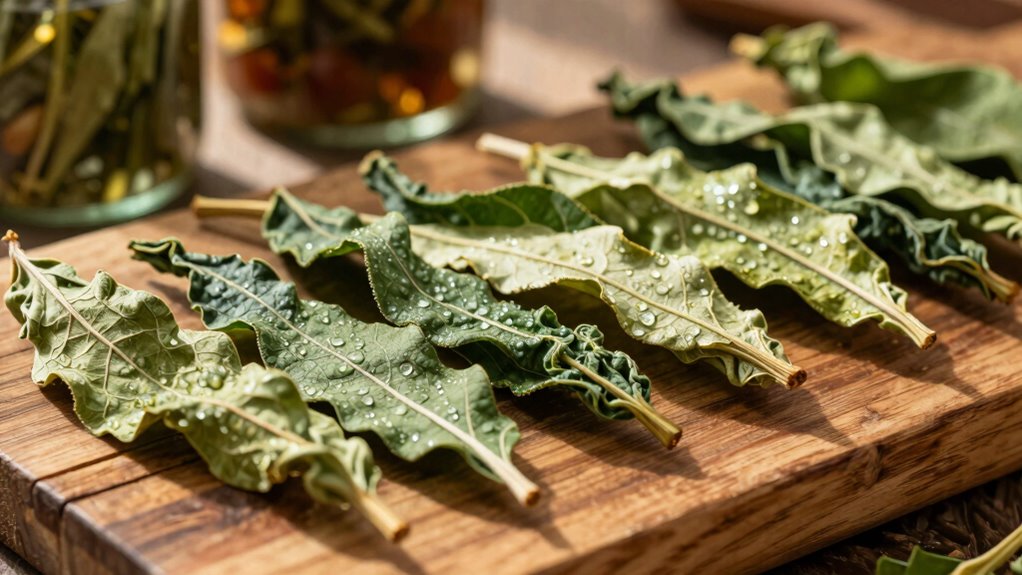

Drying remains one of the smartest preservation methods because it extends your food’s shelf life while using minimal energy and resources. By removing moisture, you inhibit bacteria, mold, and spoilage, making your food safer and last longer. It’s simple, eco-friendly, and cost-effective — perfect for outdoor activities and emergencies. Plus, you get concentrated flavors and unique textures. If you want to discover how traditional techniques blend with modern innovations, there’s more to explore below.

Get garden gear delivered free with Prime
- Fast, free delivery on millions of items
- Prime Video, Amazon Music and more included
- Member-only deals all year
Key Takeaways
- Drying effectively halts microbial activity by removing moisture, ensuring long-term food preservation.
- It is eco-friendly, requiring minimal energy compared to refrigeration or freezing.
- Dried foods are lightweight, portable, and ideal for outdoor activities or emergencies.
- Traditional and modern methods preserve flavor and nutrients while reducing food waste.
- Drying remains simple, reliable, and adaptable, making it a sustainable preservation choice across eras.
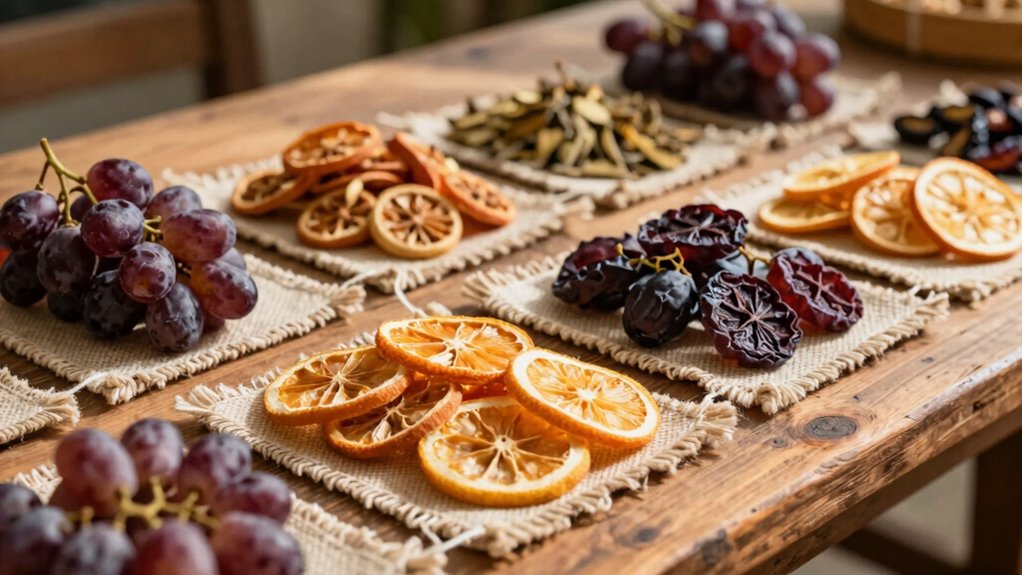
Have you ever wondered how people long ago kept their food fresh without refrigeration? Long before modern appliances, they relied on clever techniques rooted in necessity and ingenuity. Historical techniques like sun drying, smoking, and air drying allowed them to preserve fruits, vegetables, meats, and fish for months or even years. These methods used natural resources—sunlight, wind, and smoke—to eliminate moisture, which is essential for bacteria and mold growth. By reducing water content, they slowed down spoilage, making food safe for extended storage. These traditional practices laid the foundation for what we now consider drying as a preservation method.
Ancient food preservation relied on natural methods like sun drying, smoking, and air drying to prevent spoilage.
Fast forward to today, and you’ll see that modern innovations have refined these age-old techniques. Advanced dehydration equipment, for example, uses controlled temperature and humidity levels, ensuring consistent results without relying solely on weather conditions. This precision helps preserve nutrients better and reduces the risk of contamination. Vacuum drying and freeze-drying are other sophisticated methods that remove moisture while maintaining flavor and nutritional value—techniques unavailable to our ancestors but built on their foundational ideas. Despite these technological advances, the core principle remains the same: removing moisture to halt microbial activity. That’s why drying continues to be one of the smartest preservation methods.
You might think that with all these innovations, traditional drying is outdated. But the truth is, it’s still highly effective and environmentally friendly. It requires minimal energy compared to refrigeration or freezing, making it a sustainable choice. Plus, dried foods are lightweight and portable, making them perfect for camping, hiking, or emergency preparedness. They also boast a long shelf life, reducing waste and ensuring that your food stays edible for months or years without preservatives or chemicals. This simplicity and reliability are why drying remains relevant, even in our high-tech world.
Furthermore, drying foods reveal unique flavors and textures that fresh or frozen options can’t match. The concentrated taste of dried herbs, fruits, and meats adds depth to your cooking. Because it’s a straightforward process, you can even try drying foods at home using natural sunlight or low-tech methods. Interestingly, understanding the natural resources involved in traditional drying methods underscores their sustainability and minimal environmental impact. Modern technology has further enhanced this by optimizing dehydration techniques to achieve better results with less waste.
Whether you’re inspired by historical techniques or modern innovations, drying as a preservation method offers a practical, eco-friendly, and versatile solution. It’s a testament to the enduring ingenuity of human food preservation that we still rely on this method today, proving that sometimes, the simplest approaches are the smartest.
food dehydrator for drying fruits and meats
As an affiliate, we earn on qualifying purchases.
As an affiliate, we earn on qualifying purchases.
Frequently Asked Questions
How Long Can Dried Preserved Items Last Without Spoilage?
Dried preserved items, like dried fruit and meat, can last from several months up to a year or more if stored properly. Keep dried fruit in a cool, airtight container away from sunlight, and meat preservation through drying can extend shelf life considerably. Proper storage prevents moisture and pests, ensuring your dried goods stay safe and spoilage-free for long periods. With good practices, you can enjoy dried foods months beyond the initial drying.
Are There Specific Foods That Shouldn’T Be Dried?
Some foods, like leafy greens and berries, are like delicate dancers, too moisture-sensitive to dry effectively. You should avoid drying foods with high fungal vulnerabilities, such as soft cheeses or certain mushrooms, because moisture retention can lead to mold. Drying works best for sturdy items like herbs, fruits, and meats. Stick to foods that can withstand the moisture removal process to prevent spoilage and guarantee longevity.
Does Drying Affect the Nutritional Value of Preserved Foods?
Drying can slightly reduce the nutritional impact of preserved foods, mainly affecting vitamin retention. You might notice some vitamins, especially vitamin C and A, diminish during drying because they are sensitive to heat and air exposure. However, dried foods still retain most nutrients, making them a healthy preservation option. To maximize vitamin retention, use gentle drying methods and store dried foods properly, so they stay nutritious and delicious.
What Are the Best Environments for Drying Food Effectively?
You should dry food in a clean, well-ventilated space with low humidity control to prevent mold. Guarantee good air circulation by using fans or placing food on racks, which helps moisture evaporate evenly. Avoid humid environments like basements or areas near water sources, as excess humidity hampers drying. A dry, warm, and airy environment is ideal for effective food drying, preserving flavor and nutrients.
Can Drying Prevent All Types of Microbial Growth?
Drying can’t prevent all microbial growth because some microbes, like certain molds and bacteria, show microbial resistance to low moisture levels. While effective drying techniques reduce water activity to inhibit most microorganisms, spores and resilient microbes may still survive. To maximize preservation, combine drying with other methods like proper storage and sterilization, ensuring a thorough approach that minimizes the risk of microbial growth and extends food shelf life effectively.
Conclusion
Drying remains one of the smartest preservation methods because it’s simple, cost-effective, and eco-friendly. Imagine you’re drying herbs in your kitchen; years later, they still retain flavor and aroma. For instance, in a small village, villagers dried fruits to store through harsh winters, preventing spoilage. This timeless technique proves that drying isn’t just old-fashioned—it’s reliable and sustainable. So, next time you want to preserve something, consider drying—it’s a smart choice that stood the test of time.
Halloween Picks
halloween
As an affiliate, we earn on qualifying purchases.