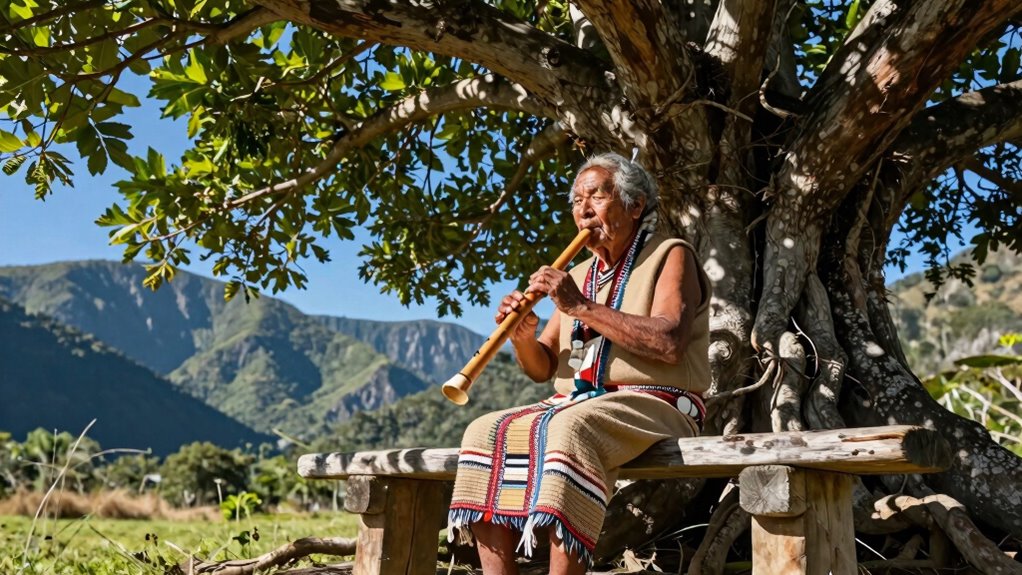

To truly embrace Indigenous knowledge, you should see learning as a cultural and relational experience. Incorporate storytelling, songs, and oral traditions to deepen understanding and connect with history. Recognize the importance of preserving languages and cultural practices, making education more inclusive and meaningful. Focus on relationships, sustainability, and community values to broaden perspectives. Keep exploring these approaches, and you’ll discover how indigenous ways can reshape and enrich your understanding of knowledge itself.
Open a free Amazon Business account
Business pricing, bulk buying and tax-exempt orders.
As an affiliate, we earn on qualifying purchases.
Key Takeaways
- Integrate storytelling and oral traditions to create more engaging, culturally relevant learning experiences.
- Value indigenous perspectives to foster humility, curiosity, and a holistic understanding of knowledge.
- Emphasize relationships, sustainability, and community context in educational content.
- Use indigenous knowledge to enhance understanding of ecology, morals, and social responsibility.
- Promote dialogue and participation to make education more inclusive and meaningful.
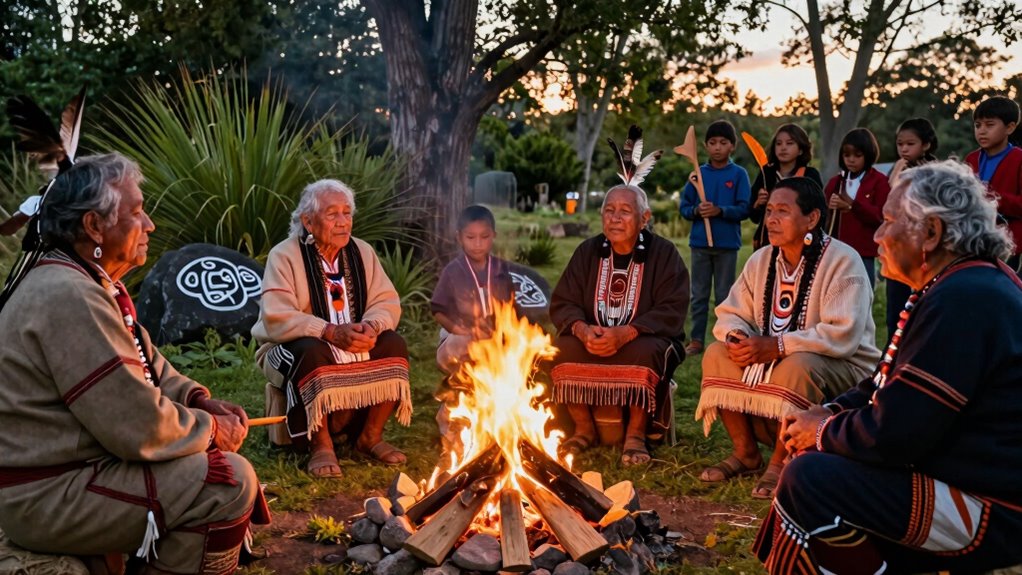
Traditional indigenous learning often relies on oral traditions, where stories, songs, and spoken word serve as primary tools for transmitting knowledge. This approach isn’t merely about passing information; it’s about embedding lessons within cultural context, making them meaningful and memorable. When you listen to elders or community storytellers, you engage with living history that connects you to ancestors’ experiences and values. This method fosters active participation and personal connection, contrasting sharply with the passive consumption of information typical in many Western educational settings. Recognizing the power of oral traditions can encourage you to value storytelling and dialogue as essential learning tools, enriching your understanding of complex ideas like ecology, morality, and social responsibility. Additionally, incorporating indigenous knowledge into educational frameworks can support the revitalization of endangered languages and cultural practices. Stories often serve as a magical realm where lessons are woven into captivating narratives, making them easier to remember and pass down through generations. It’s also important to understand that these oral traditions are often deeply connected to cultural identity, reinforcing a sense of belonging and continuity within communities.
Furthermore, integrating indigenous knowledge into your learning process enhances cultural preservation. It helps sustain languages, rituals, and customs that might otherwise fade away in a rapidly changing world. Recognizing oral traditions as a form of knowledge transmission emphasizes the importance of storytelling and dialogue in learning processes. Incorporating traditional practices can also deepen your appreciation for how knowledge is contextual and interconnected within communities. Changing how you learn to include indigenous perspectives means embracing humility and curiosity. It challenges the dominant narratives and invites you to see the world through varied lenses. You’ll find that indigenous knowledge offers holistic insights—focusing on relationships, balance, and sustainability—that can complement and deepen your understanding of modern issues. By doing so, you not only broaden your educational horizons but also foster respect for indigenous communities’ resilience and wisdom. Ultimately, incorporating indigenous ways of learning enriches your experience, making education more meaningful, inclusive, and rooted in the diverse fabric of human knowledge.
Indigenous storytelling educational tools
As an affiliate, we earn on qualifying purchases.
As an affiliate, we earn on qualifying purchases.
Frequently Asked Questions
How Can Indigenous Knowledge Be Integrated Into Formal Education Systems?
You can integrate Indigenous knowledge into formal education by promoting cultural integration and involving Indigenous communities in curriculum development. Collaborate with Indigenous elders and knowledge holders to guarantee their perspectives are accurately represented. Incorporate traditional stories, practices, and languages into lessons, making learning more inclusive and authentic. This approach enriches education, fosters respect, and helps preserve Indigenous cultures while providing students with diverse, meaningful perspectives.
What Challenges Exist in Preserving Indigenous Knowledge?
You face challenges in preserving indigenous knowledge, especially with rapid cultural change and modernization. Oral traditions risk fading as younger generations shift to written records and digital media. To combat this, you must prioritize cultural preservation, support community-led initiatives, and document oral histories. Safeguarding these traditions ensures that valuable indigenous knowledge remains alive, fostering respect and understanding for diverse cultural identities and their unique contributions to global heritage.
How Does Indigenous Knowledge Contribute to Environmental Sustainability?
Indigenous knowledge greatly contributes to environmental sustainability by emphasizing cultural resilience and traditional practices that promote harmony with nature. You’ll find that indigenous communities often use sustainable methods passed down through generations, like rotational farming or water conservation techniques. These practices help protect ecosystems and maintain biodiversity. By integrating indigenous knowledge into modern environmental efforts, you support resilient, sustainable solutions rooted in centuries of understanding and respect for the natural world.
Who Are the Primary Custodians of Indigenous Knowledge?
You might think elders are the sole custodians, but Indigenous knowledge is often preserved through traditional storytelling and cultural practices. These practices, passed down through generations, keep essential wisdom alive. Indigenous communities themselves are the primary custodians, actively safeguarding their traditions. By recognizing the importance of these practices, you understand that knowledge isn’t just stored but continually shared and reinforced within the community.
How Can Non-Indigenous Educators Respectfully Incorporate Indigenous Perspectives?
You can incorporate indigenous perspectives respectfully by practicing cultural sensitivity and engaging in respectful dialogue. Seek out authentic voices and involve indigenous communities in your curriculum planning. Always approach their knowledge with humility, listen actively, and avoid misrepresentation. By fostering an environment of mutual respect and understanding, you create a learning space where indigenous insights enrich education for everyone, honoring their traditions and promoting genuine cultural exchange.
Conclusion
As you begin to see the world through Indigenous Knowledge, you realize there’s so much more to discover beyond textbooks. Your understanding deepens, and suddenly, questions arise—what if this way of knowing holds the key to our future? The more you explore, the more you wonder what lessons we’ve overlooked. Stay curious, because the journey into Indigenous wisdom might just change everything you thought you knew about learning—and the world itself.
Fall Picks
fall essentials
As an affiliate, we earn on qualifying purchases.