
Moisture is the enemy of wild food storage because it promotes mold, bacteria, and pest issues that cause spoilage. Excess moisture can seep into containers, ruining your harvest and reducing its shelf life. To keep your wild foods safe, you need to control humidity, use airtight containers, and guarantee proper dehydration. If you want to discover effective techniques to prevent spoilage and extend your wild food’s freshness, keep exploring these essential strategies.

Get garden gear delivered free with Prime
- Fast, free delivery on millions of items
- Prime Video, Amazon Music and more included
- Member-only deals all year
Key Takeaways
- Moisture promotes mold, bacteria, and fungi growth, causing spoilage of stored wild foods.
- Excess moisture increases the risk of pest infestation and microbial contamination.
- Moisture re-enters storage containers, leading to spoilage and reduced shelf life.
- High humidity levels accelerate deterioration and degrade the quality of dried wild foods.
- Proper moisture control prevents harvest wastage and extends preservation effectiveness.
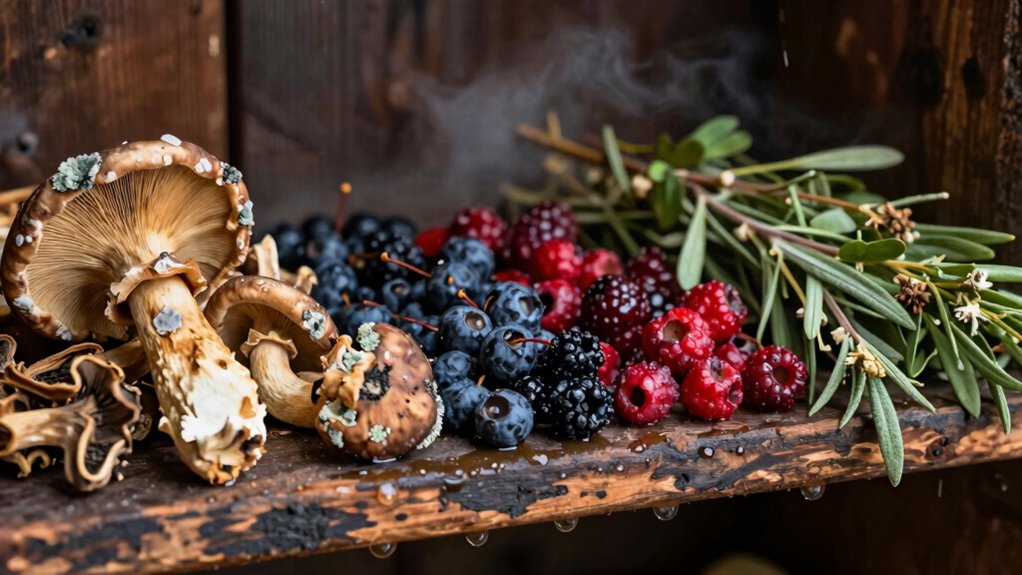
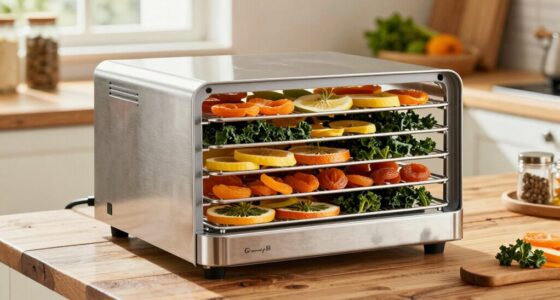
Moisture is one of the most vital factors to control when storing wild foods, as it can quickly lead to spoilage, mold, and pest issues. If you don’t keep foods dry, bacteria and fungi thrive, ruining your harvest and wasting your effort. To prevent this, mastering dehydration techniques is essential. Proper dehydration removes excess moisture, inhibits microbial growth, and extends shelf life. You want to guarantee that dried foods are evenly dehydrated—using a food dehydrator, oven, or air-drying methods—so no damp spots remain that could encourage spoilage. Once dried thoroughly, it’s imperative to store these foods in appropriate containers to maintain dryness and prevent reabsorption of moisture.
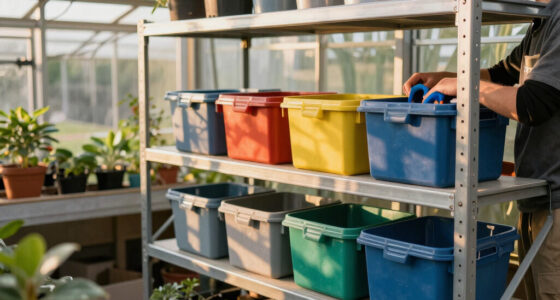
Choosing the right storage container options makes a notable difference in preserving wild foods. Airtight containers, such as glass jars with tight-fitting lids or vacuum-sealed bags, are ideal because they block moisture from seeping in. Avoid flimsy or porous containers that allow humidity to infiltrate, compromising the dryness of your preserved foods. If you’re storing in a humid environment, consider adding desiccants or oxygen absorbers inside your containers. These small packets help absorb residual moisture and maintain a dry environment, further protecting your food. Also, keep your storage containers in cool, dark places, as heat and light can degrade dried foods over time, even if they’re moisture-free. Proper storage environment is essential to prevent moisture ingress and ensure longevity. Maintaining stable temperature and humidity levels can significantly extend the shelf life of your stored foods. Regular monitoring of storage conditions and implementing moisture control strategies can further safeguard your preserved wild foods from spoilage. Additionally, understanding the importance of airtight sealing techniques can help prevent moisture from re-entering your stored foods.
airtight glass food storage jars
As an affiliate, we earn on qualifying purchases.
As an affiliate, we earn on qualifying purchases.
Frequently Asked Questions
How Can I Detect Hidden Moisture in Stored Wild Foods?
You can detect hidden moisture in stored wild foods by using moisture indicators, which often come as color-changing packs or strips. Additionally, check for signs like mold, sticky textures, or an unusual smell that dehydration techniques haven’t fully eliminated moisture. Regularly inspecting your stored food helps catch hidden moisture early, preventing spoilage. Using moisture indicators and keen observation guarantees your wild foods stay dry, safe, and preserved longer.
What Are the Best Natural Moisture Absorbers for Wild Food Storage?
Like a sponge soaking up water, natural desiccants are your best bet for moisture absorption. You should use natural desiccants like silica gel, activated charcoal, or bentonite clay to keep your wild foods dry. Pair these with moisture barriers—airtight containers or well-sealed sacks—to prevent humidity from sneaking in. These methods work together to protect your wild food stash from mold, spoilage, and deterioration.
Can Moisture Cause Wild Food to Become Toxic?
Moisture can cause wild food to become toxic by fostering toxic mold and hidden bacteria growth. When food stays damp, mold spores thrive and produce harmful toxins, while bacteria can grow unseen, leading to foodborne illnesses. You should always keep wild food dry and properly stored, as moisture creates a breeding ground for these dangerous microorganisms, making your food unsafe to consume. Staying vigilant helps prevent health risks associated with spoiled wild foods.
How Often Should I Check for Moisture in Stored Wild Foods?
You should check your stored wild foods for moisture at least once a month to extend their shelf life and maintain quality. Regular inspections help you catch any signs of dampness early, preventing mold or spoilage. Use proper storage techniques like airtight containers and moisture absorbers. Staying vigilant guarantees your wild foods stay fresh longer, reducing waste and keeping them safe for future use.
Does Moisture Affect Wild Food Flavor Over Time?
Yes, moisture can affect the flavor of your wild foods over time. It causes flavor degradation by promoting spoilage and fermentation, which alter the natural taste. Additionally, moisture triggers texture changes, making foods soggy or moldy, further diminishing quality. To keep your wild foods flavorful and fresh, guarantee they stay dry and properly stored, regularly checking for any signs of moisture that could compromise their taste and texture.
Conclusion
Remember, moisture is the silent thief that can turn your wild food bounty into ruin. Like a shadow lurking in the dark, it seeps in unnoticed, threatening your hard-earned harvest. Keep your storage dry, and you’ll preserve the flavor, nutrition, and abundance nature offers. Don’t let moisture be the wolf in sheep’s clothing—protect your wild food as if your future depends on it, because, in truth, it does. Stay vigilant, and your food will stand the test of time.
Evergreen bestsellers Picks
bestsellers
As an affiliate, we earn on qualifying purchases.