Fermentation helps you preserve wild harvests by extending their shelf life and turning seasonal bounty into tasty, probiotic-rich foods. It fosters beneficial bacteria that outcompete spoilage organisms, naturally preserving your harvest without fancy equipment. This process also boosts nutrient availability, reduces bitterness, and transforms tough ingredients into flavorful treats. By exploring fermentation techniques, you can enjoy your foraged foods year-round and minimize waste—ready to discover how to make the most of your wild foods?

Get garden gear delivered free — and shop member deals
- Fast, free delivery on millions of items
- Access to Prime Big Deal Days deals on October 6–7
- Prime Video, Amazon Music and more included
Key Takeaways
- Extends the shelf life of seasonal wild foods without refrigeration.
- Enhances nutrient bioavailability and probiotic content for better health benefits.
- Transforms strong or bitter wild ingredients into flavorful, palatable foods.
- Preserves excess wild harvests, reducing waste and spoilage.
- Allows versatile, year-round creation of fermented wild foods with simple tools.
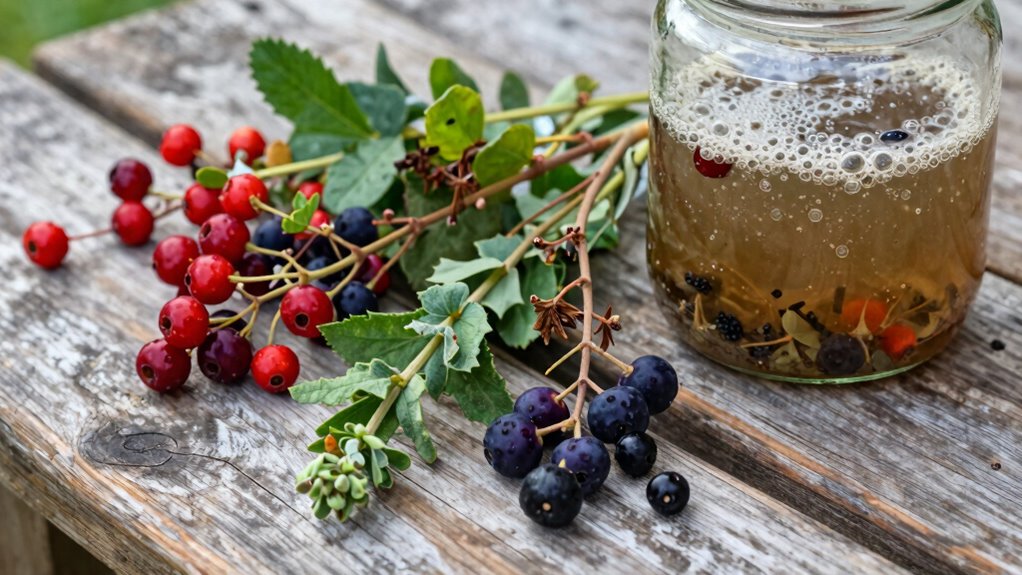
Have you ever considered how fermentation can enhance your wild harvests? It’s a powerful method to extend the lifespan of your foraged foods and access new flavors, making it an essential skill for anyone who gathers wild ingredients. Fermentation techniques have been used for centuries across cultures to preserve seasonal bounty and improve nutritional value. When you embrace wild food preservation through fermentation, you’re not just preventing spoilage—you’re also creating probiotic-rich foods that boost your gut health. This process is especially beneficial when dealing with abundant wild harvests that might otherwise go to waste.
Fermentation enhances wild harvests by extending shelf life and boosting gut health with probiotic-rich foods.
Fermentation techniques work by encouraging beneficial bacteria to thrive, which outcompete spoilage organisms. This creates an environment where your wild foods can last longer without refrigeration. For example, fermenting wild greens, berries, or roots transforms them into tangy, flavorful products that can be stored for months. The simplicity of these techniques means you don’t need fancy equipment—just a jar, some salt or natural starter, and a bit of patience. As you become more familiar with wild food preservation, you’ll discover how adaptable fermentation can be to a variety of wild ingredients, from mushrooms to flower blossoms. Additionally, understanding the principles of home fermentation can help you troubleshoot and improve your results over time. Recognizing how fermentation encourages beneficial bacteria growth is key to mastering these techniques. Exploring fermentation science can further enhance your ability to customize flavors and techniques to suit your foraged ingredients.
In addition to preservation, fermentation enhances the nutritional profile of your wild harvests. Many wild plants contain enzymes and nutrients that become more bioavailable through fermentation. This process can also reduce bitterness or harsh flavors, making wild foods more palatable and enjoyable. It’s also worth noting that fermentation can help you minimize waste by turning surplus wild ingredients into delicious, shelf-stable foods. By understanding the science behind microbial cultures, you can better control and optimize your fermentation outcomes. Foraging often yields ingredients that are seasonal or strong-tasting, but fermentation smooths out these qualities, turning tough or bitter foods into delicious, probiotic-rich delicacies. Plus, the fermentation process introduces beneficial bacteria that support your digestive system, turning your wild harvests into functional foods that promote overall health.
Another key advantage of fermentation is its versatility. You can experiment with different fermentation techniques to suit your wild ingredients and taste preferences. Whether you’re making wild berry kvass, fermented greens, or mushroom kimchi, each method offers a unique way to extend your harvest while enhancing flavor. Fermentation is also a sustainable practice; it minimizes waste by turning excess wild foods into nutritious, shelf-stable products. Over time, you’ll develop an intuitive understanding of how different wild ingredients respond to various fermentation methods, empowering you to create your own preserved wild foods year-round.
fermentation starter kit for wild foods
As an affiliate, we earn on qualifying purchases.
As an affiliate, we earn on qualifying purchases.
Frequently Asked Questions
Can All Wild-Harvested Foods Be Fermented Safely?
Not all wild-harvested foods can be fermented safely, as some may harbor harmful bacteria or toxins. You should carefully identify and prepare wild ingredients to preserve their unique flavor profiles and guarantee safety. Fermentation preservation works best with foods that are naturally suitable for fermentation, but always research specific plants or fungi beforehand. Proper cleanliness and fermentation techniques help prevent spoilage and make wild foods both delicious and safe to enjoy.
What Are Common Fermentation Methods for Wild Ingredients?
You can use traditional fermentation techniques like lacto-fermentation or wild fermentation to process wild ingredients. These methods involve submerging wild herbs, fruits, or vegetables in salt brine or natural starter cultures, fostering wild flavor combinations. By controlling temperature and time, you enable safe fermentation, enhancing flavors and preserving your harvest. Exploring these techniques helps you access unique tastes while ensuring safety and quality in your wild-foraged foods.
How Does Fermentation Enhance the Nutritional Value of Wild Harvests?
Fermentation actually enhances the nutritional value of wild harvests through microbial enhancement, which increases nutrient availability and breaks down complex compounds. Some theories suggest fermentation preserves nutrients better than drying or cooking, maintaining nutrient integrity for longer periods. As a result, you get increased bioavailability of vitamins, minerals, and beneficial probiotics, making wild harvests more nutritious and digestible. This process transforms wild ingredients into more healthful, easily absorbed foods.
Are There Specific Wild Plants That Ferment Better Than Others?
Certain wild plants, like wild grapes, berries, and leafy greens, ferment better due to their natural sugars and moisture content. The wild flavor of these plants influences fermentation factors, such as acidity and microbial activity, making them ideal candidates. You’ll find that plants with higher sugar levels and robust microbial populations tend to ferment more reliably, producing flavorful and nutritious results. Pay attention to these factors for successful wild fermentation.
What Risks Are Associated With Fermenting Wild Foods?
Fermenting wild foods carries risks like microbial contamination, which can introduce harmful bacteria or molds, and toxin formation if fermentation isn’t properly controlled. You might unintentionally create unsafe products if the environment isn’t clean or if fermentation goes wrong. To minimize these risks, guarantee proper sanitation, use clean containers, monitor fermentation closely, and follow proven techniques. This helps keep your wild ferments safe and enjoyable to consume.
Conclusion
By embracing fermentation for your wild harvests, you unveil a world of flavors and preservation methods that can transform your foraged finds into culinary masterpieces. It’s not just a simple process; it’s a magical alchemy that enhances nutrition, extends shelf life, and deepens your connection to nature’s bounty. When you master fermentation, you hold the power to turn humble wild ingredients into extraordinary, life-enhancing treasures—truly an art that can revolutionize your foraging journey and nourish your soul like nothing else.
Fall yard work Picks
leaf blowers
As an affiliate, we earn on qualifying purchases.