
TL;DR
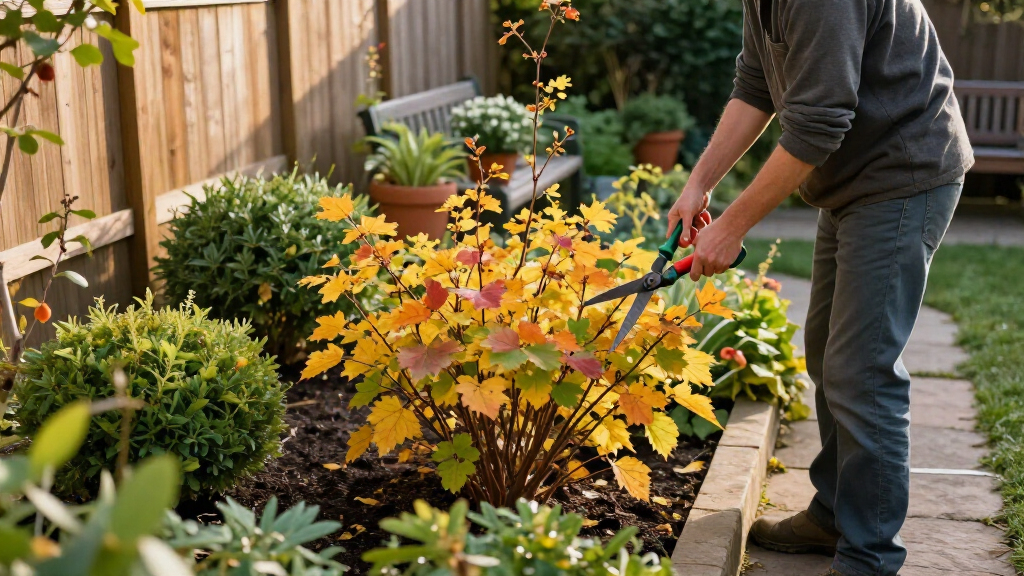
Garden experts recommend pruning six specific plants in September to prepare for fall. Proper pruning promotes healthy growth and a tidy appearance. Some plants should be left untouched for best results.
Gardeners are advised to prune six specific plants this September to ensure a tidy and healthy fall garden. You can learn more about ground cover plants to add to your garden in August to help with fall preparations. This targeted pruning helps promote vigorous growth, prevent disease, and prepare plants for winter. Experts emphasize that timing is critical for these six species, making September the ideal month for maintenance before colder weather sets in.
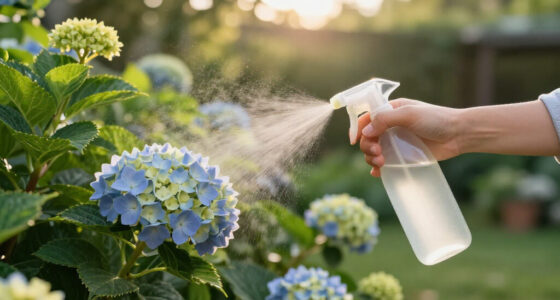
According to horticultural specialists, the six plants most beneficial to prune in September include hydrangeas, roses, butterfly bushes, spireas, viburnums, and lilacs. Proper pruning involves removing dead or diseased wood, shaping the plants, and encouraging new growth that will flourish in the spring. For ideas on resilient plants, see our guide on tough ground cover plants. For example, hydrangeas should be cut back to promote larger blooms next year, while roses benefit from thinning out weak or crossing stems to improve air circulation.
Experts recommend using clean, sharp tools to prevent disease transmission and to prune at specific times for each plant type. For instance, butterfly bushes should be cut back to about one-third of their size, and viburnums should be lightly thinned to maintain shape. The goal is to strike a balance between removing dead material and preserving healthy growth, which can vary depending on the plant species and local climate conditions.
In addition to these six plants, gardeners are advised to leave certain species unpruned in September, such as evergreen shrubs, to protect them from winter damage. Over-pruning in late fall or winter can expose plants to cold injury, so understanding which plants to leave intact is equally important for a successful garden. Consider exploring ground cover options for winter protection.
Why Proper September Pruning Affects Garden Health
Pruning in September is critical because it helps plants recover from summer stress, reduces the risk of disease, and encourages robust growth for the following season. Properly timed trimming can also improve the appearance of the garden, making it easier to maintain and more visually appealing during the fall and winter months. For homeowners and professional gardeners alike, understanding which plants to prune and when can lead to healthier, more resilient gardens year-round.
As an affiliate, we earn on qualifying purchases.
Seasonal Pruning Trends and Garden Preparation
Interest in fall gardening practices has surged recently, driven by a desire for more manageable and visually appealing gardens heading into winter. While pruning is a common activity, experts emphasize that timing and plant selection are crucial. Historically, September has been recognized as an ideal month for pruning certain woody and flowering plants, as it allows for recovery before the onset of cold weather. The trend reflects a broader movement toward sustainable gardening, where proper plant maintenance reduces the need for chemical treatments and promotes natural growth cycles.
Previous years have seen increased coverage of fall garden care, with specific advice on pruning techniques and plant selection. However, the current spike in interest appears to be driven by a combination of seasonal gardening guides and social media trends, with some unconfirmed reports suggesting an increased focus on preparing gardens for winter resilience.
Unconfirmed Trends and Unknown Plant Responses
While expert recommendations for pruning specific plants in September are well-established, the recent surge in interest is based on trend signals rather than confirmed scientific studies. It is not yet clear how universally effective these practices are across different climates and garden conditions. Additionally, some gardeners report variability in plant responses, and more research may be needed to refine timing and methods for diverse environments.
Next Steps for Gardeners and Industry Experts
Gardeners should follow local horticultural advice and monitor plant responses after pruning. Industry experts anticipate further guidance and research on optimal pruning techniques, especially as climate patterns shift. For now, gardeners are encouraged to prune the six identified plants in September using proper tools and techniques, and to observe how their plants respond for future adjustments. Additionally, gardening centers and horticultural societies may release updated recommendations as new data becomes available.
Key Questions
Which six plants should I prune in September?
The six plants recommended for pruning in September are hydrangeas, roses, butterfly bushes, spireas, viburnums, and lilacs.
Why is September the best time for pruning these plants?
September allows for healing and recovery before winter, reduces disease risk, and encourages vigorous growth for spring.
Are there plants I should avoid pruning in September?
Yes, evergreen shrubs and certain flowering plants should generally not be pruned in late fall or winter, as this can expose them to cold damage.
Can improper pruning harm my plants?
Yes, incorrect pruning can lead to poor growth, increased disease risk, and reduced flowering. It is important to follow species-specific guidelines and use proper tools.
Will these pruning practices work in all climates?
While generally effective, pruning results can vary depending on local climate and conditions. Gardeners should adapt advice to their specific environment and consult local experts if unsure.
Source: rss