
TL;DR
Gardening activity is trending with increased interest in planting late-season vegetables. Experts suggest planting seven specific vegetables in September to ensure harvests in fall and next spring. This advice aims to help gardeners maximize their growing season.
Gardening enthusiasts are being encouraged to continue planting into September, with experts advising that seven specific vegetables can be successfully grown now for harvests this fall and next spring. Plant These 6 Bulbs In September For Enchanting Flowers That Appear Like Magic Through Fall This guidance comes amid rising interest in extending the gardening season, especially as many seek to maximize their harvests before winter.
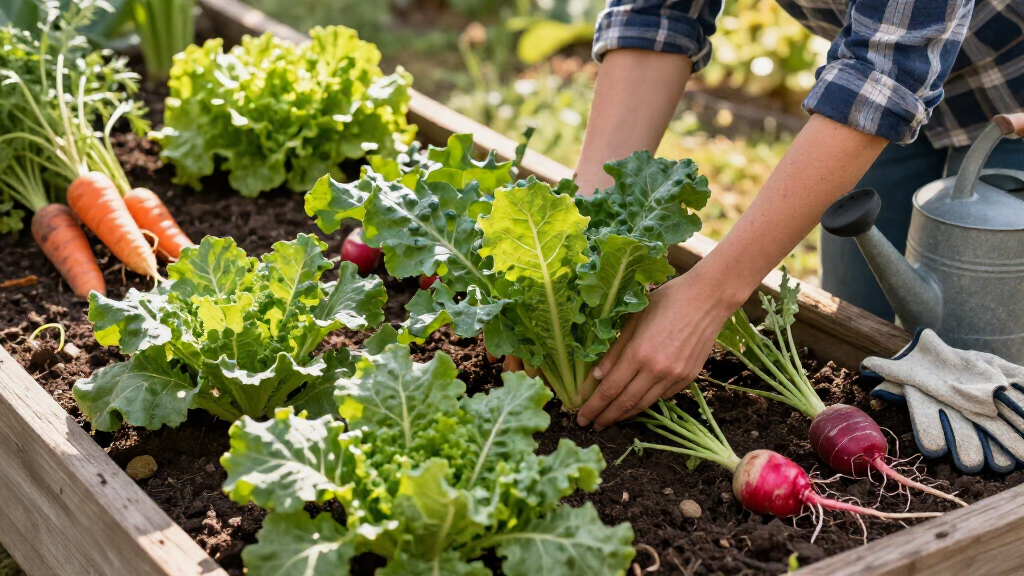
According to recent gardening trend signals, planting in September remains viable for certain vegetables, despite the typical end of the growing season. Experts recommend seven vegetables that can be sown now: spinach, radishes, carrots, lettuce, broccoli, peas, and turnips. These crops are suited to cooler weather and can mature before the first frost, which varies regionally but generally occurs between late September and November.
Gardening guides emphasize that timing is critical; planting these vegetables in early September allows sufficient growth time. For example, spinach and radishes can be harvested within 30 to 40 days, making them ideal for late-season planting. Carrots and broccoli may take longer but can still be viable if planted early in the month. Gardeners are advised to monitor local frost dates and protect young plants as needed.
This advice aligns with ongoing trends showing increased interest in extending the gardening season, driven by a desire for fresh produce, sustainability, and food security. While some regions may face unpredictable weather, experts note that with proper planning, successful fall harvests are achievable.
Why Planting in September Matters for Gardeners
Planting these vegetables in September allows gardeners to maximize their growing season, providing fresh produce during the fall and even into early winter in some regions. This practice can reduce grocery bills, improve food security, and promote sustainable living. Additionally, extending the gardening season supports mental well-being by maintaining outdoor activity and connection to nature during cooler months.
Moreover, planting now prepares the soil for spring crops, as many of these vegetables can be started early and transplanted later. The trend reflects a broader shift towards year-round gardening, which has gained popularity amid increased interest in self-sufficiency and local food production. However, the success of this approach depends on regional climate conditions and proper garden management.
vegetable garden seeds for fall planting
As an affiliate, we earn on qualifying purchases.
As an affiliate, we earn on qualifying purchases.
Recent Trends and Regional Gardening Practices
Interest in extending gardening seasons has surged over recent years, partly driven by the pandemic’s influence on food habits and a growing focus on sustainability. Gardening guides and online communities report increased searches for late-season planting tips and frost protection strategies. Traditionally, many gardeners consider September the end of the planting season, but recent advice suggests that with proper timing and care, planting can continue into early fall.
Regional climate variations significantly influence what can be planted in September. For example, gardeners in USDA zones 7 and above often have a longer window for fall planting, while those in colder zones need to act quickly to avoid frost damage. Despite these differences, the overall trend indicates a shift towards more flexible, year-round gardening practices.
While the trend is supported by expert advice, it remains unconfirmed whether this will lead to a sustained change in planting habits or if it is primarily driven by seasonal interest spikes.
Unconfirmed Aspects of September Planting Success
While planting recommendations are based on established horticultural knowledge, the actual success rate of these vegetables in different regions during September remains unconfirmed. Variations in local frost dates, weather patterns, and soil conditions could impact outcomes. Additionally, the long-term effects of late-season planting on soil health and subsequent spring crops are still being studied.
It is also unclear how widespread adoption of this practice will become, as regional gardening habits and climate factors vary. More data is needed to confirm whether this trend will lead to significant changes in gardening calendars or remain a niche practice.
Next Steps for Gardeners Considering September Planting
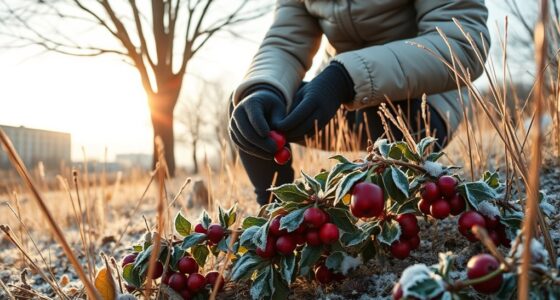
Gardeners interested in planting in September should first check local frost dates and prepare their soil accordingly. Using cold frames, row covers, or mulch can help protect young plants from early frosts. Monitoring weather forecasts and adjusting planting schedules as needed will also improve success rates.
Experts recommend starting with quick-maturing crops like radishes and spinach, which can be harvested within a month. For longer-growing vegetables, planting early in the month provides the best chance for a successful harvest. Ongoing research and regional gardening trials will further refine best practices.
Gardening communities and local extension services are expected to provide updated advice and resources in the coming weeks to support late-season planting efforts.
Key Questions
Can I plant these vegetables in September in any climate?
No, success depends on regional climate and frost dates. Gardeners should check local guidelines and consider protective measures for late planting.
Which vegetables are best for quick harvests in September?
Radishes, spinach, and lettuce are ideal for quick harvests, often ready within 30-40 days of planting.
Will planting in September affect next year’s crop?
Proper soil preparation and crop rotation are recommended to prevent soil depletion and disease buildup. Late planting generally has minimal impact if managed correctly.
What tools or techniques can help protect plants from early frost?
Use row covers, cold frames, mulch, and frost blankets to shield young plants from frost damage and extend the growing window.
Is this advice suitable for beginner gardeners?
Yes, especially for quick-maturing crops like radishes and lettuce. Beginners should focus on simple, fast-growing vegetables and use protective measures as needed.
Source: rss