
TL;DR
Listen free for 30 days with Audible
Thousands of audiobooks and originals — cancel anytime.
Start your free trialAs an affiliate, we earn on qualifying purchases.
Gardening enthusiasts are increasingly constructing DIY bug hotels to shelter beneficial insects before colder weather arrives. This trend aims to support garden health and biodiversity, with many tutorials and plans circulating online. The rising interest is driven by a growing awareness of insects’ roles in pollination and pest control.
Gardening enthusiasts are increasingly building DIY bug hotels to provide shelter for beneficial insects before temperatures drop in the coming weeks. This development reflects a rising awareness of insects’ vital roles in pollination and pest control, and the trend is gaining traction through online tutorials and community advice.
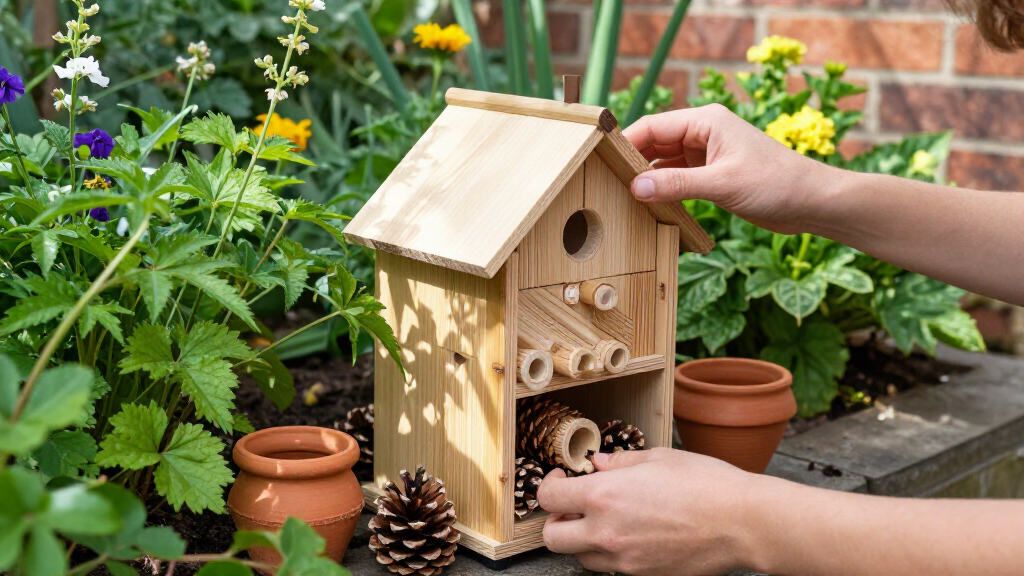
The practice involves constructing simple structures using natural materials such as wood, straw, and bricks, designed to attract and house insects like bees, ladybugs, and solitary wasps. These structures are typically placed in gardens or outdoor spaces to offer refuge during colder months when insects seek shelter from the elements. The trend appears to be driven by a combination of environmental awareness and a desire to support sustainable gardening practices.
While the concept of creating insect habitats is not new, recent online content and social media posts indicate a surge in DIY guides and plans, especially as gardeners prepare for the winter season. Experts note that providing shelter for beneficial insects can enhance garden health by promoting pollination and natural pest control, reducing the need for chemical interventions. However, the exact scale of this trend and its long-term impact remain to be fully assessed.
Why Building a Bug Hotel Matters for Garden Health
Constructing bug hotels supports biodiversity and ecosystem resilience within gardens, encouraging beneficial insects to thrive during colder months. These insects play critical roles in pollination, which is essential for flowering plants and fruit production, and in controlling pests naturally. As temperatures drop, providing shelter helps ensure these insects survive through winter, leading to healthier, more productive gardens in the following seasons. This trend reflects a broader movement toward eco-friendly gardening practices and sustainable pest management, potentially reducing reliance on chemical pesticides.
As an affiliate, we earn on qualifying purchases.
Growing Interest in Insect Habitats and Sustainable Gardening
Over recent years, there has been increasing public awareness of the importance of insects in maintaining healthy ecosystems. DIY insect hotels and habitats have become popular among gardeners and conservationists, often promoted through online tutorials, gardening blogs, and social media. While the concept is rooted in traditional practices, recent spikes in search interest and content creation suggest a renewed focus on supporting beneficial insects as part of sustainable gardening efforts. The trend aligns with broader environmental concerns and efforts to promote biodiversity in urban and suburban settings.
Extent and Effectiveness of the DIY Bug Hotel Trend
It is not yet clear how widespread the trend is or how effective DIY bug hotels are in supporting beneficial insect populations long-term. While many tutorials and social media posts promote the practice, comprehensive studies on its impact are still lacking. Further research is needed to evaluate how much these structures contribute to insect survival and garden health over multiple seasons.Monitoring the Impact and Growing Adoption of Insect Habitats
Researchers and gardening organizations are expected to observe and document the effectiveness of DIY bug hotels in supporting beneficial insects. As interest continues to grow, more detailed studies may emerge to assess their ecological benefits. Meanwhile, gardeners are encouraged to share their experiences and refine building techniques to maximize insect shelter and garden health benefits.Key Questions
How do I build a simple bug hotel for my garden?
Use natural materials such as hollow bamboo stems, wood blocks with holes, straw, and bricks. Arrange them in a sheltered spot, preferably off the ground and away from wind and rain, to attract beneficial insects.
Which insects benefit most from bug hotels?
Solitary bees, ladybugs, lacewings, and certain wasps are among the main beneficiaries, as they seek shelter and overwinter in such structures.
When should I place my bug hotel in the garden?
Place it before the first frosts, typically in early autumn, to allow insects to find shelter before winter sets in.
Are there any risks or downsides to building bug hotels?
If not properly maintained, bug hotels can harbor pests or mold. Ensure good ventilation, clean out debris periodically, and position structures in safe, sheltered locations.
Can I add plants or other features to attract insects?
Yes, planting native flowering plants nearby can attract pollinators and other beneficial insects, enhancing the effectiveness of your bug hotel.
Source: rss
Flea & tick season Picks
flea and tick prevention
As an affiliate, we earn on qualifying purchases.