TL;DR

Get garden gear delivered free with Prime
- Fast, free delivery on millions of items
- Prime Video, Amazon Music and more included
- Member-only deals all year
Grow Organic’s guide says crimson clover is generally an annual for a defined cover-crop window, while red clover is usually biennial or a short-lived perennial for longer cover. The choice depends on local climate, planting timing, soil conditions and how the stand will be managed; neither species is guaranteed to survive winter or fix nitrogen well at every site.
Grow Organic has published a guide comparing crimson clover and red clover, two legumes often used in cover crops, forage and pollinator plantings. It identifies life cycle and intended duration as the main differences: crimson clover is typically an annual, while red clover is generally biennial or a short-lived perennial, making the choice relevant to growers planning how long a planting should remain in place.
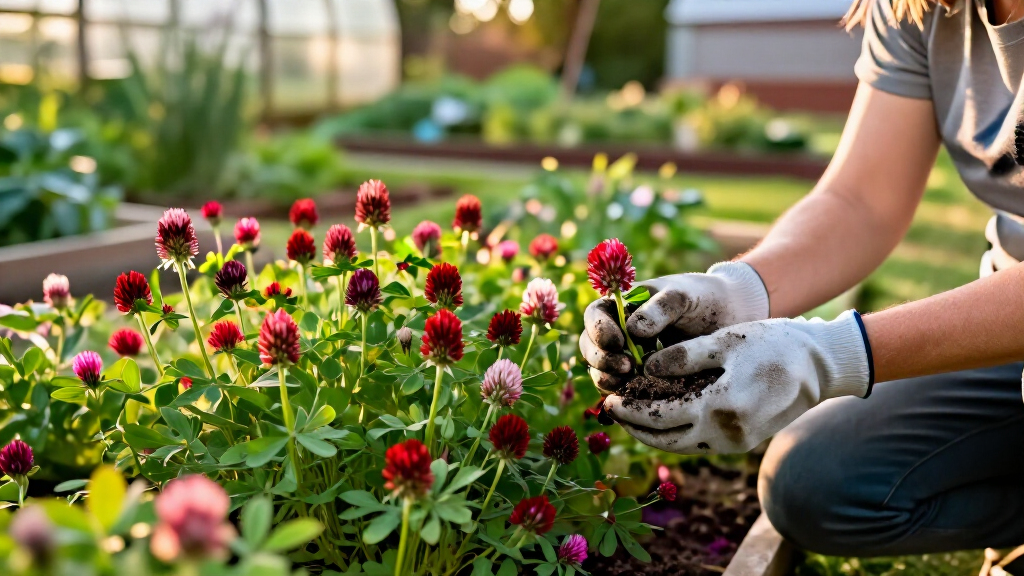
The guide identifies crimson clover as Trifolium incarnatum, a cool-season annual commonly planted for cover. It grows upright and produces elongated crimson flower heads. In areas where conditions allow establishment, it is often planted in early fall for growth into spring. Its annual habit can suit a crop rotation with a defined planting window, but growers may need to manage it before mature seed if they want to limit volunteer plants.
Red clover, Trifolium pratense, is described as a biennial or short-lived perennial. Its branching growth and rounded pink-to-red flower heads distinguish it from crimson clover. The guide says red clover can remain productive beyond its first year, so it may suit longer-duration cover, overseeding or rotations where continued growth is useful. Some varieties grow roughly 12 inches to more than 30 inches, according to the source.
Both species can form root nodules with compatible rhizobia bacteria and fix atmospheric nitrogen, the guide says. That benefit is conditional: nodulation depends on bacteria, soil conditions and plant health, so the article does not present a guaranteed nitrogen contribution. It recommends checking regional planting guidance and seed-product instructions, including the seeding rate for the intended use.
Choosing for Cover Crop Duration
The practical difference is whether a grower wants a seasonal planting or a stand that may persist. Selecting an annual for a longer-term role could leave a gap in cover, while choosing red clover where a short rotation requires clean termination may demand additional management. The comparison is relevant to farms and gardens balancing soil cover, crop timing and flowering resources.
Both clovers can attract bees when in bloom, but the source says bloom timing and local conditions affect their value. Crimson clover may flower earlier in some regions; red clover may provide flowers over a longer period. A mix of flowering plants can provide more consistent resources than relying on either clover alone, the guide advises.
As an affiliate, we earn on qualifying purchases.
How the Two Clovers Differ
The Grow Organic comparison frames the choice around planting window, climate, soil and management plan, rather than naming one species as universally better. Crimson clover’s annual growth offers a defined cycle. Red clover’s potential to persist makes it an option when a planting is expected to last beyond one season. Their flower shapes also differ: crimson clover has narrow, elongated heads, while red clover has rounded heads.
Winter behavior is not assured for either species. The source says crimson clover survival varies with cultivar, establishment and local winter conditions; red clover is generally more persistent, but its survival also depends on variety and site. Both prefer drained soils and should be planted using regional recommendations. Soil testing can help determine whether amendments are needed, but the source gives no specific rates or local planting calendar.
“The right choice depends on your planting window, soil conditions, and management plan.”
— Grow Organic guide
Local Survival and Results Vary
The guide does not specify a particular region, cultivar, planting date, seeding rate or expected yield. Those details matter because winter survival and establishment vary with variety, weather, soil drainage and planting conditions. It also provides no quantified estimate of nitrogen added to soil or a direct measurement of pollinator benefit.
Termination outcomes are not fixed. Crimson clover allowed to set mature seed may produce volunteer plants, while red clover can regrow after cutting. The appropriate timing and method depend on the next crop, weather and available equipment, according to the source. Growers should consult local recommendations and product instructions before planting or terminating a stand.
Plan Planting and Termination
The guide’s practical next step is to decide the planting’s purpose and duration before buying seed. Growers should check local climate and soil conditions, confirm the seed variety and recommended rate, and plan how the stand will be terminated or managed after flowering. For a defined annual window, crimson clover may be the closer fit; for potentially longer cover, red clover may be worth considering.
Because the source offers general guidance rather than region-specific prescriptions, the next decision depends on local planting advice and the rotation schedule. No further publication or research milestone is identified in the material provided.
Key Questions
Are crimson clover and red clover the same plant?
No. They are different species in the same plant family. Crimson clover is Trifolium incarnatum, while red clover is Trifolium pratense, and their life cycles and growth habits differ.
Which clover is better for a short cover-crop window?
The guide presents crimson clover as a typical annual cover crop, which can suit a defined seasonal window. The best choice still depends on local winter conditions, planting timing and the next crop.
Which clover may last longer?
Red clover is generally biennial or a short-lived perennial and may remain productive beyond its first year. Persistence is not guaranteed; variety and site conditions affect survival.
Do both clovers fix nitrogen and attract bees?
Both can fix nitrogen when compatible rhizobia, soil conditions and plant growth support nodulation. Both can attract bees when flowering, but bloom timing and local conditions affect the benefit. The source does not provide quantified nitrogen or pollinator results.
Source: rss
Fall yard work Picks
leaf blowers
As an affiliate, we earn on qualifying purchases.