
TL;DR

Get garden gear delivered free with Prime
- Fast, free delivery on millions of items
- Prime Video, Amazon Music and more included
- Member-only deals all year
Garden designer Harry Holding advises gardeners to decide whether to reseed a drought-damaged lawn based on how they use the space, their soil and the effort needed to establish and maintain grass. He says smaller lawns, meadow areas and drought-tolerant planting may suit some gardens, while lawns can still earn their space where people need room to play or gather.
Garden designer Harry Holding says gardeners deciding what to do with drought-damaged lawns should weigh the grass’s practical use against the work and water needed to restore it. In advice published by Amateur Gardening, he recommends considering reseeding, reducing the lawn or replacing some grass with other features rather than treating a traditional lawn as a default.
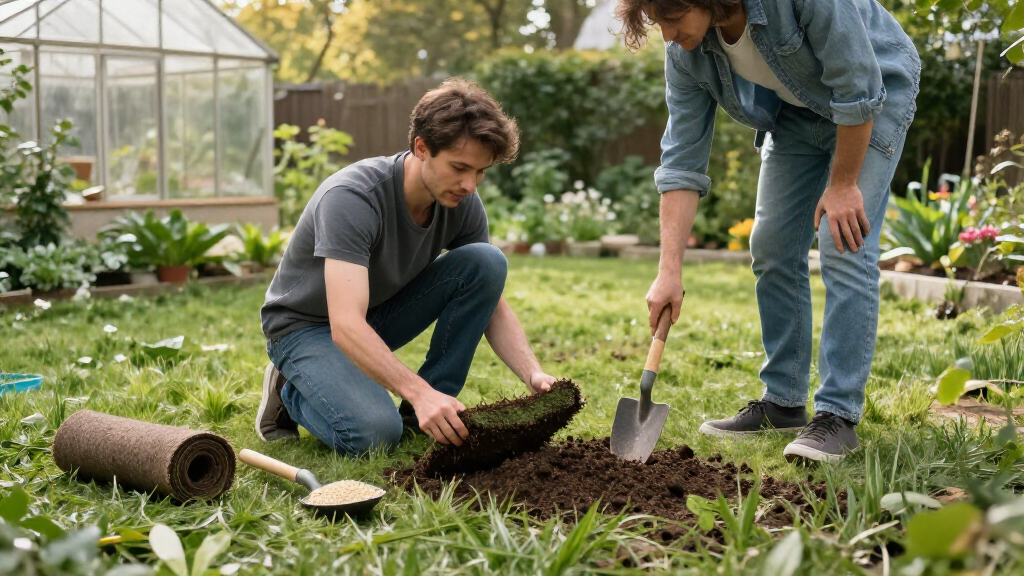
Holding says sowing seed onto compacted ground is unlikely to succeed without preparation. He recommends breaking up the surface, removing dead thatch and adding top-dressing before sowing. Seed also needs regular watering while it establishes, which can be difficult during dry weather or restrictions on water use.
Soil and location affect the decision, he says. On London clay, for example, soil can bake and crack in summer and become wet and boggy in winter. Holding also points to the ongoing upkeep of grass, including mowing and, in many cases, feeding and watering. A dry summer can leave a lawn looking poor despite that work.
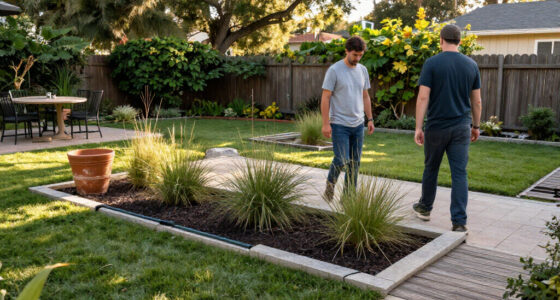
Rather than remove all grass, gardeners could consider making the lawn smaller. Holding says a reduced lawn can free space for seating, dining or layered planting. He suggests meadow areas, drought-tolerant plants and a mown path through longer grass, as well as creeping plants such as wild thyme and chamomile in gravel or between paving for areas people walk across.
Choose Grass for Its Use
The decision affects both how a garden functions and how much work it takes to maintain. A lawn can provide a soft, open area for children’s play, picnics or gatherings, but it may be less useful where a small garden also needs space for a terrace, outdoor dining and planting.
Holding’s advice is to judge the lawn by what it contributes, not by an expectation that every British garden needs one. Replacing some grass could leave more room for planting and other uses, while a lawn that serves a clear purpose may justify the effort of repair. The source does not give a universal recommendation or a cost comparison; the choice depends on the garden and its users.
Popular right now

Breville Barista Express Espresso Machine with Built-In Grinder, Brushed Stainless Steel

Samsung 75-Inch QLED Q7F Series Smart TV (2025)

Bose QuietComfort Wireless Noise Cancelling Headphones, Twilight Blue
As an affiliate, we earn on qualifying purchases.
Why Summer Damage Prompts Rethinking
The Amateur Gardening report describes lawns affected by a UK summer marked by high temperatures, extended dry spells and hosepipe bans. It says all but the most established lawns would have suffered, though it does not provide a survey or a measure of how widespread the damage was.
Holding is Founder and Principal Designer of Harry Holding Studio. The report says his Eden Project garden received the Environmental Innovation Award at the 2026 RHS Chelsea Flower Show. His comments address whether gardens should be designed around keeping grass in good condition, particularly where soil, shade or water availability make that difficult.
“Seed scattered onto compacted ground rarely takes, so you need to break up the surface, scarify out the dead thatch and top-dress before sowing. Then it needs regular watering until it establishes, which is challenging to provide in a drought.”
— Harry Holding, garden designer
The Right Choice Depends on Site
The report does not establish how much of any particular lawn is dead, whether the damage will recover, or how much reseeding would cost compared with changing the garden. It also provides no site-specific assessment of soil, shade, drainage or water access. Holding’s advice is general, so the best option for a particular garden remains dependent on its conditions and how its owners use it.
It is also unclear what water restrictions or weather gardeners will face in future seasons. Those conditions could affect whether new seed establishes and how much ongoing care a lawn requires. The source offers no guarantee that drought-tolerant planting or meadow areas will need no maintenance.
Plan Changes Around Soil and Season
For gardeners considering a redesign, Holding identifies autumn as a good time to plant, while soil is still warm and rain is usually more likely. He says autumn through spring can be suitable for planning, preparing the ground and building garden features.
Timing still depends on local weather and soil conditions. Holding cautions that working heavy soil when it is wet can cause damage, so gardeners should protect the soil and avoid treating the calendar as a guarantee. Before sowing or removing grass, the practical next step is to decide what the space needs to do, then assess the ground and the water available for establishment.
Key Questions
Should I reseed a dead lawn or replace it?
It depends on how you use the space, along with soil conditions and the work and water required to establish grass. Holding advises keeping a lawn where it serves a clear purpose, such as play or gathering, and considering a smaller lawn or other features where it does not.
Can I sow seed straight onto bare, compacted patches?
Holding says seed scattered on compacted soil rarely takes. He recommends breaking up the surface, removing dead thatch and top-dressing before sowing, followed by regular watering as the grass establishes.
What can replace part of a lawn?
Options in Holding’s advice include meadow planting, drought-tolerant plants and layered borders. A mown path can add structure through longer grass, while wild thyme or chamomile may be used in gravel or between paving in areas people walk across.
When is a good time to plant instead?
Holding says autumn is a good planting season because the soil is still warm and rain is usually forthcoming. He cautions that wet conditions on heavy soils can make ground work harmful, so gardeners should judge conditions on site.
Source: amateurgardening.com