
The best greenhouse heater thermostat for most growers is the Inkbird ITC-308 Digital Temperature Controller, which pairs heating and cooling control with a straightforward setup. For remote monitoring, the Inkbird ITC-308 Wi-Fi adds connected control, while the Inkbird ITC-608T stands out for growers who need two sensors and separate control channels. The main choice is between an integrated heater with simpler setup and a controller that can work with compatible equipment but needs more planning. Sensor placement, electrical capacity, and whether you need cooling control matter as much as the thermostat’s display. Read on for the full comparison and guidance on matching a controller to your greenhouse.

Get garden gear delivered free with Prime
- Fast, free delivery on millions of items
- Prime Video, Amazon Music and more included
- Member-only deals all year
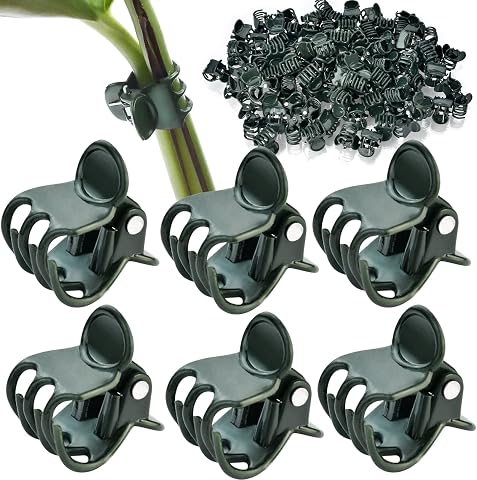
Complete the kit


Key Takeaways
- Standalone controllers offer more flexibility: The Inkbird ITC-308 Digital and Wi-Fi models can suit growers who already own a compatible heater and want heating and cooling control in one controller.
- Integrated heater-and-thermostat units simplify setup: The SmterCon, TRUSTECH, and Fanspex models combine heat and temperature control, reducing the number of separate components to arrange.
- Two sensors address a different problem than Wi-Fi: The Inkbird ITC-608T is aimed at monitoring more than one greenhouse location, while Wi-Fi connectivity helps with remote checks and adjustments.
- Controller ratings must match the load: The DEWENWILS and other outlet controllers need to be paired with equipment whose electrical requirements fit the controller’s limits.
- Heating-only needs can call for a simpler setup: Buyers who do not need cooling control or remote access may prefer a basic controller or integrated heater over a more feature-rich unit.
| SmterCon Greenhouse Heater with Digital Thermostat |  | Best Integrated Heater-Thermostat | Power: 1500 watts | Heating method: Convection | Temperature control: Digital thermostat with automatic power control | VIEW LATEST PRICE | See Our Full Breakdown |
| DEWENWILS 15A Heating and Cooling Temperature Controller Outlet |  | Best for Wide-Range Control | Temperature control: Heating and cooling | Temperature range: -40°F to 210°F | Temperature precision: 0.1°F | VIEW LATEST PRICE | See Our Full Breakdown |
| BN-LINK Digital Reptile Thermostat Temperature Controller |  | Best Simple Heating Controller | Temperature range: 40–108°F | Maximum load: 1000 W, 8.3 A | Voltage: 120 VAC, 60 Hz | VIEW LATEST PRICE | See Our Full Breakdown |
| Inkbird ITC-308 Wi-Fi Temperature Controller with Heating and Cooling |  | Best for Remote Monitoring | Connectivity: 2.4 GHz Wi-Fi | App: InkbirdSmart for Android and iOS 13 or later | Relay output: Dual relay for heating and cooling | VIEW LATEST PRICE | See Our Full Breakdown |
| Inkbird ITC-308 Digital Temperature Controller |  | Best Non-Wi-Fi Dual-Relay Pick | Temperature control: Heating and cooling | Display: LCD with measured and set temperatures | Temperature units: Celsius and Fahrenheit | VIEW LATEST PRICE | See Our Full Breakdown |
| 1500W Greenhouse Heater with Thermostat for Outdoor, Patio & Garage |  | Best for Small Greenhouses | Power output: 1500 W | Modes: High (1500 W), low (750 W), fan only | Thermostat range: 32°F to 99°F | VIEW LATEST PRICE | See Our Full Breakdown |
| Ecoartheating Digital Temperature Controller Outlet with Cyclic Timer |  | Best for Precise Outlet Control | Model: ECOT02 | Control: Heating and cooling | Temperature range: -40°F to 210°F | VIEW LATEST PRICE | See Our Full Breakdown |
| Inkbird ITC-608T Dual Temperature Controller with Two Sensors |  | Best for Multi-Condition Greenhouse Control | Model: ITC-608T | Control modes: Heating and cooling, humidity, temperature and humidity, dual temperature | Temperature range: -40°F to 212°F | VIEW LATEST PRICE | See Our Full Breakdown |
| VIVOSUN 1500W Digital Temperature Controller with Heating and Cooling Modes |  | Best for Heating-and-Cooling Control | Control outputs: Dual relay, heating and cooling | Temperature operating range: -22°F to 167°F | Control range: -58°F to 248°F | VIEW LATEST PRICE | See Our Full Breakdown |
| TRUSTECH 1500W Greenhouse Heater with Digital Thermostat |  | Best for Broader Small-Space Coverage | Model: PTC-1500R | Power: 1500 W | Heating modes: 750 W, 1500 W, fan only | VIEW LATEST PRICE | See Our Full Breakdown |
| Fanspex 1500W Portable Greenhouse Heater with Digital Thermostat |  | Best All-in-One Heater for Small Greenhouses | Heating power: 1500 watts | Heating element and method: PTC ceramic; forced air | Temperature range: 35–99°F | VIEW LATEST PRICE | See Our Full Breakdown |
| ZILLSEA Digital Temperature Controller with Heating and Cooling Modes |  | Best for Flexible Timer Control | Temperature range: -40°F to 210°F | Specified temperature accuracy: 0.1°F | Load capacity: 15A / 1800W resistive load | VIEW LATEST PRICE | See Our Full Breakdown |
| DEWENWILS 15A Heating and Cooling Temperature Controller Outlet |  | Best for Readable Monitoring | Temperature range: -40°F to 210°F | Temperature precision: 0.1°F | Maximum load: 15A / 1800W | VIEW LATEST PRICE | See Our Full Breakdown |
| greenhouse heater thermostat | Display | Temperature range |
|---|---|---|
| SmterCon Greenhouse Heater wit | — | — |
| DEWENWILS 15A Heating and Cool | Digital VA display | -40°F to 210°F |
| BN-LINK Digital Reptile Thermo | LED | 40–108°F |
| Inkbird ITC-308 Wi-Fi Temperat | LCD | — |
| Inkbird ITC-308 Digital Temper | LCD with measured and set temperatures | — |
| 1500W Greenhouse Heater with T | — | — |
| Ecoartheating Digital Temperat | — | -40°F to 210°F |
| Inkbird ITC-608T Dual Temperat | Digital dual PV and SV windows | -40°F to 212°F |
| VIVOSUN 1500W Digital Temperat | Dual LED, °C or °F | — |
| TRUSTECH 1500W Greenhouse Heat | — | — |
| Fanspex 1500W Portable Greenho | — | 35–99°F |
| ZILLSEA Digital Temperature Co | Backlit LCD; stays on for about 30 seconds after operation | -40°F to 210°F |
| DEWENWILS 15A Heating and Cool | VA | -40°F to 210°F |
More Details on Our Top Picks
SmterCon Greenhouse Heater with Digital Thermostat
The SmterCon is the most direct choice here for someone who needs both heat and automatic temperature control in one unit. Its digital thermostat switches the heater on and off at the selected setting, so there is no separate controller to wire between the outlet and heater. Compared with the DEWENWILS HTCS02B1, which can control other compatible equipment and handle cooling too, the SmterCon is less flexible but simpler as a dedicated greenhouse heater. Its 1500W output and coverage up to 120 sq. ft. suit a small growing space, while adjustable ventilation can help move warm air around. The tradeoff is its limited coverage and reliance on a nearby electrical supply; it is not a standalone thermostat for a heater you already own.
Pros:- Automatically cycles the heater to maintain a selected temperature.
- Combines 1500W heating with adjustable ventilation.
- Includes overheat protection and fireproof materials.
- Compact floor-standing form is suited to smaller growing spaces.
Cons:- Coverage is limited to spaces up to 120 sq. ft.
- Requires electrical power and cannot control a separate existing heater.
- Does not offer the heating-and-cooling flexibility of the DEWENWILS controller.
Best for: Growers setting up a small greenhouse who want a heater and automatic thermostat together without adding a separate controller.
Not ideal for: Owners of an existing heater or spaces larger than 120 sq. ft.; this is an integrated heater, not a universal plug-in thermostat.
- Power:1500 watts
- Heating method:Convection
- Temperature control:Digital thermostat with automatic power control
- Coverage:Up to 120 sq. ft.
- Thermostat amperage:15 A
- Dimensions:9.5 × 7.5 × 8.6 in
- Mounting type:Floor
Our verdict“Choose the SmterCon for a small greenhouse where an integrated heater and automatic thermostat matter more than broad equipment compatibility.”
DEWENWILS 15A Heating and Cooling Temperature Controller Outlet
The DEWENWILS stands out for growers who want one outlet controller to manage heating or cooling across a broad range, from -40°F to 210°F. Its 0.1°F adjustment precision, calibration, power memory, and timer modes give it more setup flexibility than the BN-LINK T7(H), which is limited to heating and a 40–108°F range. That breadth can be useful when the same controller may serve a greenhouse, incubator, or other temperature-sensitive setup. The 15A, 1800W maximum at 120V is higher than the Inkbird ITC-308 models’ stated 1100W limit, but buyers still need to check the connected device’s electrical load. The display and controls are specified inconsistently as touch and push button, and its Fahrenheit-only range may frustrate Celsius-first users.
Pros:- Controls both heating and cooling equipment.
- Wide -40°F to 210°F range with 0.1°F adjustment precision.
- Supports loads up to 15A and 1800W at 120V.
- Power memory, calibration, and multiple timer modes add setup flexibility.
Cons:- Temperature range and precision are specified in Fahrenheit only.
- The product data describes the controls as both touch and push button.
- Does not include a heater or temperature-controlled appliance.
Best for: Growers who want a plug-in controller for compatible heating and cooling equipment, need a wide Fahrenheit range, or plan to reuse it for other temperature-controlled setups.
Not ideal for: Celsius-first users or anyone who needs a dedicated heater included; this is a controller only, and its control interface description is inconsistent.
- Temperature control:Heating and cooling
- Temperature range:-40°F to 210°F
- Temperature precision:0.1°F
- Maximum current:15 A
- Maximum wattage:1800 W at 120 V
- Display:Digital VA display
- Timer modes:Cyclic timing, countdown ON, countdown OFF, countdown ON/OFF
- Additional features:Power memory and temperature calibration
Our verdict“Pick the DEWENWILS when broad Fahrenheit-range control and a higher stated load limit matter more than Celsius support or a clearly specified interface.”
BN-LINK Digital Reptile Thermostat Temperature Controller
For a grower who needs straightforward heat control rather than a multi-purpose climate system, the BN-LINK keeps the job focused: a probe measures temperature, and push-button settings switch a connected heating device on or off. It covers 40–108°F and supports Fahrenheit or Celsius, making it a more approachable greenhouse option than the Fahrenheit-only DEWENWILS controller for users who prefer metric settings. The tradeoff is that it controls heating devices only, unlike the Inkbird ITC-308, which also handles cooling. Its 1000W, 8.3A maximum load is also lower than the SmterCon heater’s 1500W rating, so check the connected heater’s requirements before buying. The wired probe and corded design suit a fixed station, but offer less reach and versatility than app-connected control.
Pros:- Probe-based temperature monitoring supports placement near plants or seedlings.
- Offers Fahrenheit and Celsius settings.
- Simple push-button controls and an easy-to-read LED display.
- Works with several heating devices, including seedling mats and heat lamps.
Cons:- Heating-only operation does not control ventilation or cooling equipment.
- 40–108°F range is narrower than the DEWENWILS controller’s range.
- Maximum load of 1000W may rule out some greenhouse heaters.
Best for: Small greenhouse growers or seed starters who need a basic probe-based thermostat for a compatible heating mat, lamp, or lower-load heater.
Not ideal for: Users seeking cooling control, remote monitoring, or a controller for loads above 1000W; the BN-LINK is heating-only and has a narrower range.
- Temperature range:40–108°F
- Maximum load:1000 W, 8.3 A
- Voltage:120 VAC, 60 Hz
- Display:LED
- Temperature probe length:4.92 ft
- Power cord length:3.94 ft
- Control type:Push button
- Safety listing:ETL listed
Our verdict“Choose the BN-LINK for simple, lower-load heating control when a probe and Celsius settings matter more than cooling or remote features.”
Inkbird ITC-308 Wi-Fi Temperature Controller with Heating and Cooling
The Wi-Fi ITC-308 is the strongest fit for growers who want to check greenhouse temperature away from the site. Through the InkbirdSmart app, it reports probe readings and controls heating or cooling with dual relay output; high- and low-temperature alarms add a warning layer that the basic BN-LINK does not provide. It also supports both Celsius and Fahrenheit, unlike the DEWENWILS controller’s stated Fahrenheit-only settings. That extra visibility comes with a practical constraint: the controller requires 2.4 GHz Wi-Fi, so a weak or unavailable network limits its remote value. Its stated 1100W maximum at 110V is below the SmterCon’s 1500W heater rating, so this model is not a match for every greenhouse heater. Confirm appliance compatibility before connecting it.
Pros:- App-based monitoring provides access to temperature readings away from the greenhouse.
- Dual relay output supports heating and cooling equipment.
- High- and low-temperature alarms can flag conditions outside set limits.
- Supports Celsius and Fahrenheit with temperature calibration.
Cons:- Remote functions require a 2.4 GHz Wi-Fi connection.
- Maximum output is 1100W at 110V, below the SmterCon heater’s 1500W rating.
- Adds app and network setup compared with the non-Wi-Fi Inkbird ITC-308.
Best for: Greenhouse owners with reliable 2.4 GHz Wi-Fi who want app-based temperature checks and alerts while away from the growing space.
Not ideal for: Growers without dependable 2.4 GHz Wi-Fi or those using heaters above the stated 1100W output limit.
- Connectivity:2.4 GHz Wi-Fi
- App:InkbirdSmart for Android and iOS 13 or later
- Relay output:Dual relay for heating and cooling
- Maximum output load:1100 W at 110 V
- Temperature units:Celsius and Fahrenheit
- Display:LCD
- Alarms:High- and low-temperature limits
- Mounting type:Wall mount
Our verdict“Choose this Wi-Fi Inkbird if remote checks and temperature alerts are worth the network requirement and your connected equipment stays within its load limit.”
Inkbird ITC-308 Digital Temperature Controller
The non-Wi-Fi Inkbird ITC-308 suits growers who want heating and cooling control without relying on an app or wireless network. Its LCD shows measured and target temperatures at the same time, which makes routine checks clearer than the BN-LINK’s simpler LED display. It also supports Celsius and Fahrenheit and includes high- and low-temperature alarms. Compared with the Wi-Fi ITC-308, this version gives up remote monitoring but keeps the core dual-relay approach in a more direct, button-controlled setup. The key limitation is electrical capacity: its 1100W maximum at 110V is below the SmterCon’s 1500W rating, so it may not suit that heater. Compressor delay is useful for refrigeration equipment, though less central to greenhouse heating.
Pros:- Dual relays control compatible heating and cooling equipment.
- LCD displays measured and target temperatures together.
- Supports Celsius and Fahrenheit.
- High- and low-temperature alarms and compressor delay add control options.
Cons:- 1100W maximum output at 110V is below the SmterCon heater’s 1500W rating.
- No Wi-Fi or app-based remote monitoring, unlike the Wi-Fi ITC-308.
- Button controls and wall-mount format may be less convenient for a portable setup.
Best for: Growers who need local control of compatible heating and cooling equipment, want simultaneous actual and target readings, and prefer not to depend on Wi-Fi.
Not ideal for: Owners of heaters above 1100W at 110V or growers who need to monitor conditions remotely; this model has neither the stated capacity nor Wi-Fi features for those needs.
- Temperature control:Heating and cooling
- Display:LCD with measured and set temperatures
- Temperature units:Celsius and Fahrenheit
- Voltage:110 V
- Maximum output load:1100 W
- Mounting type:Wall mount
- Included components:Temperature probe, socket, controller panel
- Dimensions:1.3 × 2.68 × 5.51 in (D × W × H)
Our verdict“Pick the standard ITC-308 for local dual-relay greenhouse control when its 1100W limit fits your equipment and remote monitoring is unnecessary.”
1500W Greenhouse Heater with Thermostat for Outdoor, Patio & Garage
Unlike the separate outlet controllers in this roundup, this product combines a heater and thermostat, so it is a simpler choice when you need both pieces for a small growing space. Its thermostat adjusts from 32°F to 99°F, while high, low, and fan-only modes let you reduce heat output or circulate air. The 24-hour timer and remote control make routine adjustments easier without reaching the unit. At up to 120 square feet of stated coverage, it suits a compact greenhouse better than a larger or divided structure. Compared with the TRUSTECH 1500W Greenhouse Heater, it offers a lower minimum thermostat setting and child lock, but its listed coverage is smaller. The main tradeoff is that it is a heater-specific solution, not a controller for equipment you already own.
Pros:- Combines a heater and adjustable thermostat, avoiding separate controller setup.
- Three modes provide high heat, reduced heat, and fan-only operation.
- Remote control and 24-hour timer simplify routine adjustments.
- Includes overheat protection and a child lock.
Cons:- Stated coverage of up to 120 square feet limits its use in larger greenhouses.
- Does not provide the flexible, separate equipment control of the Ecoartheating outlet controller.
- Requires a 120 V supply and draws up to 12.5 A.
Best for: Growers with a compact greenhouse up to about 120 square feet who want a heater, thermostat, timer, and remote in one unit.
Not ideal for: Owners of larger greenhouses or buyers who need a standalone thermostat to control a separate heater.
- Power output:1500 W
- Modes:High (1500 W), low (750 W), fan only
- Thermostat range:32°F to 99°F
- Timer:24-hour
- Coverage area:Up to 120 sq ft
- Voltage and amperage:120 V, 12.5 A
- Weight:4.3 lb
- Safety features:Overheat protection, child lock
Our verdict“Choose this all-in-one heater for a small greenhouse where straightforward thermostat control matters more than managing separate equipment.”
Ecoartheating Digital Temperature Controller Outlet with Cyclic Timer
This plug-in controller is a strong fit for growers who already own a heater and want fine temperature adjustments rather than another heater unit. Its 0.1°F setting precision and broad -40°F to 210°F range give it more adjustment flexibility than the heater-integrated thermostats on the 1500W Greenhouse Heater and the TRUSTECH model. It can also switch between heating and cooling control, and power memory helps retain settings after an outage. Cyclic and countdown timer modes add options for equipment schedules beyond simple temperature switching. The tradeoff is a more hands-on setup: its button controls require configuration, and it works from a 120 V outlet with equipment rated no higher than 15 A and 1800 W. The VIVOSUN controller adds separate heating and cooling settings and alerts; this Ecoartheating pick instead stands out for its finer stated temperature precision and timer choices.
Pros:- Adjusts temperature in stated 0.1°F increments across a wide range.
- Controls heating or cooling equipment.
- Cyclic and countdown timer modes support varied schedules.
- Power memory and temperature calibration add useful control options.
Cons:- Requires manual setup through push-button controls.
- Limited to 120 V devices rated up to 15 A and 1800 W.
- Does not include a heater, unlike the 1500W Greenhouse Heater.
Best for: Greenhouse owners with an existing 120 V heater who want fine temperature adjustment, timer flexibility, and a compact plug-in controller.
Not ideal for: Buyers seeking a ready-to-use heater, or anyone whose equipment exceeds the controller’s 15 A and 1800 W limits.
- Model:ECOT02
- Control:Heating and cooling
- Temperature range:-40°F to 210°F
- Temperature precision:0.1°F
- Maximum load:15 A, 1800 W
- Voltage:120 V
- Timer modes:Cyclic, countdown on, countdown off, countdown on/off
- Additional features:Power memory, temperature calibration
Our verdict“Pick this outlet controller if you already have compatible greenhouse equipment and want precise settings plus several timer modes.”
Inkbird ITC-608T Dual Temperature Controller with Two Sensors
The ITC-608T is the most adaptable choice here for a greenhouse where temperature and humidity management may involve multiple pieces of equipment. Its modes cover heating and cooling, humidity, combined temperature and humidity, and dual temperature control; two included probes support more than one measurement point. That makes it a broader environmental controller than the simpler Ecoartheating outlet, which focuses on temperature switching and timer modes. A saved-settings function helps preserve configuration after a power loss, while compressor delay protection is useful when the system also controls cooling equipment. There is a qualification: humidity management requires a compatible humidity sensor, so the included probes alone do not make every mode ready to use. It is also a wired, mounted controller rather than a portable plug-in unit like the VIVOSUN.
Pros:- Offers several temperature and humidity control configurations.
- Includes two temperature probes for multiple measurement points.
- Retains settings after power loss.
- Compressor delay protection supports setups that control cooling equipment.
Cons:- Humidity control requires a compatible humidity sensor.
- Wired mounting takes more setup than the Ecoartheating plug-in controller.
- Its 1800 W maximum load limits the equipment it can control.
Best for: Greenhouse growers managing multiple temperature zones or planning to coordinate heating, cooling, and humidity equipment.
Not ideal for: Beginners who want a basic plug-in thermostat, or buyers expecting the included probes to provide humidity sensing without a compatible sensor.
- Model:ITC-608T
- Control modes:Heating and cooling, humidity, temperature and humidity, dual temperature
- Temperature range:-40°F to 212°F
- Maximum load:120 V, 15 A, 1800 W
- Display:Digital dual PV and SV windows
- Included sensors:Two temperature probes
- Mounting:Hook mount
- Certification:ETL listed
Our verdict“Choose the ITC-608T for a more involved greenhouse setup that benefits from two temperature probes and configurable environmental control.”
VIVOSUN 1500W Digital Temperature Controller with Heating and Cooling Modes
For a greenhouse that needs both heat and cooling equipment controlled from one unit, the VIVOSUN is the clearest fit in this group. Its dual relay output supports separate heating and cooling settings, while the dual LED display shows the measured and target temperatures together. A six-foot waterproof probe gives more flexibility in sensor placement than the Ecoartheating controller’s listed product dimensions suggest, and alerts for temperature limits or sensor faults can flag problems that a basic thermostat may not call out. Compared with the Inkbird ITC-608T, this model is more straightforwardly focused on simultaneous heating and cooling rather than broader humidity and dual-temperature configurations. Its stated operating range tops out at 167°F, and push-button setup may feel less convenient than a simple heater thermostat. It controls compatible equipment; it is not itself a heater.
Pros:- Dual relay output supports separate heating and cooling settings.
- Dual LED display shows measured and set temperatures at once.
- Six-foot waterproof probe allows flexible sensor placement.
- Includes temperature and sensor alerts plus compressor delay protection.
Cons:- Temperature operating range is listed as -22°F to 167°F.
- Push-button controls require manual setup and adjustment.
- Controls equipment rather than supplying heat like the TRUSTECH heater.
Best for: Growers with separate heating and cooling equipment who want distinct setpoints, a waterproof probe, and fault alerts.
Not ideal for: Buyers who need humidity control, broader configuration options, or an all-in-one heater with a built-in thermostat.
- Control outputs:Dual relay, heating and cooling
- Temperature operating range:-22°F to 167°F
- Control range:-58°F to 248°F
- Maximum output:1500 W
- Voltage and current:110–240 V, 20 A
- Display:Dual LED, °C or °F
- Sensor probe:6 ft, waterproof
- Alerts and protection:High- and low-temperature alerts, sensor fault alert, compressor delay
Our verdict“Choose the VIVOSUN when your greenhouse needs one controller to manage separate heating and cooling equipment with alerts.”
TRUSTECH 1500W Greenhouse Heater with Digital Thermostat
The TRUSTECH pairs a portable heater with a digital thermostat, making it a practical alternative to standalone controllers when you need heat in a small greenhouse without assembling a separate system. Its 750 W and 1500 W settings let you choose between lower and higher output, and fan-only mode provides air movement without heat. The stated coverage reaches up to 160 square feet, more than the 120 square feet listed for the 1500W Greenhouse Heater, though both are best treated as compact-space options. Its thermostat reaches 108°F, above that other heater’s 99°F maximum, but starts at 40°F rather than 32°F. A 90° adjustable tilt and 7.5-foot cord help with placement. Unlike the heater with a remote and timer, the supplied details do not list either feature here.
Pros:- Two heat levels and a fan-only mode offer more operating choices than a single-output heater.
- Listed coverage of up to 160 square feet exceeds the 1500W Greenhouse Heater’s stated 120 square feet.
- 90° adjustable tilt helps direct airflow where needed.
- Includes a handle, 7.5-foot cord, and overheat protection.
Cons:- Thermostat range begins at 40°F, higher than the 32°F minimum on the 1500W Greenhouse Heater.
- Maximum output is 1500 W, which may not suit larger or poorly insulated spaces.
- The supplied product details do not list a timer or remote control.
Best for: Owners of small greenhouses who want a portable heater with two heat levels, fan-only operation, and flexible aiming.
Not ideal for: Growers who need thermostat settings below 40°F, remote operation, or timer scheduling.
- Model:PTC-1500R
- Power:1500 W
- Heating modes:750 W, 1500 W, fan only
- Thermostat range:40°F–108°F
- Coverage:Up to 160 sq ft
- Voltage:120 V
- Tilt and cord:90° adjustable tilt; 7.5 ft cord
- Placement:Floor or tabletop
Our verdict“Pick the TRUSTECH for a small greenhouse where wider stated coverage and adjustable airflow matter more than remote or timer controls.”
Fanspex 1500W Portable Greenhouse Heater with Digital Thermostat
The Fanspex is the most self-contained option here: its 1500W ceramic heater produces forced air while the digital thermostat regulates the target temperature from 35–99°F. That makes it a better fit for someone who needs both heat and temperature control in one portable unit than the ZILLSEA or DEWENWILS, which are controllers that require a separate heater. Its remote control, three modes, and 24-hour timer also make routine adjustments easier without walking into a grow space. The tradeoff is coverage: it is recommended for spaces up to 120 square feet, and larger greenhouses may need multiple units. It also draws 12.5A, so check that the intended circuit can support it. The listed dimensions have no clear unit, which makes storage planning less certain.
Pros:- Combines a 1500W heater and adjustable digital thermostat in one portable unit
- High, low, and fan-only modes offer more operating choices than a heat-only setup
- Remote control and a 24-hour timer reduce the need for manual adjustments
- Child lock adds a control safeguard
Cons:- Recommended coverage is limited to spaces up to 120 square feet; larger areas may need multiple heaters
- At 12.5A, it requires attention to the capacity of the circuit it will use
- Dimension figures are listed without a reliable unit, complicating fit checks
Best for: Growers heating a small greenhouse or grow tent who want a portable heater with thermostat control and remote operation in one unit
Not ideal for: Owners of larger greenhouses who need broad, even heat from one device, or buyers seeking a standalone controller for an existing heater
- Heating power:1500 watts
- Heating element and method:PTC ceramic; forced air
- Temperature range:35–99°F
- Recommended coverage:Up to 120 square feet
- Operating modes:High, low, fan only
- Timer:24 hours
- Controls:Digital thermostat and remote control
- Electrical requirements:110 volts; 12.5 A
- Weight:4.3 pounds
Our verdict“Choose the Fanspex if you want a portable heater with built-in thermostat control for a small greenhouse, but choose a separate controller such as the ZILLSEA for an existing heater.”
ZILLSEA Digital Temperature Controller with Heating and Cooling Modes
The ZILLSEA suits greenhouse owners who want a plug-in controller with several timing options, not another heater taking up floor space. It switches compatible equipment for heating or cooling and adds cycle, delay, and countdown modes, giving it more scheduling flexibility than the Fanspex heater’s 24-hour timer. Its -40°F to 210°F range also supports uses beyond ordinary greenhouse air temperatures, while calibration and reset functions provide useful setup controls. The main tradeoff is that it does not produce heat itself: buyers need a compatible heater or cooling device and must stay within its 15A / 1800W resistive-load limit. Compared with the DEWENWILS controller, the ZILLSEA specifies a backlit LCD, but the light stays on for only about 30 seconds after operation, so frequent checking may require pressing a button.
Pros:- Controls compatible heating and cooling equipment
- Offers cycle, delay-on, delay-off, and countdown timing modes
- Temperature calibration and factory reset support setup adjustments
- Backlit LCD displays temperature readings
Cons:- Requires separate heating or cooling equipment and does not generate heat itself
- LCD backlight stays on for only about 30 seconds after operation
- Maximum rating is limited to 15A / 1800W for resistive loads
Best for: Greenhouse growers who already own compatible heating or cooling equipment and want multiple timer modes alongside temperature switching
Not ideal for: Buyers seeking a complete heater, or anyone whose connected equipment exceeds the controller’s 15A / 1800W resistive-load limit
- Temperature range:-40°F to 210°F
- Specified temperature accuracy:0.1°F
- Load capacity:15A / 1800W resistive load
- Voltage:120V AC
- Control modes:Heating, cooling, cycle timer, delay ON, delay OFF, countdown
- Display:Backlit LCD; stays on for about 30 seconds after operation
- Controls:Push-button
- Included components:Temperature controller, temperature probe, manual
- Warranty:1 year
Our verdict“Pick the ZILLSEA if your greenhouse already has compatible equipment and timer flexibility matters more than having a heater built into the same unit.”
DEWENWILS 15A Heating and Cooling Temperature Controller Outlet
The DEWENWILS is a practical choice when reading the controller at a glance matters: its VA display is designed to remain legible in dim conditions, a useful distinction from the ZILLSEA’s backlight, which stays on for about 30 seconds after operation. Both controllers offer heating and cooling, a broad temperature range, and a 15A / 1800W maximum, so the choice comes down more to display and control details than basic capacity. The DEWENWILS adds power memory, calibration, and several timing modes, which help preserve settings and tailor equipment cycles. It remains a plug-in controller rather than a heater, and its button-based operation may feel less convenient to buyers expecting app controls. Wi-Fi is listed as a connectivity protocol, but its stated function is unclear, so I would not choose it on the assumption of remote app access.
Pros:- Heating and cooling control covers a wide -40°F to 210°F range
- VA display is designed for readability in dim environments
- Power memory and temperature calibration add useful control features
- Cyclic and countdown timing modes allow different operating schedules
Cons:- Does not provide heat; a separate compatible device is required
- No app control is described despite Wi-Fi being listed as a connectivity protocol
- Maximum supported load is 15A / 1800W
Best for: Greenhouse owners using a separate compatible heater who want a controller display that is easier to read in dim spaces and settings that can survive power loss
Not ideal for: Buyers who need an all-in-one heater, want confirmed app-based control, or need to connect equipment above 15A / 1800W
- Temperature range:-40°F to 210°F
- Temperature precision:0.1°F
- Maximum load:15A / 1800W
- Voltage:120V
- Control:Push-button; touch control method listed
- Display:VA
- Timing modes:Cyclic timing, countdown on, countdown off, countdown on/off
- Additional features:Power memory, temperature calibration
- Warranty:1 year manufacturer
Our verdict“Choose the DEWENWILS if you need a separate greenhouse controller with a display suited to dim conditions, but verify its connectivity details before expecting remote control.”

How We Picked
I compared these greenhouse heater thermostats by the work they need to do in a real growing setup: regulate heat, respond to temperature changes, and fit safely with the equipment being controlled. I looked at whether each option is an integrated heater or a separate controller, whether it supports heating and cooling, how its sensor arrangement affects placement, and how much setup the buyer must manage. I also considered practical differences such as remote access, timing features, and the usefulness of multiple control channels.
The ranking favors useful temperature control with a manageable setup, then gives additional weight to versatility and distinctive capabilities. That places the Inkbird ITC-308 Digital ahead as a balanced standalone controller, with the Wi-Fi version serving buyers who value remote access and the ITC-608T addressing more complex sensor needs. Integrated heaters rank well for simplicity, while specialized or less clearly differentiated controllers sit lower because their appeal depends on a narrower setup. The list includes two DEWENWILS entries with the same stated model name; I treat them as the same product rather than implying a difference the supplied information does not establish.
Factors to Consider When Choosing Greenhouse Heater Thermostats
Choosing among greenhouse heater thermostats starts with the greenhouse, the heater, and the way you monitor temperature—not with the number of features on the control box. I use these questions to separate a simple plug-in setup from a more involved system and to avoid common mismatches.
Choose Between an Integrated Heater and a Separate Controller
An integrated heater and thermostat keeps the equipment count down and can be easier to place in a small greenhouse. A separate controller is more adaptable if you already own a heater or want the option to change equipment later. That flexibility comes with extra work: you must check compatibility, route the sensor, and make sure the heater responds properly when the controller switches power. Avoid buying a controller just because it has more functions if your setup only needs one heat source and a basic temperature target. Decide whether convenience now or flexibility later matters more to your growing setup.
Match Electrical Capacity to the Heater
Before connecting a controller, check the heater’s voltage, current draw, and plug requirements against the controller’s stated electrical limits. A controller’s advertised power rating does not make every heater compatible, and extension cords or shared outlets can add risk. Do not rely on a thermostat’s temperature features to compensate for an electrical mismatch. If the heater draws more than the controller can handle, choose equipment rated for the load or ask a qualified electrician about a suitable installation. This compatibility check is more useful than comparing displays or app features.
Plan Sensor Placement Around Plant-Level Conditions
A thermostat can only respond to the temperature its sensor reads, so placement affects how well it serves plants. A sensor too close to the heater may shut the system off while colder areas remain, while one near a draft or cold wall may keep heating longer than needed. Aim for a representative growing area, away from direct heater output, doors, and strong sun. In a long or divided greenhouse, one reading may not reflect every bed; that is where a multi-sensor setup can justify its added complexity. Check the sensor cable length and mounting options before choosing a controller.
Decide Whether Cooling Control and Remote Access Matter
Heating-and-cooling controllers can switch compatible equipment for both cold nights and warm daytime conditions, but they only help if you have suitable devices for each job. If you only run a heater, cooling functions may add setup choices without changing your routine. Wi-Fi access can be useful when the greenhouse is away from the house or conditions change while you are out, but it depends on a reliable connection and does not replace checking the equipment itself. A local display is often simpler for a greenhouse beside the home. Choose remote features for a specific monitoring need, not just because they are available.
Set a Temperature Range, Not Just a Single Target
Thermostats often let users set a target and a tolerance or switching differential. That range helps prevent frequent on-and-off cycling when the temperature hovers near the set point. The right settings depend on the crops, the greenhouse’s heat loss, and how quickly the heater warms the space; a small enclosure can react much faster than a large one. Start with the plants’ temperature needs and check readings at plant height before adjusting the control range. Buying a more elaborate thermostat will not fix a poorly chosen set point or an undersized heater.
Pay for Extra Channels Only When You Can Use Them
Multiple sensors, separate outlets, and timers can support more involved greenhouse routines, but each adds decisions and possible setup errors. A second sensor is useful when different areas need monitoring; a timer helps only when timed operation fits the equipment and growing plan. For a single heater in a compact greenhouse, a basic controller may be easier to operate and troubleshoot. Make a short list of the control tasks you actually need before paying for added functions. If you cannot name a task a feature will handle, a simpler model is often the clearer choice.
Frequently Asked Questions
Can I use a plug-in temperature controller with any greenhouse heater?
No. The heater’s electrical load, plug type, and operating requirements must fit the controller’s limits. Check the specifications for both devices before connecting them, and avoid assuming that a familiar plug means the pairing is suitable. Some heaters may have controls or safety systems that affect how they respond to switched power. If the match is unclear, use the heater maker’s guidance or ask a qualified electrician.
Is a Wi-Fi thermostat worth choosing if my greenhouse is close to home?
It can help if you want to check temperatures or adjust settings without walking out to the greenhouse, but proximity alone does not determine its value. Consider whether the greenhouse has a dependable wireless connection and whether remote changes are part of your routine. If you are comfortable checking a local display, a non-connected controller may be easier to manage. Remote access also does not replace a correctly placed sensor or a heater suited to the space.
Do I need a thermostat with both heating and cooling modes?
Choose both modes only if you plan to control compatible heating and cooling equipment. A greenhouse that uses a heater alone may gain little from cooling control, while a setup with a fan or other cooling device may benefit from coordinated temperature switching. Confirm that the controller’s outlets and ratings match the devices you intend to operate. If those devices are not part of your plan, simpler heating control can mean fewer settings to manage.
Where should I place the thermostat sensor in a greenhouse?
Place it near the plants whose conditions you care about, at a representative height, and away from direct heater airflow, sunlight, and exterior drafts. A sensor beside the heater may report a warmer pocket than the rest of the greenhouse, causing the system to stop heating too soon. In a large space, check several locations with a separate thermometer before deciding where one sensor belongs. If readings vary widely by area, a multi-sensor controller may be more useful than repeatedly moving a single sensor.
Should I choose a standalone thermostat or a greenhouse heater with a built-in thermostat?
A built-in thermostat is a simpler route when you need one heater and prefer fewer components. A standalone controller can make more sense if you already own compatible heating equipment, want cooling control, or expect to change the setup later. The tradeoff is that separate components require compatibility checks and more careful sensor placement. Compare the total setup you need, not only the thermostat’s feature list, before deciding.
Conclusion
For most growers who want a flexible controller without adding a complex system, I recommend the Inkbird ITC-308 Digital Temperature Controller as the best overall pick. The DEWENWILS 15A Heating and Cooling Temperature Controller Outlet is my best value direction for buyers seeking a straightforward outlet controller, provided its rating suits their equipment; the supplied lineup lists this model twice, not as two distinct options. For the best premium fit, I would choose the Inkbird ITC-308 Wi-Fi when remote monitoring matters, while the Inkbird ITC-608T is the more specific choice for growers who need two sensors and separate control channels. Beginners who want fewer components should look at an integrated heater such as the SmterCon Greenhouse Heater with Digital Thermostat. If your priority is managing multiple greenhouse areas rather than checking conditions remotely, choose the ITC-608T; if you only need basic heat control, favor a simpler setup and put your effort into sensor placement and electrical compatibility.