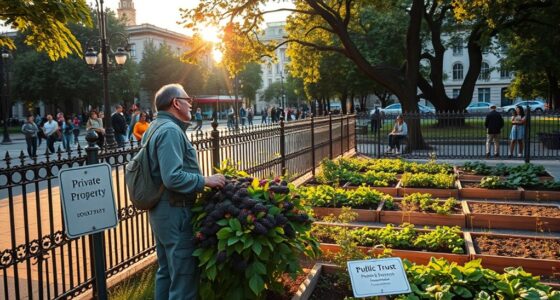
Urban Foraging Etiquette: Private Property & Public Trust
Keen urban foragers always respect property rights and public trust—discover essential etiquette tips to forage responsibly and ethically in your city.
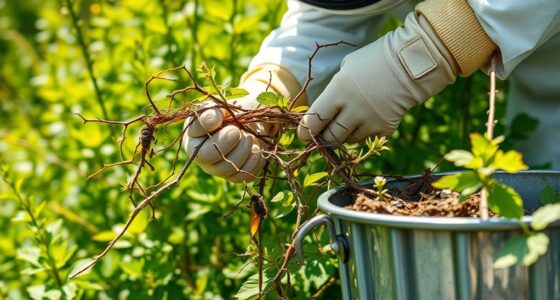
Learning safe invasive removal techniques is crucial for effective restoration—discover essential tips to protect yourself and restore ecosystems responsibly.
Avoiding Wildlife Conflict: Nesting Seasons & Den Sites
Otherwise, understanding nesting seasons and den sites is essential to prevent conflicts and ensure wildlife safety—discover how to protect them effectively.
Respecting Indigenous harvest protocols safeguards cultural practices and promotes reconciliation, but understanding how to do so requires careful attention and continued learning.
Rare Vs Abundant: Prioritizing Which Species to Harvest
Navigating the choice between rare and abundant species raises important questions about sustainability and ecological impact that you need to consider.
Sensitive Habitats: Wetlands, Dunes & Alpine Zones
An exploration of fragile habitats like wetlands, dunes, and alpine zones reveals vital ecosystems whose preservation is essential for our planet’s future.
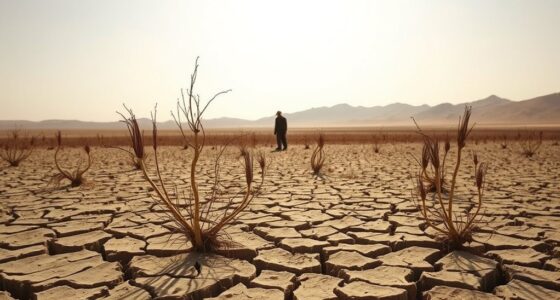
Observing plant stress signals during drought is essential to sustainable foraging; continue reading to learn how to protect ecosystems and ensure future harvests.
Personal Code of Conduct: Writing Your Forager’s Pledge
Discover how to craft a meaningful forager’s pledge that aligns with your values and principles, guiding your actions and building trust—continue reading to learn more.