If you’re choosing between pine, spruce, and fir needles for tea, pine needles are a top pick because they’re rich in vitamin C, antioxidants, and anti-inflammatory compounds. Spruce needles offer a milder, earthy flavor that’s great for immune support, while fir needles have a stronger pine aroma and similar health benefits. Each type brings unique qualities, so exploring more will help you find the best fit for your taste and wellness goals.
Key Takeaways
- Pine needles are high in vitamin C and antioxidants, making them excellent for immune support in tea.
- Spruce needles have a milder aroma and support immune health, suitable for those sensitive to strong flavors.
- Fir needles have a stronger pine flavor and aromatic profile, offering robust health benefits and a richer infusion.
- Safety is crucial; only harvest from healthy, uncontaminated trees to ensure safe tea preparation.
- Proper harvesting and preparation techniques maximize flavor, aroma, and health benefits of pine, spruce, and fir needle teas.
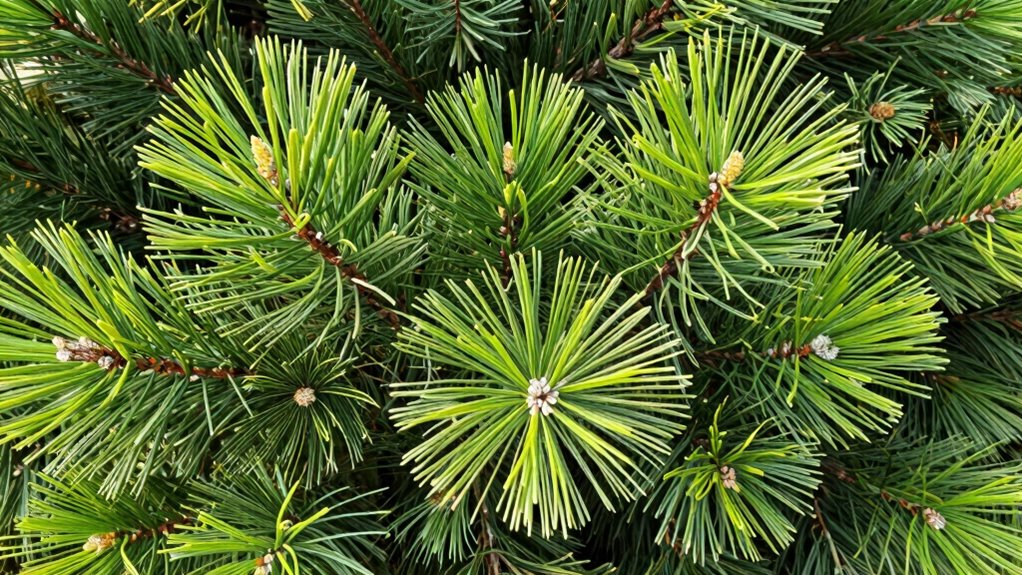
Have you ever wondered which evergreen needles make the best tea? If you’re interested in herbal infusion benefits, choosing the right needles is essential. Pine, spruce, and fir trees all offer different qualities, but not all needles are suitable or safe for tea. Knowing how to identify and harvest them properly can make a significant difference in both flavor and health benefits.
Choosing the right evergreen needles enhances flavor and health benefits in your herbal tea.
When it comes to needle harvesting techniques, safety and sustainability should be your top priorities. You want to pick fresh, green needles from healthy trees, avoiding any that show signs of disease or damage. Use sharp scissors or pruning shears to clip the needles, taking only what you’ll need to prevent harming the tree. Avoid stripping branches in a way that could harm the plant’s growth. Ideally, harvest in the early morning when the needles are at their most potent and aromatic, ensuring you’re collecting the freshest herbs possible.
In terms of herbal infusion benefits, pine needles are often considered among the most beneficial. They contain high levels of vitamin C, antioxidants, and anti-inflammatory compounds, making them a popular choice for teas aimed at boosting immunity or soothing respiratory issues. Pine needles also impart a fresh, invigorating flavor that’s both woody and slightly sweet, which many find pleasant. Spruce needles are similar but tend to have a milder aroma. They also offer vitamin C and other nutrients, supporting immune health and providing a calming, earthy taste to your tea. Fir needles are slightly more aromatic and have a more intense pine flavor, making them ideal if you’re seeking a stronger herbal infusion. They carry similar health benefits, including antioxidants that help combat oxidative stress.
Additionally, understanding the contrast ratio of different plant sources can help you select the most vibrant and appealing herbs for your teas. When preparing your tea, remember that proper needle harvesting techniques help preserve the tree’s health and ensure you’re getting the best quality herbs. Always wash the needles thoroughly to remove any dirt or insects. Use hot water to steep them, usually for about 10-15 minutes, depending on how strong you want the flavor. Strain out the needles before drinking, and consider adding honey or lemon to enhance the taste. Experimenting with different types of needles can help you discover your favorite herbal infusion benefits, whether you’re seeking immune support, relaxation, or simply a refreshing, natural beverage.
pine needle tea herbs
As an affiliate, we earn on qualifying purchases.
As an affiliate, we earn on qualifying purchases.
Frequently Asked Questions
Are Pine, Spruce, and Fir Needles Safe for Children to Consume?
Pine, spruce, and fir needles aren’t recommended for children’s consumption due to safety concerns. You should prioritize child safety, as consuming these needles could pose health risks like stomach upset or allergic reactions. It’s best to avoid giving them any needles or teas made from these trees without consulting a healthcare professional. Protect your child’s health by choosing safe, child-friendly herbal options instead of potentially risky plant materials.
How Long Do Homemade Pine, Spruce, or Fir Needle Teas Last?
Did you know homemade needle teas typically last 3 to 5 days? When needle harvesting and tea storage, it’s crucial to keep your tea in an airtight container in the refrigerator to preserve freshness and safety. Always check for signs of spoilage before drinking. For longer storage, consider freezing small portions. Proper storage ensures you enjoy your herbal tea safely while retaining its beneficial properties.
Can Needle Tea Be Used for Medicinal Purposes?
Yes, needle tea can be used for medicinal purposes. You harness herbal synergy by drinking teas made from pine, spruce, or fir needles, which have traditional uses for treating colds, coughs, and respiratory issues. These teas contain vitamin C and antioxidants that support your immune system. However, always consult with a healthcare professional before using needle tea medicinally, especially if you’re pregnant or have health concerns.
Are There Any Side Effects From Drinking Needle Teas?
Like steering through a forest with hidden paths, you should be aware of potential side effects from needle teas. While they offer nutritional benefits and may contain caffeine, overconsumption can lead to stomach upset, allergic reactions, or interfere with medications. It’s best to enjoy these teas in moderation and consult a healthcare professional if you experience adverse effects, ensuring your journey remains safe and beneficial.
What Are the Environmental Impacts of Harvesting These Needles?
Harvesting pine, spruce, and fir needles can impact the environment if not done sustainably. You should prioritize sustainable harvesting practices, which guarantee that trees aren’t damaged or overexploited. By supporting forest conservation efforts, you help protect ecosystems and maintain biodiversity. Responsible collection minimizes habitat disruption, preserves tree health, and promotes long-term forest stability, allowing future generations to enjoy these natural resources while reducing adverse environmental impacts.
spruce needle tea leaves
As an affiliate, we earn on qualifying purchases.
As an affiliate, we earn on qualifying purchases.
Conclusion
When it comes to choosing the best needles for tea, you hold the power to craft a soothing, aromatic brew. Whether you prefer the pine’s boldness, the spruce’s crispness, or the fir’s gentle notes, each offers a unique experience. Think of it as discovering the secret garden of flavors—your own personal paradise in a cup. So go ahead, experiment, and find the needle that transforms your tea into a sip of pure magic.
fir needle herbal tea
As an affiliate, we earn on qualifying purchases.
As an affiliate, we earn on qualifying purchases.
evergreen needle tea collection
As an affiliate, we earn on qualifying purchases.
As an affiliate, we earn on qualifying purchases.