Understanding a site’s history is key to safe, sustainable plant harvesting. Past land uses like industrial activity, waste disposal, or pesticide use can leave harmful residues in soil and plants. These contaminants may pose health risks or reduce plant quality. Recognizing how land has been used helps you assess contamination risks, identify invasive species, and choose the best location for harvesting. Keep exploring to discover more tips on ensuring safe and eco-friendly practices.
Get ready for Prime Big Deal Days — try Prime free
Exclusive member deals on October 6–7, plus fast free delivery. Cancel anytime.
As an affiliate, we earn on qualifying purchases.
Key Takeaways
- Past industrial or agricultural activities may leave soil toxins that affect plant safety and harvest quality.
- Knowledge of land use history helps identify residual chemicals and contamination risks.
- Land disturbance and development can reduce biodiversity, impacting plant resilience and sustainability.
- Invasive species associated with disturbed land can threaten native plants and complicate harvesting efforts.
- Understanding site history guides remediation, site selection, and sustainable harvesting practices.
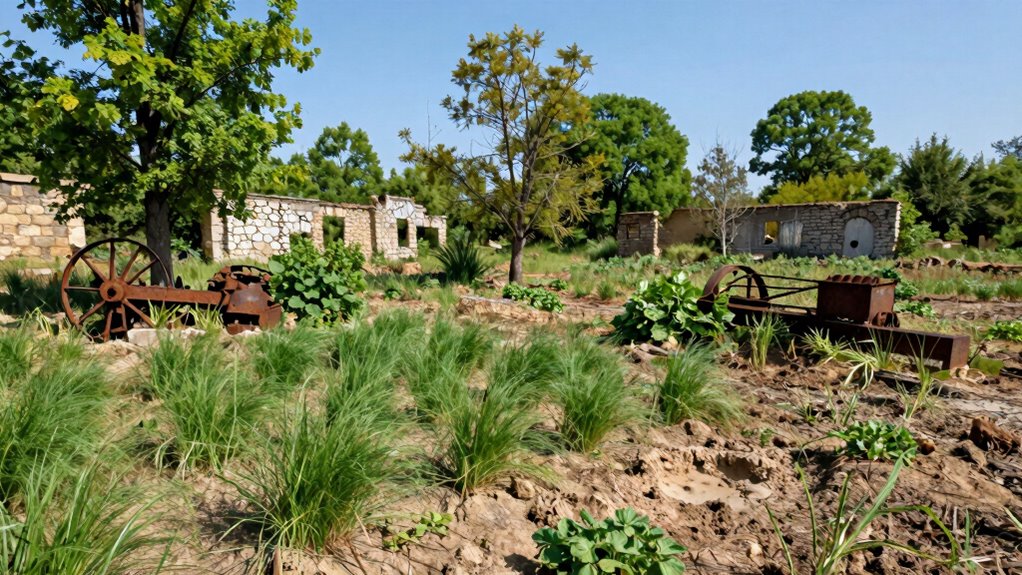
Understanding the history of a site can reveal valuable insights into how plant harvesting practices have evolved over time. When you look into a location’s past, you gain a clearer picture of potential challenges and opportunities for sustainable harvesting today. One key aspect to consider is soil contamination, which can profoundly influence the safety and quality of the plants you gather. If a site has a history of industrial activity, waste disposal, or chemical use, the soil might contain toxins or heavy metals that could transfer to the plants. Knowing this helps you decide whether the land is suitable for harvesting or if remediation is necessary before collecting any plants.
Understanding a site’s history reveals soil contamination risks that impact plant safety and harvesting sustainability.
Historical land use plays a vital role in understanding what might still be present in the soil. For example, farmland that was once sprayed with pesticides or herbicides may carry residual chemicals that could affect both the plants and your health. Similarly, a site previously used for mining, manufacturing, or waste dumping might have soil contaminated with harmful substances. Recognizing these past activities enables you to assess risks better and take precautions, such as testing soil samples or choosing alternative harvesting locations. Ignoring a site’s history could lead to unintended exposure to pollutants, undermining both safety and the ecological integrity of your harvesting practices.
In addition to contamination, understanding the land’s historical use can reveal whether the site has been disturbed or preserved, which directly impacts plant availability and growth. For instance, land that has been heavily developed or cleared might lack native plants or have compromised soil structure, affecting the quality and abundance of harvestable species. Conversely, protected or minimally disturbed areas might harbor richer biodiversity, offering more sustainable and resilient plant populations for harvesting. This historical context guides you in selecting sites that support healthy plant growth and promote sustainable practices. Furthermore, soil testing can help quantify contamination levels and inform safer harvesting decisions. Recognizing the significance of land use history can help you better predict the presence of invasive species and native plant resilience, ensuring your harvesting efforts are both effective and environmentally responsible. Additionally, understanding the soil composition can assist in determining the suitability of the land for specific plant species and potential remediation needs.
Furthermore, knowing a site’s past helps you understand the ecological balance and potential for invasive species. If the land was previously disturbed or altered, invasive plants might have taken hold, competing with native species and complicating harvest efforts. By researching the land’s history, you can anticipate such issues and plan accordingly. Additionally, incorporating knowledge of software quality assurance practices can help you develop systematic approaches to monitor and evaluate the health of the land and plants over time. This proactive monitoring can also include tracking soil contamination levels to prevent future hazards. Overall, integrating site history into your harvesting strategy isn’t just about avoiding hazards; it’s about making informed decisions that foster sustainability, safety, and respect for the land. Your careful attention to soil contamination and land use history ensures that your plant harvesting remains responsible and environmentally conscious.
As an affiliate, we earn on qualifying purchases.
Frequently Asked Questions
How Can Site History Impact Soil Health for Harvesting?
Site history impacts soil health for harvesting because previous activities can cause soil contamination or nutrient depletion. If the land was used for industrial or heavy farming, toxic chemicals might linger, harming plants and workers. Additionally, repeated crops or improper practices can deplete essential nutrients, reducing plant growth and yields. You need to evaluate past land use to guarantee healthy, productive soil and avoid potential contamination risks.
Are There Legal Restrictions Related to Old Site Histories?
Yes, there are legal restrictions related to old site histories. You need to be aware of zoning restrictions that might limit agricultural activities or land use changes. Additionally, contamination concerns from past industrial or hazardous activities could restrict planting certain crops or require cleanup before harvesting. Checking local regulations and conducting environmental assessments help guarantee compliance and safe harvesting practices, protecting both your health and the environment.
Can Previous Land Use Affect Plant Toxicity Levels?
Previous land use can ensure plant toxicity levels, especially when historical contamination lurks beneath the surface. The land use legacy of industrial or chemical sites often leaves residual toxins in soil, which plants can absorb. This means that even if the site looks clean, hidden chemicals from past activities can make plants unsafe for harvesting. Understanding this history helps you avoid toxic plants and guarantees safer, healthier harvests.
How Does Site History Influence Pest and Disease Presence?
Your site history influences pest and disease presence by creating pest reservoirs and disease hotspots. Past crops or land use might have left behind pests that thrive in certain conditions, making infestations more likely. Soil or debris from previous activities can harbor pathogens, turning areas into breeding grounds. Recognizing these factors helps you plan better management strategies, reducing risks and ensuring healthier plant growth during harvest.
What Methods Are Best for Researching Site History Accurately?
You should start by consulting archaeological records and historical land records to research site history accurately. These sources provide detailed insights into past land use, previous crops, and disturbances. Visiting local archives or online databases can help you access this information efficiently. Combining archaeological findings with land records gives a thorough understanding of the site’s history, ensuring you make informed decisions for planting and harvesting.
Conclusion
Knowing your site’s history isn’t just for the archaeologists—it’s key for successful plant harvesting. By understanding past land use, you avoid potential contaminants and identify fertile spots, making your efforts more fruitful. Remember, as you tend your garden, every plot has a story—sometimes even from the days of knights and castles. Respect the land’s history, and you’ll cultivate not just plants, but harmony with the environment. After all, knowledge is the true magic wand.
Fall Picks
fall essentials
As an affiliate, we earn on qualifying purchases.