
TL;DR
Listen free for 30 days with Audible
Thousands of audiobooks and originals — cancel anytime.
Start your free trialAs an affiliate, we earn on qualifying purchases.
Gardening experts recommend planting five native species from seed in September. These plants are easy to grow, support local ecosystems, and can be cultivated for free. The trend reflects growing interest in sustainable gardening.
Gardening enthusiasts can now focus on planting five native species from seed in September, a trend that is gaining traction for its simplicity and ecological benefits. Experts highlight that these plants can be harvested from seed during this month, making it an accessible way to expand gardens without additional costs. This development matters because it promotes sustainable gardening practices and supports local wildlife populations.
According to recent gardening trend reports, five native plants are particularly suitable for sowing from seed in September: purple coneflower (Echinacea purpurea), coreopsis (Coreopsis spp.), black-eyed Susan (Rudbeckia hirta), wild bergamot (Monarda fistulosa), and butterfly weed (Asclepias tuberosa). These species are known for their hardiness, low maintenance, and ability to attract pollinators such as bees and butterflies.
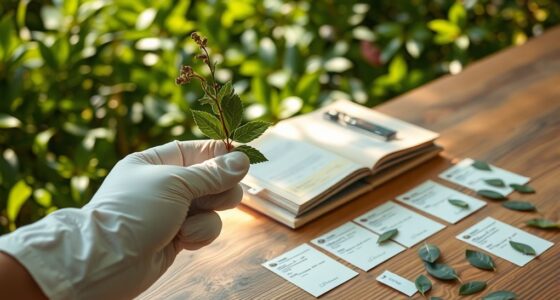
Gardeners can collect seeds from existing plants or purchase them from local seed exchanges or native plant nurseries. The recommended planting time aligns with the natural seed dispersal period, ensuring optimal germination. Experts note that these plants typically require well-drained soil and full sun, making them suitable for a variety of garden settings.
Many gardening communities and environmental organizations are endorsing this approach, emphasizing that starting native plants from seed in September is both cost-effective and environmentally friendly. The practice also encourages biodiversity and helps restore native plant populations that may be declining due to habitat loss.
Why Planting Native Seeds in September Matters
This trend is significant because it supports sustainable gardening by reducing costs and reliance on purchased plants. It also promotes local biodiversity, providing essential habitat and food sources for native pollinators and wildlife. As interest in eco-friendly gardening grows, planting native species from seed in September offers an accessible entry point for gardeners of all skill levels to contribute to ecological restoration.
Moreover, this practice aligns with broader environmental goals, such as reducing chemical use and fostering resilient ecosystems. By planting native species, gardeners can help combat the decline of local flora and fauna, making their gardens more sustainable and supportive of biodiversity.
native plant seeds for planting in September
As an affiliate, we earn on qualifying purchases.
As an affiliate, we earn on qualifying purchases.
Native Plant Gardening Trends and September Planting Windows
The interest in native plant gardening has surged in recent years, driven by awareness of environmental issues and the desire for low-maintenance, wildlife-friendly landscapes. September is recognized as an ideal time for sowing many native species because it coincides with their natural seed dispersal period, allowing seedlings to establish before winter.
This trend is also influenced by the increasing availability of native seeds through local seed exchanges and online platforms. While expert consensus supports planting native seeds in September, the specific timing and success rates can vary depending on local climate and soil conditions. The overall movement emphasizes ecological gardening as a practical and impactful approach to environmental stewardship.
It is worth noting that while planting native seeds is straightforward, success depends on proper seed collection, soil preparation, and site selection. Gardeners are encouraged to consult local native plant guides for region-specific advice.
Uncertainties Around Regional Success and Seed Sources
While the trend is gaining popularity, it is still unclear how regional climate variations affect seed germination success in different areas. Specific timing and soil conditions may influence outcomes, and local experts recommend region-specific advice. Additionally, the availability of quality native seeds from reliable sources can vary, affecting the ease of participation for some gardeners.
Further research and regional studies are needed to confirm best practices and optimize success rates across diverse environments. It is also not yet confirmed whether this planting window will be equally effective in all climate zones.
Next Steps for Gardeners and Environmental Groups
Gardeners interested in this trend should start sourcing native seeds from reputable local nurseries or seed exchanges, ensuring they select species suitable for their region. Monitoring local weather patterns and soil conditions can improve germination success.
Environmental organizations may expand outreach and provide region-specific guidelines to encourage wider adoption. Researchers might also study long-term outcomes of planting native seeds in September to refine best practices.
As the planting season progresses, gardeners can share their results through local groups or online forums, contributing to a growing body of knowledge about native plant cultivation from seed.
Key Questions
Which native plants are easiest to grow from seed in September?
The five recommended species include purple coneflower, coreopsis, black-eyed Susan, wild bergamot, and butterfly weed. These are known for their resilience and attractiveness to pollinators.
Can I harvest native seeds from my existing plants for planting in September?
Yes, if you have mature plants, you can collect seeds during their dispersal period, typically late summer to early fall. Proper seed collection and storage are important for successful planting.
What soil and sunlight conditions do these native plants require?
Most of these species thrive in well-drained soil and full sun exposure. Checking local native plant guides can provide specific recommendations for your region.
Is planting native seeds in September suitable for all climate zones?
Not necessarily. Success depends on local climate and soil conditions. Gardeners should consult regional guides and consider timing adjustments based on their specific environment.
Where can I find reliable native seeds for planting?
Reputable sources include local native plant nurseries, seed exchanges, and online stores specializing in native species. Avoid seeds from non-native or commercial sources that may not be adapted to your area.
Source: rss
Fall Picks
fall essentials
As an affiliate, we earn on qualifying purchases.