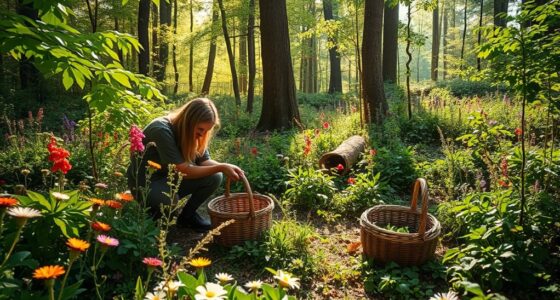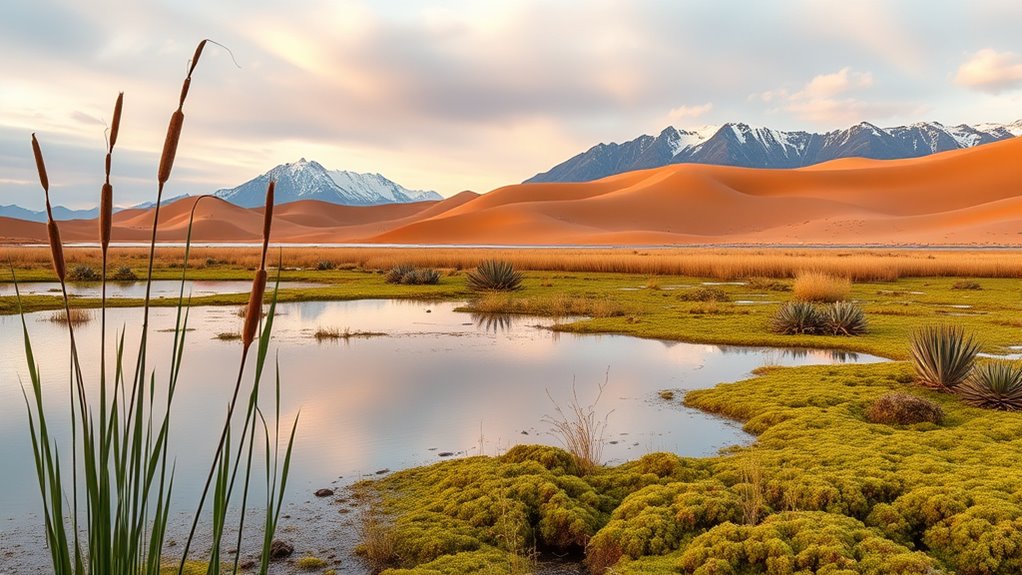

Sensitive habitats like wetlands, dunes, and alpine zones are essential for supporting diverse species and protecting communities from climate impacts. Wetlands act as natural flood buffers, dunes defend against storm surges, and alpine zones serve as indicators of climate change. Preserving these ecosystems helps maintain biodiversity and enhances climate resilience. If you want to discover how you can make a difference in protecting these irreplaceable environments, keep exploring further.
Key Takeaways
- Wetlands, dunes, and alpine zones are crucial ecosystems supporting rare and endangered species and maintaining global biodiversity.
- These habitats act as natural buffers, absorbing floodwaters, protecting against storms, and reducing erosion.
- Urbanization threatens these sensitive areas by fragmenting habitats and undermining their ecological functions.
- Conservation efforts include integrating habitat protection into urban planning and restoring wetlands within cities.
- Preserving these habitats enhances climate resilience and ensures ecological balance for future generations.

Sensitive habitats are essential ecosystems that support a wide range of rare and endangered species. They’re the heartbeats of our planet’s biodiversity, yet they face relentless threats from urbanization and climate change. You have the power to recognize their importance and push for their protection through urban conservation efforts. When cities expand without regard for these delicate areas, they fragment habitats, diminish species’ survival chances, and undermine climate resilience. By advocating for the preservation of wetlands, dunes, and alpine zones, you champion a future where nature and human development coexist rather than clash.
Protecting wetlands, dunes, and alpine zones ensures biodiversity and climate resilience amid urban expansion.
Urban conservation becomes a critical tool in safeguarding these habitats. It’s not just about protecting isolated patches of land but integrating conservation into city planning. You can support initiatives that create green corridors, restore wetlands within urban landscapes, and promote sustainable development that respects ecological boundaries. These efforts help maintain essential ecological functions, like water filtration and flood control, which directly benefit urban populations. Wetlands, in particular, serve as natural buffers against climate impacts, absorbing excess rainwater and reducing flood risks. Protecting these areas enhances climate resilience, giving communities a fighting chance against increasingly severe weather events. Advancements in machine learning and improved data analysis are increasingly aiding conservation efforts by allowing better habitat monitoring and management.
Dunes and alpine zones, often overlooked, are equally important for their unique biodiversity and climate regulation roles. Dunes act as natural barriers against storm surges and coastal erosion, crucial in a warming world. Alpine zones, with their fragile ecosystems, are sensitive indicators of climate change, experiencing shifts that threaten plant and animal life adapted to cold environments. Recognizing the interconnectedness of these habitats with broader climate systems is essential. When you support efforts to conserve dunes and alpine zones, you’re also bolstering the global fight against climate change, helping to stabilize local climates and protect water sources.
Your voice matters in the movement for urban conservation. By raising awareness and demanding policies that prioritize these sensitive habitats, you help foster a culture of respect and responsibility. It’s about creating resilient landscapes that can withstand the impacts of climate change, ensuring that future generations inherit a planet still teeming with life. Every action—whether it’s advocating for protected areas, supporting sustainable urban development, or simply spreading awareness—contributes to a larger movement that values and defends these irreplaceable ecosystems. Together, you can be a catalyst for change, transforming cities into bastions of ecological health and climate resilience, ensuring that sensitive habitats continue to thrive amidst an ever-changing world.
Top picks for "sensitive habitat wetland"
Open Amazon search results for this keyword.
As an affiliate, we earn on qualifying purchases.
Frequently Asked Questions
How Do Climate Change Impacts Differ Among Wetlands, Dunes, and Alpine Zones?
You see, climate change impacts differ across wetlands, dunes, and alpine zones. Wetlands face rising temperatures and altered water levels, challenging their climate resilience. Dunes are vulnerable to increased storms and erosion, requiring adaptive management to protect them. Alpine zones warm quickly, threatening fragile ecosystems. By understanding these differences, you can help develop strategies that bolster nature’s resilience, empowering you to take action and preserve these essential habitats for future generations.
What Are the Most Effective Conservation Strategies for These Habitats?
Imagine saving a fragile glass sculpture from shattering—your actions matter. To protect wetlands, dunes, and alpine zones, you should prioritize restoration techniques like replanting native species and controlling invasive plants. Strong policy implementation, such as protected area designations and climate regulations, empowers you to act. Your efforts liberate these habitats from destruction, ensuring they thrive for generations, preserving their essential role in our planet’s health.
How Do Invasive Species Threaten These Sensitive Ecosystems?
Invasive species threaten these ecosystems by outcompeting native plants and animals, disrupting natural balances. You can take action by supporting invasive species management efforts to control their spread. Engaging in habitat restoration helps restore native diversity and resilience, giving these habitats a fighting chance. Your involvement can make a real difference in protecting wetlands, dunes, and alpine zones, ensuring they thrive for generations to come.
What Role Do Local Communities Play in Habitat Preservation?
You play a essential role in habitat preservation through community engagement and sharing traditional knowledge. By actively participating in conservation efforts, you help protect wetlands, dunes, and alpine zones. Your local insights can guide sustainable practices and foster a deep connection to nature. When you involve others and honor traditional wisdom, you empower your community to defend these fragile ecosystems, ensuring their liberation from threats like invasive species and environmental degradation.
How Can Visitors Minimize Their Ecological Footprint in These Areas?
Imagine your footsteps as ripples across a still pond—you don’t want to disturb the delicate balance. To minimize your ecological footprint, wear eco-friendly footwear that won’t harm fragile surfaces and practice responsible photography by avoiding flash and unnecessary disturbance. You have the power to preserve these sacred spaces for future explorers—think of yourself as a guardian, freeing these habitats from harm with every conscious choice you make.
Conclusion
As you explore these delicate habitats—where wetlands whisper with life, dunes shift in golden waves, and alpine zones stand frozen in time—you realize how fragile their beauty truly is. Every step you take echoes through these untouched landscapes, reminding you to protect their serenity. By preserving wetlands, dunes, and alpine zones, you help keep this vibrant tapestry alive, ensuring future generations can marvel at nature’s breathtaking artistry in its purest form.