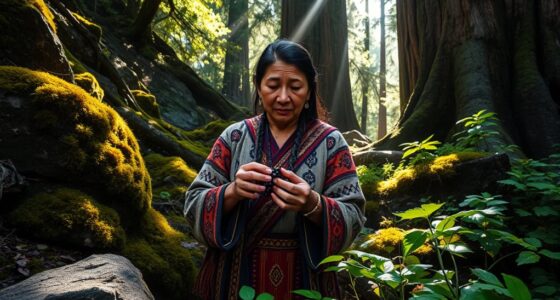

When deciding between harvesting rare or abundant species, prioritize the ones that support ecological balance and are less vulnerable. Rare species often have unique roles and are more at risk of overharvesting, so they should generally be protected unless sustainable practices are proven. Harvesting abundant species can be safer but must still be done responsibly. To make ethical, sustainable choices, you’ll want to understand the ecological impact of each. Keep exploring to learn how to balance use with conservation.
Key Takeaways
- Prioritize harvesting abundant species to minimize ecological risk and support ecosystem stability.
- Reserve cautious, limited harvesting of rare species to prevent further decline and protect biodiversity.
- Consider species’ reproductive cycles and population health before harvesting to ensure sustainability.
- Focus on sustainable practices that balance resource use with ecological conservation.
- Make informed choices that support long-term ecological resilience and ethical resource management.

Have you ever wondered what makes some resources or opportunities rare while others are abundant? It’s more than just luck or coincidence; it’s a complex interplay of factors that shape how we access and value natural assets. When it comes to harvesting species, understanding what’s rare versus what’s plentiful isn’t just about numbers—it’s about the broader impact on ecosystems and the ethics behind our choices. If you’re seeking liberation from exploitative systems, recognizing these distinctions helps you make mindful decisions that respect the environment and promote sustainable use.
Rare species often hold a unique ecological significance, but their scarcity also makes them vulnerable. Harvesting these species without proper care can lead to serious ecosystem impacts, threatening their survival and upsetting the delicate balance of their habitats. Ethical harvesting becomes essential here, requiring you to consider whether collecting from these rare populations is justified and how it might affect the broader ecological community. When you prioritize species that are abundant, you reduce the risk of causing harm and help maintain biodiversity. This approach isn’t about taking what’s easiest but about respecting the intrinsic value of all life forms and understanding your role in their preservation.
Prioritize abundant species to protect biodiversity and ensure ethical, sustainable harvesting practices.
The impact of your choices stretches beyond individual species. Overharvesting even the most common resources can lead to unforeseen consequences, such as habitat degradation or the disruption of food chains. It’s vital to evaluate the ecosystem impact before deciding what to harvest. By doing so, you help guarantee that natural systems remain resilient and capable of supporting diverse life. Ethical harvesting isn’t just a moral stance—it’s a practical necessity for long-term sustainability. It involves evaluating the health of populations, understanding the reproductive cycles, and harvesting only what’s necessary without pushing species toward vulnerability. Recognizing the importance of sustainable practices ensures that your actions support ecological balance and resilience.
Your desire for liberation aligns with adopting a conscientious approach to resource use. Instead of exploiting abundance or obsessing over rarity, you can choose to support practices that prioritize ecological health and fairness. This means respecting regulations, supporting sustainable harvesters, and staying informed about the ecological roles of species. When you make decisions rooted in ecosystem impact awareness and ethical harvesting principles, you contribute to a world where resources are valued not just for their immediate utility but for their ongoing role in sustaining life. Liberation isn’t just about freedom from oppression; it’s about reclaiming your power to make choices that nurture the planet and all its inhabitants.
Frequently Asked Questions
How Do Harvesting Methods Differ Between Rare and Abundant Species?
You should use different harvesting techniques for rare and abundant species to promote sustainable farming and conservation. When harvesting rare species, be gentle and selective, minimizing impact to guarantee their survival. For abundant species, you can adopt more efficient methods, like bulk harvesting, to meet demand without overexploiting. By adjusting your techniques, you help preserve biodiversity and maintain ecological balance, empowering you to harvest responsibly and freely.
What Ethical Considerations Are Involved in Harvesting Rare Species?
Like walking a tightrope, harvesting rare species demands careful balance. You must respect conservation ethics, ensuring your actions don’t threaten species preservation. It’s crucial to take into account the ecological impact, recognizing that taking too much can push a species closer to extinction. By prioritizing responsible harvesting and advocating for their survival, you help protect biodiversity, empowering nature’s liberation from the chains of overexploitation.
How Does Habitat Destruction Impact Harvesting Priorities?
Habitat destruction shifts your harvesting priorities by threatening ecosystem balance and undermining conservation strategies. When habitats are damaged, rare species become even more vulnerable, so you should focus on protecting these areas and promoting sustainable practices. By doing so, you support ecosystem health and preserve biodiversity. Your choices matter—by considering habitat health, you help make certain that harvesting doesn’t accelerate species decline or disrupt natural balances.
Are There Legal Restrictions on Harvesting Rare Versus Abundant Species?
Yes, you must follow legal restrictions on harvesting rare and abundant species. Regulatory compliance is essential to guarantee you don’t violate conservation policies, which protect vulnerable populations. Laws often limit or prohibit harvesting rare species altogether, while abundant ones may have specific quotas. By respecting these rules, you contribute to conservation and sustainable use, empowering you to harvest responsibly and help preserve ecosystems for future generations.
What Role Do Local Communities Play in Species Harvesting Decisions?
You’re the hero in this story, wielding community involvement like a mighty sword. Local communities shape harvesting decisions, advocating for sustainable practices that protect their future. They resist being pawns in exploitative schemes, demanding a say in what’s taken and what’s left. Your role is to champion their voice, ensuring that species are harvested responsibly, embracing a future where nature’s bounty isn’t just a resource, but a right for all to cherish and enjoy.
Conclusion
Remember, in nature, “slow and steady wins the race.” When deciding which species to harvest, it’s essential to weigh rarity against abundance carefully. Prioritize sustainable choices that protect both rare and plentiful species, ensuring ecosystems stay balanced. By making mindful decisions, you help conserve our planet’s rich biodiversity. Ultimately, your actions today shape the future of countless species—so choose wisely and remember, a little caution goes a long way.