
TL;DR
A new legal option allows individuals to be composted after death, transforming their remains into soil for gardens. Authorities have officially approved this eco-friendly end-of-life care. The development offers an alternative to traditional burials and cremation, emphasizing sustainability.
Regulators have officially approved composting as a legal method of body disposition, allowing individuals to be turned into soil and returned to their gardens. This development introduces a sustainable alternative to traditional burial and cremation, making eco-friendly death care accessible and legal for the first time.
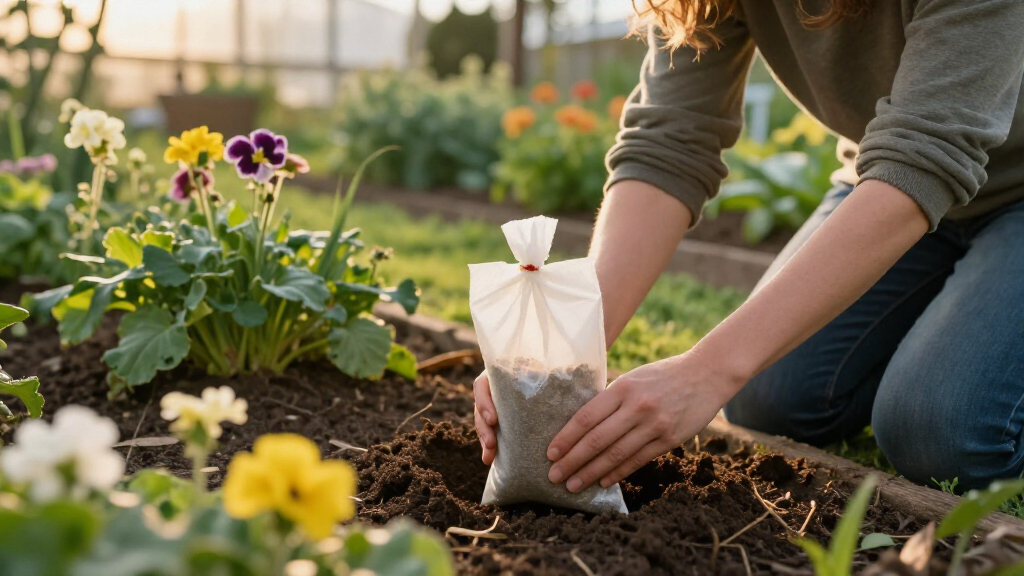
Authorities in the region have endorsed composting, also known as human composting or natural organic reduction, as a safe and environmentally sustainable method of body disposal. The process involves placing the body in a controlled environment with organic materials where it decomposes naturally into nutrient-rich soil. This soil can then be used in gardens or landscaping, effectively returning the individual to the earth.
Legal approval was granted after extensive review by health and environmental agencies, which concluded that the process poses no significant health risks and aligns with sustainability goals. The first legal composting facility is expected to open within the next few months, offering this option to the public.
Advocates highlight that this method reduces carbon emissions associated with traditional burial and cremation, and minimizes land use. It also aligns with growing public interest in environmentally responsible death practices.
Environmental and Cultural Impact of Legal Composting
This development represents a major shift in end-of-life care, emphasizing environmental sustainability and personal choice. By legally permitting composting, authorities are providing a greener alternative to conventional methods, potentially reducing the carbon footprint of death care. It also reflects changing cultural attitudes towards death and ecological responsibility, appealing to those seeking more natural and meaningful ways to leave a legacy.
As an affiliate, we earn on qualifying purchases.
Legal and Environmental Precedents for Human Composting
Human composting has been practiced informally in some regions for years, but only recently has it gained legal recognition. Oregon became the first U.S. state to legalize natural organic reduction in 2021, and similar legislation has been considered or enacted in other states. The process involves controlled decomposition in a specialized vessel, with the resulting soil then used for landscaping or gardening.
Environmental advocates have championed this method for its lower carbon emissions compared to traditional burial and cremation. The approval in this region follows a broader trend towards sustainable death practices, driven by environmental concerns and changing public preferences.
“This is a groundbreaking step towards sustainable, natural death practices. Returning bodies to the earth as compost minimizes environmental impact and aligns with ecological values.”
— Dr. Emily Carter, Environmental Death Care Expert
Unanswered Questions About Implementation and Regulations
Details about the specific regulations, the process of certification for composting facilities, and public access are still emerging. It is unclear how widely available this option will be initially, or how it will be integrated into existing death care services. Additionally, public acceptance and cultural attitudes towards human composting remain to be seen.
Next Steps for Public Access and Facility Development
The first composting facilities are expected to open within the next few months, offering this option to the public. Authorities will likely establish guidelines for the process, including licensing, safety standards, and environmental monitoring. Public education campaigns are also anticipated to inform potential users about the process and benefits.
Key Questions
Is human composting legally available now?
Yes, authorities have approved the process, and the first facilities are expected to open soon, making it legally accessible in this region.
How does human composting work?
The body is placed in a controlled environment with organic materials, where it decomposes naturally into nutrient-rich soil that can be returned to gardens or landscaping.
Is human composting safe and environmentally friendly?
Yes, regulatory reviews have confirmed that, when properly managed, the process poses no significant health risks and offers environmental benefits such as reduced carbon emissions.
Can I choose composting instead of burial or cremation?
Yes, with legal approval now granted, individuals can select composting as their preferred end-of-life disposition, depending on local regulations and facility availability.
Will this option be available everywhere?
It is currently limited to regions where legislation has been approved; broader adoption depends on local laws, cultural acceptance, and infrastructure development.
Source: rss