
Effective record-keeping with field notes, GPS pins, and photos helps you document work activities accurately and efficiently. You can capture important details in real-time, pinpoint locations exactly, and add visual context through photos. This multi-dimensional approach makes your records more reliable, searchable, and organized. It boosts accountability, simplifies project management, and protects your data with backups. If you want to discover how to make your records even more powerful, keep exploring these tools and techniques.
Key Takeaways
- Combining field notes, GPS data, and photos creates comprehensive digital records for better organization and retrieval.
- Digital record-keeping enhances transparency, accountability, and supports compliance through documented evidence.
- GPS pins precisely locate observations, while photos provide visual context, enriching the quality of records.
- Organized digital archives streamline workflows, reduce physical storage needs, and facilitate easy sharing of information.
- Effective record management improves decision-making, safeguards data integrity, and boosts operational efficiency.

Have you ever wondered how businesses stay organized and guarantee accountability? The secret lies in effective record-keeping—an essential tool that empowers you to maintain control over your work, streamline workflows, and free yourself from chaos. At the core of this system is smart data management, which ensures that your information is accessible, accurate, and secure. Digital archiving plays a pivotal role here, transforming physical notes and scattered files into organized, easy-to-search digital records. This shift not only saves space but also makes retrieving vital information effortless, giving you more time to focus on what truly matters. When you embrace digital archiving, you’re freeing yourself from the clutter and ambiguity that can hinder progress, making your operations more transparent and reliable.
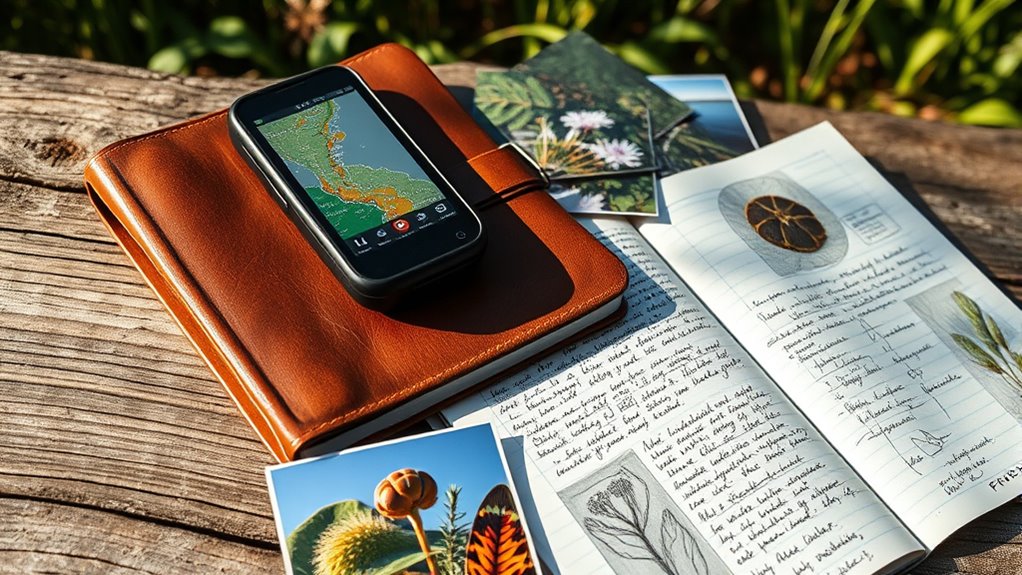
Field notes, GPS pins, and photos are powerful tools in your record-keeping arsenal. They serve as concrete evidence of your work, capturing details that words alone can’t fully convey. By consistently documenting your observations and activities, you create a detailed trail that enhances accountability. When you record field notes, you’re documenting your insights, challenges, and successes in real-time, reducing memory lapses and guesswork later on. Incorporating GPS pins adds a layer of precision to your records, pinpointing exact locations and enabling you to map out your activities visually. Photos are invaluable for providing visual confirmation, especially when dealing with complex environments or subjects that change over time. These multimedia records become part of your digital archive, enriching your data management system and ensuring nothing gets lost or misinterpreted. Additionally, accurate data collection plays a significant role in maintaining the integrity of your records, especially when working in environments where precision matters.
The beauty of combining these tools lies in creating a comprehensive, multi-dimensional record. When you upload field notes, GPS data, and photos into your digital archiving system, you craft a powerful repository that’s easy to navigate and update. This approach liberates you from the limitations of paper-based records, which can be cumbersome, fragile, and difficult to organize. Digital data management enables you to categorize, search, and share your records effortlessly, fostering collaboration and transparency. It also guarantees your records are backed up and protected against loss or damage, giving you peace of mind. In the end, effective record-keeping isn’t just about compliance; it’s about empowering yourself with clear, accessible information that supports your goals and sustains your freedom to innovate and grow.
Frequently Asked Questions
How Do I Organize My Field Notes for Quick Retrieval?
To organize your field notes for quick retrieval, embrace digital filing systems and effective tag management. Digitize your notes and categorize them with clear, consistent tags related to location, date, or subject. Use searchable keywords and color coding to make finding specific notes effortless. Regularly update and back up your files to stay liberated from clutter. This approach empowers you to access your notes swiftly, anytime, anywhere, with minimal hassle.
What Are the Best Practices for Backing up GPS and Photo Data?
You should back up your GPS and photo data to the cloud, ensuring it’s accessible anywhere and freeing you from device dependency. Always use data encryption to protect sensitive information and prevent unauthorized access. Automate backups to keep everything current without extra effort. This way, you’re liberated from manual management, and your valuable data stays safe, organized, and ready whenever you need it.
How Can I Ensure Accuracy in GPS Pin Placement?
You can guarantee accuracy in GPS pin placement by regularly performing GPS calibration and accuracy verification. Before recording, double-check your device’s settings and update software if needed. Use multiple satellites for better precision, and cross-verify your pin with known landmarks. Trust your instincts, stay confident, and remember that mastering these steps grants you the freedom to explore with reliable, precise data, empowering your adventures.
Which Apps Are Most Reliable for Syncing Photos and Notes?
You should try apps like Dropbox or Google Photos, which offer seamless cloud storage and strong app integration. These apps sync your photos and notes automatically, giving you freedom from manual backups. They’re reliable, easy to use, and let you access your data anywhere. With cloud storage, you’re freed from device limits, and app integration ensures everything stays organized and secure, so you can focus on your work without worries.
How Do I Handle Privacy Concerns With Geotagged Photos?
To handle privacy concerns with geotagged photos, you should anonymize images by removing identifiable features and manage GPS data carefully. Use apps that allow you to strip or edit GPS info before sharing. Always review privacy settings, avoid uploading precise location details publicly, and consider encrypting sensitive data. This way, you protect your privacy while maintaining control over your information, giving you the freedom to share confidently without compromising security.
Conclusion
Keeping detailed field notes, GPS pins, and photos is your compass through the wilderness of data. They’re your trusty map, guiding you back when memories fade and details blur. Think of these tools as your loyal companions, anchoring your findings in reality. With good record-keeping, you turn fleeting moments into solid evidence, ensuring your work stands tall like a lighthouse guiding others safely through the fog of uncertainty. Keep your records sharp, and your future self will thank you.