
To learn wild plants without romanticizing the process, focus on honesty, patience, and ecological respect. Use reputable sources like field guides and local courses to build accurate identification skills. Practice careful observation, avoid overharvesting, and respect property laws and endangered species. Remember, conservation and sustainability take priority over adventure. By grounding your approach in responsibility and understanding, you’ll develop a genuine connection with nature. Keep exploring, and you’ll discover more about respectful foraging and ecological awareness.

Get garden gear delivered free with Prime
- Fast, free delivery on millions of items
- Prime Video, Amazon Music and more included
- Member-only deals all year
Key Takeaways
- Prioritize education through reputable field guides and local courses to build accurate knowledge and avoid misconceptions.
- Practice ethical harvesting by taking only what’s needed and respecting plant populations and habitats.
- Develop identification skills by observing seasonal changes and ecological relationships, avoiding assumptions based on appearances.
- Maintain humility and patience, recognizing that learning wild plants is an ongoing process requiring respect and careful observation.
- Connect with nature through responsible practices that emphasize conservation, avoiding romanticized notions of discovery or adventure.
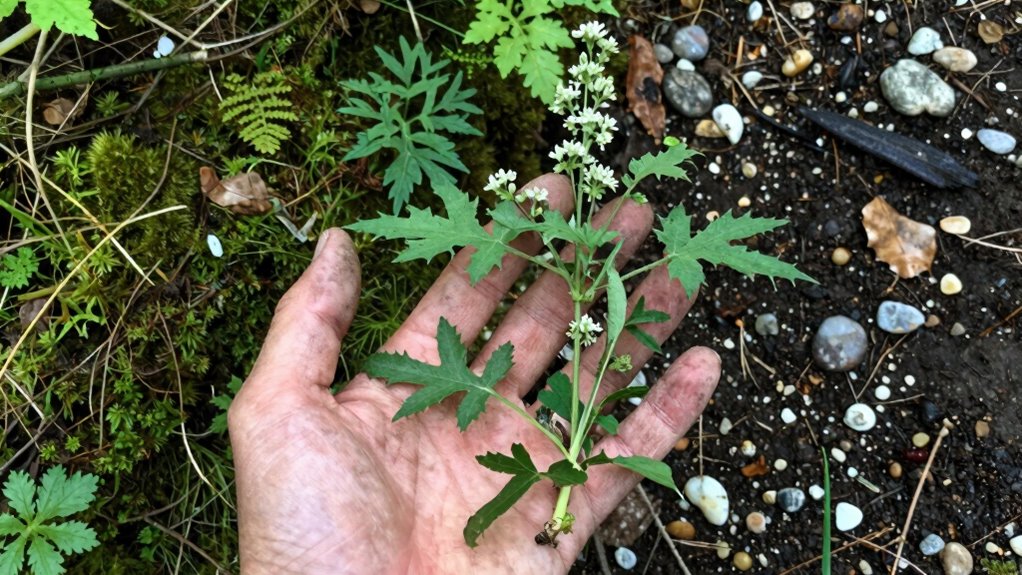
Learning to identify wild plants can be an enriching skill, but it’s important to approach it with a clear and realistic mindset. This means recognizing that learning about plants isn’t just about discovering their beauty or usefulness; it’s about understanding their role in ecosystems, respecting their limits, and practicing sustainable harvesting. When you focus on ethical foraging, you ensure that your gathering doesn’t harm plant populations or disrupt local habitats. This approach keeps wild plants available for future generations and supports healthy ecosystems.
To avoid romanticizing the process, you need to start with solid knowledge. Rely on reputable sources, such as field guides and local foraging courses, rather than romanticized stories or online myths. Practice patience and humility—learning to identify wild plants takes time, and mistakes are part of the process. It’s tempting to imagine a romanticized image of foraging as a simple adventure, but in reality, it demands careful observation, respect for nature, and a commitment to ethical foraging. You should always prioritize sustainable harvesting techniques, which means taking only what you need, leaving enough behind for the plant to regenerate, and avoiding overharvesting from any one area.
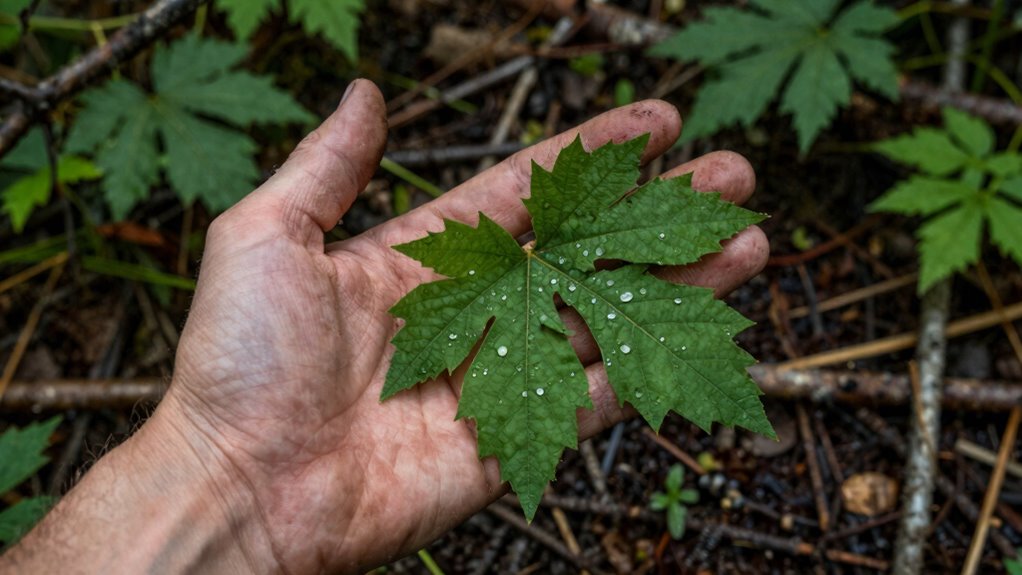
When you forage responsibly, you recognize that wild plants are vital parts of their environments. This respect translates into practices like cutting plants at the right time, using clean tools, and leaving no trace of your presence. Ethical foraging also involves identifying plants correctly and knowing which parts are safe to eat, as misidentification can be dangerous. Instead of romanticizing the thrill of discovery, focus on learning the details—seasonal changes, growth patterns, and ecological relationships—that make wild plants resilient and vital. Developing accurate plant identification skills is fundamental to responsible foraging and ensuring safety. Incorporating knowledge about ecological roles can deepen your understanding of how plants support their ecosystems and why sustainable practices matter. Understanding the reliance of plants on environmental factors can help you recognize the importance of preserving their habitats for ongoing health and resilience.
Sustainable harvesting isn’t just about what you take; it’s about understanding the impact of your actions. When you practice it, you contribute to the health of local plant populations and ecosystems. This might mean only collecting a few leaves or flowers, avoiding rare or endangered species, and always respecting private property and local regulations. When you approach wild plant identification and foraging with honesty and responsibility, you foster a deeper connection to nature—one rooted in respect, knowledge, and conservation, rather than idealized notions. This way, you ensure your passion supports the environment and future foragers alike.
As an affiliate, we earn on qualifying purchases.
Frequently Asked Questions
What Are the Safest Wild Plants to Start Learning About?
You should start with safe, easily identifiable wild plants like dandelions, clover, and wild garlic. Always follow wild plant ethics and foraging etiquette—harvest sustainably and avoid overharvesting. Use reliable field guides and learn from experienced foragers. Remember, never consume a plant unless you’re 100% sure of its identification. Prioritize safety and respect for nature as you learn about wild plants, keeping your explorations responsible and grounded.
How Do I Identify Edible Versus Toxic Plants Accurately?
Did you know that plant toxins cause thousands of poisoning cases annually? To identify edible versus toxic plants accurately, focus on key identification techniques like examining leaf shape, color, and growth patterns. Always cross-reference with trusted field guides or expert sources. Be cautious of toxic look-alikes, and never consume a plant unless you’re 100% sure of its identification. When in doubt, avoid eating wild plants to prevent potential poisoning.
Are There Legal Restrictions on Foraging Wild Plants Locally?
Yes, there are legal restrictions on foraging wild plants locally. You need to follow foraging ethics, such as not overharvesting and respecting private property. Many areas protect native plants to support plant conservation, so you should check local regulations and obtain permits if required. Staying informed helps you forage responsibly, ensuring wild plant populations remain healthy while enjoying nature’s bounty safely and legally.
What Equipment Is Essential for Safe Wild Plant Foraging?
Think of your equipment as your trusted compass on the wild plant journey. You’ll need a sharp knife, gloves, a basket or mesh bag, and field guidebooks to identify plants accurately. Remember, respecting wild plant ethics and following foraging safety tips guarantees you don’t overharvest or disturb ecosystems. A good GPS or map helps prevent trespassing. Proper gear keeps you safe, responsible, and in harmony with nature’s delicate balance.
How Can I Avoid Overharvesting Wild Plants Responsibly?
To avoid overharvesting wild plants responsibly, practice sustainable harvesting and ethical foraging. You should only take what you need, leaving enough for the plant to regenerate. Identify the plants correctly to avoid damaging rare species, and harvest in a way that minimizes harm, like cutting above the roots. Respect the environment by foraging in areas where it’s permitted and avoid disturbing wildlife, ensuring these plants thrive for future generations.
Conclusion
By staying grounded and respectful in your wild plant journey, you’ll avoid turning it into an over-romanticized adventure that clouds reality. Remember, learning wild plants is a demanding yet rewarding pursuit—like trying to tame a wild storm with just your bare hands. Keep your curiosity alive but stay humble, and you’ll discover the true beauty of nature’s gifts without losing sight of their power. Stay diligent, and you’ll reveal secrets that could change your life forever.
Fall yard work Picks
leaf blowers
As an affiliate, we earn on qualifying purchases.