
Understanding habitat edges and riparian zones helps you see how environments support diverse species and filter pollutants. These boundary zones are crucial for ecosystem health but are vulnerable to human disturbance and pollution, which can reduce native plants and enable invasive species to thrive. Disturbances can either rejuvenate or damage habitats, depending on their severity. Keep exploring to learn more about how these factors shape ecosystem resilience and biodiversity.
Key Takeaways
- Edges and riparian zones are transitional areas supporting diverse species and ecosystem functions.
- Pollution from human activity harms riparian zones, reducing native plant populations and habitat quality.
- Riparian zones act as natural filters, improving water quality and preventing pollutants from spreading.
- Invasive species often invade these zones, outcompeting natives and disrupting habitat stability.
- Habitat disturbances, whether natural or human-induced, can threaten ecosystem resilience and require restoration efforts.
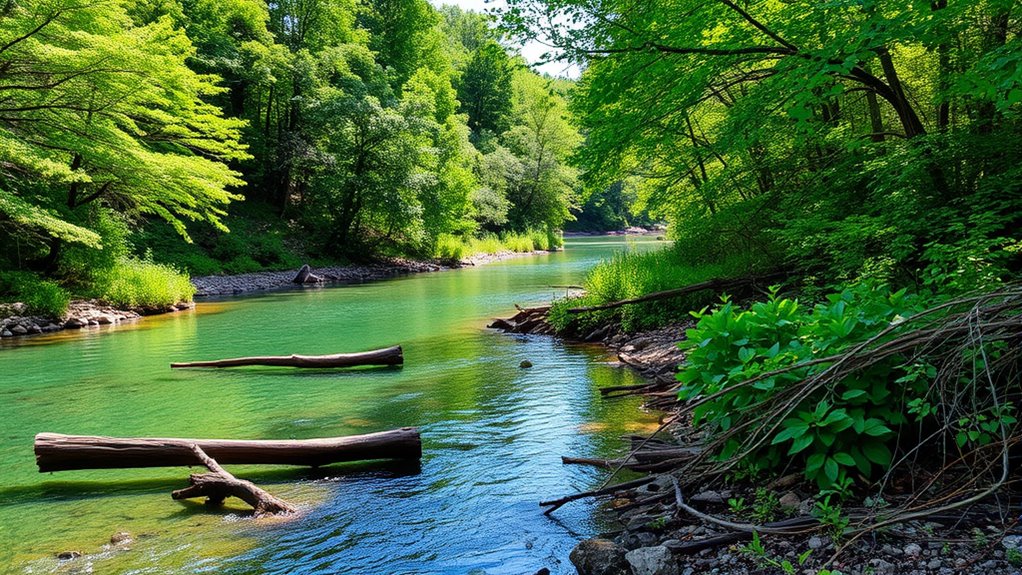
Habitat reading is a powerful tool that helps you understand the environments where different plants and animals live. When you learn to read habitats, you gain insight into how ecosystems function and how human activities threaten their balance. One key aspect you’ll notice is how pollution impacts these environments, often weakening native species and enabling invasive species to take hold. Pollution can come from various sources—runoff, air pollutants, or waste—that contaminate soil and water, disrupting the delicate balance that native plants and animals rely on. As pollution impacts increase, many native species struggle to survive, opening gaps that invasive species quickly exploit. These non-native species often outcompete local flora and fauna, altering habitat structures and reducing biodiversity. Recognizing these changes is essential for anyone committed to protecting natural environments and fighting for ecological freedom.
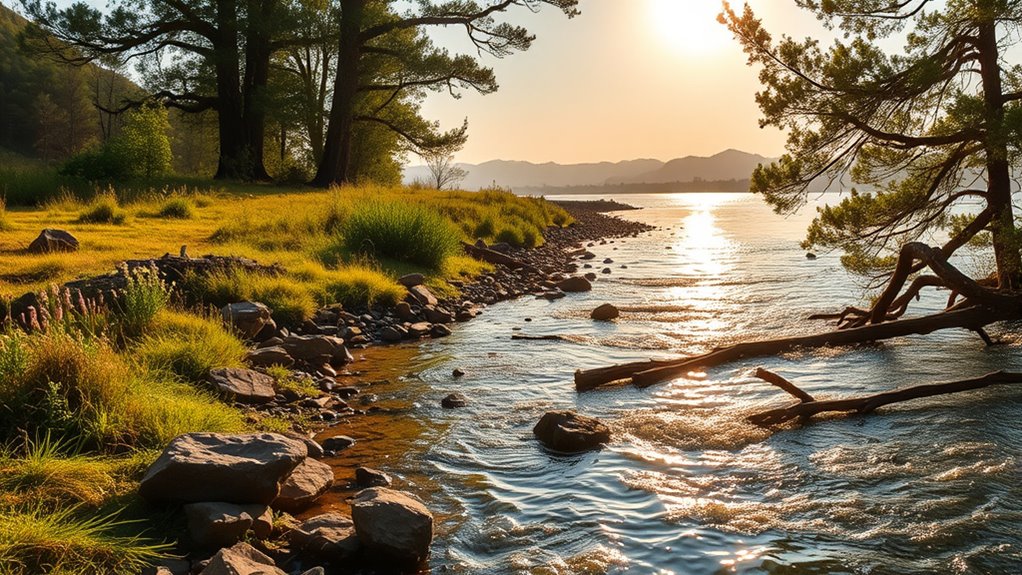
Edges and riparian zones are especially significant when reading habitats because they serve as transition zones between different ecosystems. You’ll find that edges, where two habitats meet, are often bustling with activity—they support a variety of species that thrive in these boundary areas. However, edges are also highly vulnerable to disturbance. Human development, deforestation, and pollution impacts can fragment these zones, making it harder for native species to migrate and adapt. Riparian zones—the lush areas along waterways—are equally critical. They act as filters, improving water quality and providing habitat for countless species. When pollution impacts reach these zones, they suffer, often leading to a decline in native plant populations. Invasive species, like water hyacinth or purple loosestrife, can quickly invade riparian zones, outcompeting native plants and choking waterways. This invasion hampers the natural flow and health of ecosystems, threatening the very fabric of these essential habitats. Additionally, maintaining proper color accuracy in monitoring equipment can help assess habitat health more precisely.
Disturbance, whether from natural events or human activity, plays an important role in habitat dynamics. While some disturbances can rejuvenate a habitat, excessive or poorly managed disturbances often cause irreversible damage. When you observe habitat disturbance, look for signs of invasive species encroachment and pollution impacts. These signs reveal how human actions—such as construction, pollution discharge, or introduction of invasive species—disrupt natural processes. Ultimately, reading habitats with awareness of these factors empowers you to see the interconnectedness of ecosystems and the importance of restoring and protecting them. It’s a step toward reclaiming natural spaces from degradation, fostering environments where native species can thrive free from invasive threats and pollution impacts. Your understanding of habitat edges, riparian zones, and disturbance becomes a powerful tool for advocating ecological liberation and resilience.
Frequently Asked Questions
How Do Habitat Edges Influence Species Diversity?
You find that habitat edges boost species richness by creating diverse microhabitats through edge effects. These zones offer unique resources and conditions, attracting different species and encouraging coexistence. As you explore, you realize that edges break down barriers, allowing more interactions and movement. This dynamic environment supports a wider variety of life, empowering you to understand how habitat fragmentation can actually enhance biodiversity by fostering rich, overlapping communities.
What Are the Key Indicators of Riparian Zone Health?
You can tell riparian zone health by monitoring key indicators like water quality, vegetation diversity, and erosion levels. Pollution impacts are evident when contaminants appear, disrupting nutrient cycling and harming ecosystems. Healthy zones thrive with lush plant life, stable banks, and clear water, empowering you to protect and restore these essential habitats. Recognize these signs, take action, and reclaim your right to vibrant, resilient riparian zones.
How Does Disturbance Frequency Affect Habitat Resilience?
When disturbance frequency increases, your habitat resilience drops because frequent disruptions prevent ecosystems from recovering fully. You might notice less stable riparian zones and degraded edges, making it harder for plants and animals to thrive. To stay free and strong, you need to minimize disturbance frequency, allowing natural processes to restore balance. Embrace disturbance management to boost resilience, ensuring your habitat remains vibrant, resilient, and ready to withstand future challenges.
What Role Do Invasive Species Play in Habitat Edges?
Invasive species markedly alter habitat edges by outcompeting native plants, disrupting ecological balance, and reducing biodiversity. They often thrive at edges, where disturbances create openings for their spread, threatening native species’ survival. You can fight back by supporting native plants and controlling invasive species, helping restore natural edge habitats. This empowers you to protect ecosystems and promote resilient, healthy habitats free from invasive species’ dominance.
How Can Conservation Efforts Restore Disturbed Riparian Zones?
You can restore disturbed riparian zones by implementing targeted restoration techniques like planting native vegetation, stabilizing banks, and removing invasive species. Engage your community in these efforts to foster a sense of ownership and collective responsibility. By working together, you empower yourself and others to reclaim these essential habitats, ensuring healthier ecosystems and greater biodiversity, ultimately freeing riparian zones from degradation and allowing nature to thrive once again.
Conclusion
Understanding edges, riparian zones, and disturbances helps you see how habitats are like delicate tapestries, woven together by nature’s constant changes. By paying attention to these essential areas, you become a guardian of their health, knowing that even small shifts can ripple through the entire ecosystem. Remember, your actions are the brushstrokes that can either preserve this intricate masterpiece or unravel it. Protecting these habitats ensures nature’s symphony continues to play in harmony.