To start foraging without feeling overwhelmed, begin with simple, familiar plants and focus on observing nature closely. Learn basic identification skills like leaf shapes, flower patterns, and scent, using trusted guides and online resources. Practice responsible harvesting—taking only what you need and leaving plenty for wildlife. Join local groups or workshops for hands-on experience, and trust your instincts as you grow more confident. Keep exploring step by step, and you’ll uncover more ways to enjoy and connect with nature.
Key Takeaways
- Begin with familiar, easily identifiable plants and mushrooms to build confidence gradually.
- Use reputable resources and join local groups to gain guided knowledge and support.
- Practice observation and note-taking to develop your identification skills over time.
- Harvest responsibly by taking small amounts and avoiding rare or protected species.
- Focus on connecting with nature and trusting your senses rather than rushing for results.
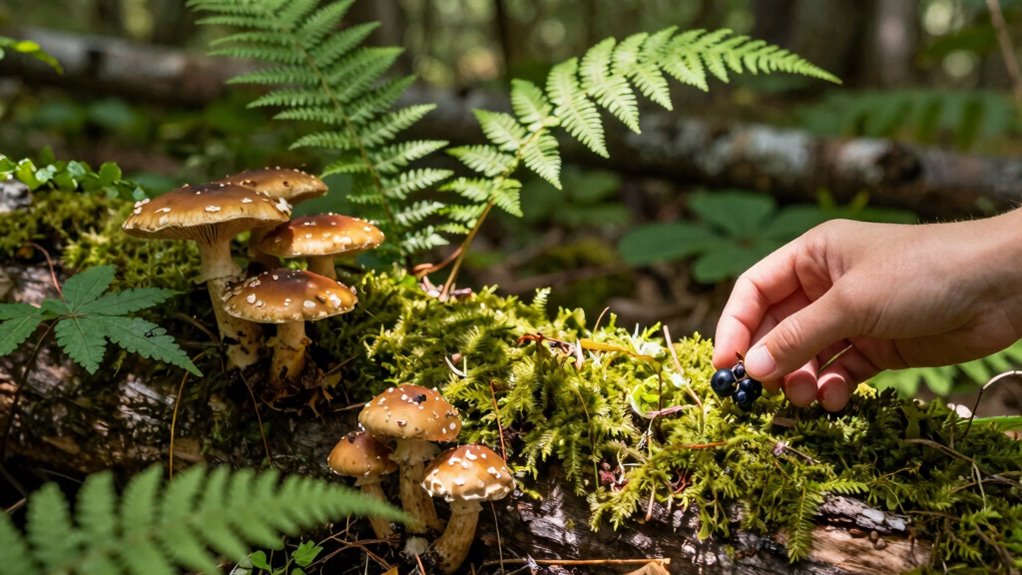
Starting to forage can feel overwhelming, especially if you’re new to identifying wild plants and mushrooms. The abundance of information, the variety of species, and the significance of doing it responsibly can make you hesitate. But don’t worry—by taking small, deliberate steps, you can build your confidence and develop a safe, enjoyable foraging practice. One of the best ways to start is by learning basic wildcrafting techniques that focus on observation, identification, and sustainable harvesting. These skills help you recognize edible versus toxic plants or mushrooms and guarantee you’re not harming the environment. For example, practicing simple identification methods like checking leaf shapes, flower patterns, or scent can go a long way. Also, understanding the right seasons for different plants will help you make more confident choices.
Start small with identification, observation, and sustainable harvesting to confidently enjoy foraging responsibly.
When you gather wild edibles, it’s essential to adopt ethical harvesting habits. This means taking only what you need, leaving enough for wildlife and future growth, and avoiding plants that are rare or protected. Ethical harvesting ensures that your foraging doesn’t damage ecosystems or deplete local populations. It’s also helpful to learn how to harvest sustainably—like clipping only parts of a plant instead of uprooting it entirely, or collecting from abundant patches rather than overharvesting in one spot. These mindful practices not only protect the environment but also make your foraging sustainable in the long run. Recognizing the importance of proper identification techniques, such as understanding the contrast ratio of projectors, can also be analogous to distinguishing edible plants from lookalikes—both require careful attention to detail. Additionally, understanding the science behind sound vibrations and how they influence health can deepen your appreciation for the natural signals that plants and fungi send. Developing a keen awareness of plant signals can help you better interpret the subtle cues that indicate whether a plant is safe to harvest. Learning about the local climate, soil conditions, and seasonal changes can further enhance your ability to identify and harvest safely.
To keep things manageable, start with familiar, easily identifiable plants or mushrooms. Books, field guides, and reputable online resources can help you verify your finds. Join local foraging groups or workshops if possible; being around experienced foragers accelerates your learning and reassures you that you’re doing things right. Remember, patience is key—every foraging trip is a chance to learn, even if you don’t find anything edible. Keep a journal of your discoveries and notes on how to identify each species. This record will boost your confidence over time and help prevent mistakes.
Most importantly, trust your senses and intuition. If something feels off or uncertain, it’s better to leave it alone. Foraging isn’t about rushing to gather as much as possible but about connecting with nature responsibly and respectfully. By gradually building your knowledge, practicing ethical harvesting, and honing your wildcrafting techniques, you’ll soon find that foraging becomes a rewarding, confidence-building activity rather than an overwhelming challenge.
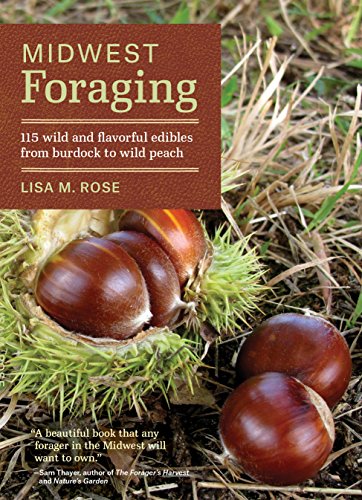
Midwest Foraging: 115 Wild and Flavorful Edibles from Burdock to Wild Peach (Regional Foraging Series)
Midwest foraging 115 wild and flavorful edibles from burdock to wild peach timber press field guide
As an affiliate, we earn on qualifying purchases.
As an affiliate, we earn on qualifying purchases.
Frequently Asked Questions
What Are Common Beginner Foraging Mistakes to Avoid?
You should avoid common beginner foraging mistakes like not researching plants thoroughly or ignoring wildcrafting ethics. Always verify plant identification with reliable guides and never consume anything you’re unsure of. Follow foraging safety tips, like harvesting sustainably and respecting local regulations. Don’t overharvest or disturb ecosystems, ensuring your foraging stays eco-friendly. By staying cautious and respectful, you’ll build confidence and enjoy foraging safely and responsibly.
How Do I Identify Safe Versus Poisonous Plants?
To identify safe versus poisonous plants, focus on plant safety by learning clear identification techniques. Observe key features like leaf shape, color, and smell, and compare them with trusted field guides or apps. Always double-check unfamiliar plants with multiple sources, and consider consulting experienced foragers or local experts. Remember, when in doubt, it’s best to avoid harvesting. Proper identification guarantees your foraging experience stays safe and enjoyable.
What Tools or Equipment Do I Need to Start Foraging?
You’ll need a few essential tools to start foraging safely and improve plant identification. Carry a sturdy field guide focused on edible and poisonous plants, a small sharp knife for harvesting, and a basket or mesh bag to carry your finds. A magnifying glass can help with plant details, and always bring a notebook to record observations. These tools make foraging safer and more enjoyable, helping you confidently identify safe plants and avoid poisonous ones.
How Can I Learn Local Foraging Laws and Regulations?
Imagine you’re in the 21st century, not medieval times. To learn local foraging laws, start by researching online or visiting your town’s website for info on foraging permits and regulations. Contact local wildlife agencies or conservation offices—they can clarify rules about collecting plants. Always check local plant laws before you harvest, ensuring you stay legal and respectful of nature. This way, you forage confidently without worry.
How Do I Store and Preserve Foraged Foods Properly?
You should store and preserve foraged foods by focusing on sustainable harvesting and seasonal preservation methods. Keep your harvest in breathable containers like mesh bags or paper bags to prevent mold. For long-term storage, dry herbs and mushrooms in a cool, dark place or use dehydration techniques. Freeze berries or fruits in airtight containers, and consider canning or pickling seasonal produce to extend freshness and enjoy your foraged treasures year-round.

Mushrooms of the Upper Midwest: A Simple Guide to Common Mushrooms (Mushroom Guides)
As an affiliate, we earn on qualifying purchases.
As an affiliate, we earn on qualifying purchases.
Conclusion
Starting your foraging journey can feel overwhelming, but remember, it’s about taking small steps. Imagine you spot some wild berries during a walk, confidently identifying them from a guidebook. That first successful foraging moment boosts your confidence, encouraging you to explore more. With patience and practice, you’ll build your skills and enjoy nature’s bounty without stress. Just start simple—your foraging adventure begins with one discovery, one confident step at a time.

Bulyoou 9 Pcs Mushroom Foraging Kit Includes Hunting Bag, Shroom Knife with Brush, Gloves, 2 Shovel Tools, Sharpener, Waxed Canvas Foraging Bag, Notebook and Compass for Mushroom Lovers Xmas Gifts
Complete Mushroom Foraging Kit: this 9 pcs mushroom foraging kit includes a mesh foraging bag, a waxed canvas…
As an affiliate, we earn on qualifying purchases.
As an affiliate, we earn on qualifying purchases.

The Naturalist's Notebook: An Observation Guide and 5-Year Calendar-Journal for Tracking Changes in the Natural World around You
As an affiliate, we earn on qualifying purchases.
As an affiliate, we earn on qualifying purchases.