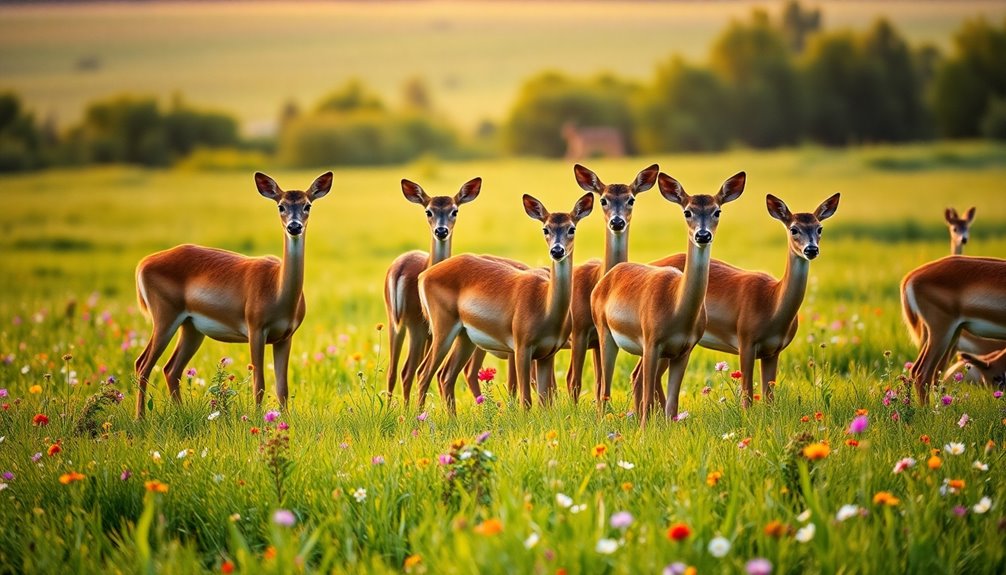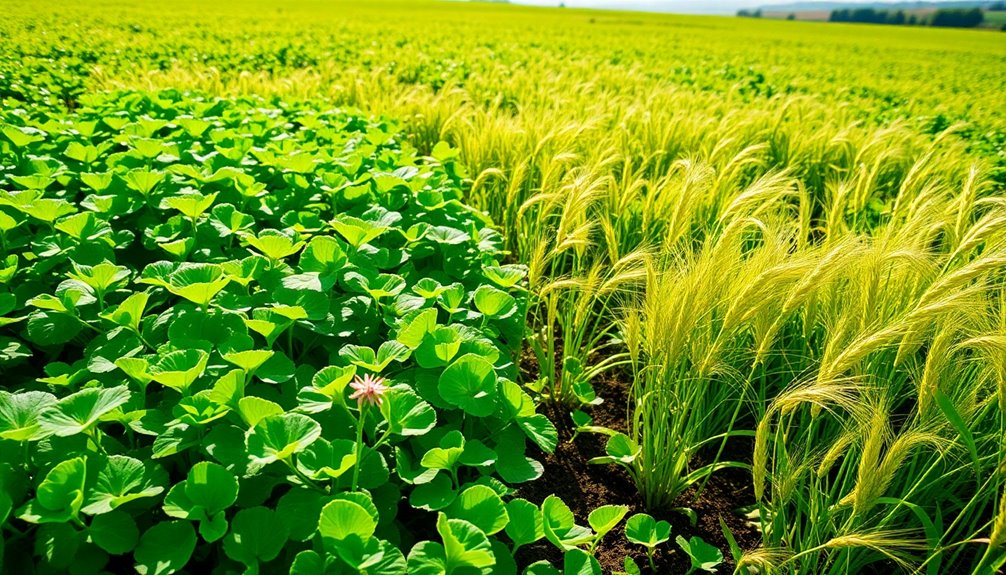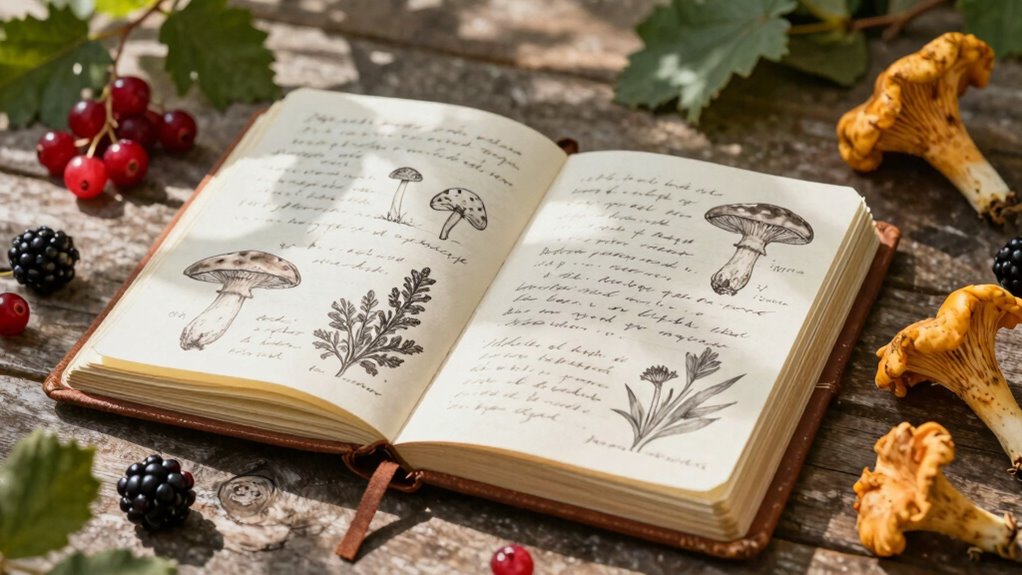
Keeping a foraging journal transforms your experience by helping you identify plants more accurately, track seasonal patterns, and develop personalized strategies for safer, more efficient harvesting. It sharpens your observation skills, notes environmental influences, and reveals ideal foraging times. Over time, you build a detailed reference that boosts your confidence and deepens your connection with nature. If you keep at it, you’ll uncover even more ways to improve your foraging journey and harvest success.

Get garden gear delivered free — and shop member deals
- Fast, free delivery on millions of items
- Access to Prime Big Deal Days deals on October 6–7
- Prime Video, Amazon Music and more included
Key Takeaways
- Enhances learning by providing a personalized, evolving reference for accurate wild plant identification.
- Reveals seasonal and environmental patterns to optimize foraging timing and locations.
- Improves foraging strategies through insights into plant habitats and growth cycles.
- Supports culinary and cultural knowledge, expanding recipes and traditional uses.
- Turns foraging into a continuous, reflective educational journey fostering deeper nature connection.
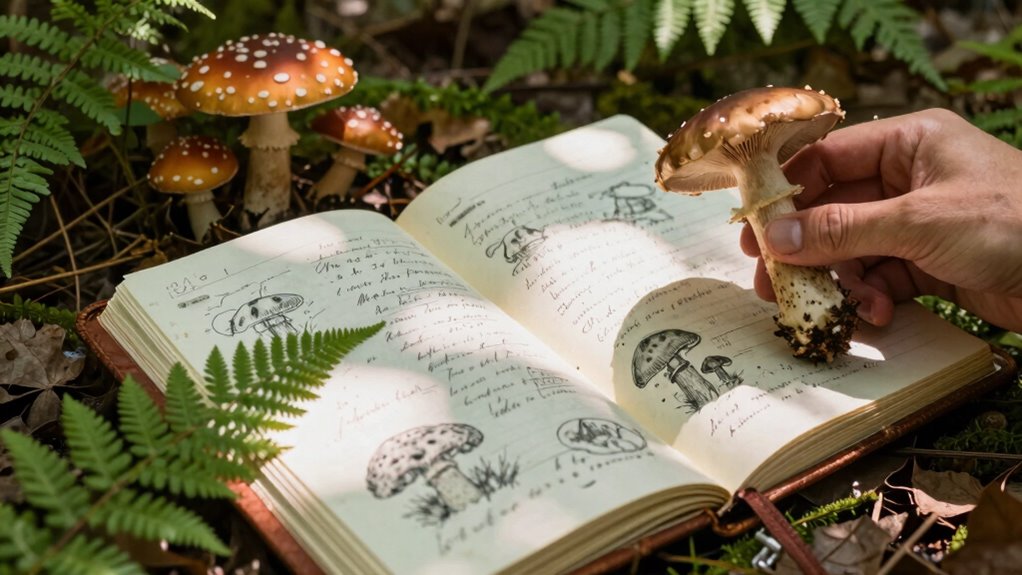
Have you ever considered how much more you could learn from your foraging adventures if you kept a dedicated journal? When you document each trip, you create a personalized record that helps you improve your skills in wild plant identification and understand seasonal foraging patterns. This practice isn’t just about jotting down what you find; it’s about building a detailed reference that grows more valuable over time.
As you start to keep a journal, you’ll notice patterns emerge—what’s available at different times of year, how certain plants change, and which spots yield the best finds. Tracking seasonal foraging patterns means you’ll become more attuned to the natural cycles around you. For example, you might observe that wild berries ripen in late summer, or certain greens flourish in early spring. Over time, this knowledge helps you anticipate where and when to forage, making your outings more efficient and rewarding.
Tracking seasonal patterns enhances your foraging skills and helps you anticipate the best times and spots for wild plants.
Wild plant identification becomes easier as you record detailed descriptions and sketches, or even photos, of the plants you encounter. You’ll note key features like leaf shape, flower color, and growth habits, which make it easier to distinguish edible plants from look-alikes. When you encounter a new plant, your journal acts as a reference guide, reducing the risk of confusion or mistakes. This continuous process sharpens your eye for detail and boosts your confidence in forage safety.
Keeping a journal also encourages you to reflect on past foraging trips. You might realize that certain plants grow in specific soil types or habitats, prompting you to explore new areas. By noting environmental conditions, you’ll learn what influences plant growth and how weather patterns affect availability. This deeper understanding enhances your overall foraging strategy, making each trip more purposeful.
Furthermore, your journal becomes a personal treasure trove of recipes, preparation tips, and traditional uses for wild plants. Over time, you gather insights into how different plants taste and how best to prepare them. This not only expands your culinary repertoire but also deepens your appreciation for the plants you find.
Additionally, understanding the contrast ratio of your tools can help you appreciate the visual clarity and depth of the images you create or observe in your journal, making your record-keeping even more engaging. In essence, maintaining a foraging journal transforms your hobby into a continuous learning experience. It helps you recognize patterns, improve plant identification skills, and plan your adventures with greater intention. Ultimately, your journal becomes a trusted companion, turning each foraging trip into a step toward mastery and a richer connection with nature.
As an affiliate, we earn on qualifying purchases.
Frequently Asked Questions
How Often Should I Update My Foraging Journal?
You should update your foraging journal regularly, ideally after each foraging trip, to keep your plant identification skills sharp and record seasonal observations. Frequent updates help you notice patterns and changes in plant availability and growth cycles. By consistently noting details, you deepen your understanding of local flora, improve your foraging safety, and create a valuable resource for future reference. Regular entries make your journal a practical tool for all your foraging adventures.
What Are the Best Tools for Maintaining a Journal?
Think of your journal tools as a painter’s palette, blending precision and creativity. Use a sturdy notebook or digital app with sections for plant identification and sketches to keep things organized. Waterproof pens, magnifying glasses, and color-coded labels help you capture details vividly. These tools serve as your compass, guiding accurate plant identification and seamless journal organization, making your foraging journey both structured and inspiring.
Can a Foraging Journal Help Identify Edible Plants?
Yes, a foraging journal helps you identify edible plants by recording plant features, habitats, and seasonal changes, which improves plant identification skills. It also encourages you to note safety precautions, such as avoiding look-alikes and toxic plants. By documenting your findings, you build a reliable reference over time, boosting confidence in your foraging ability and ensuring you stay safe while exploring wild foods.
How Detailed Should My Journal Entries Be?
You should make your journal entries detailed enough to include plant identification features and seasonal patterns. Nearly 80% of foragers find that detailed notes help prevent misidentification. Include descriptions, photos, and notes on when plants emerge and how they change through seasons. This level of detail guarantees you recognize plants correctly, track their growth cycles, and stay safe, making your foraging experience smarter and more sustainable.
Is Digital or Paper Better for Foraging Journaling?
You should choose digital or paper based on your preferences. Digital organization offers quick access, easy editing, and seamless backups, making it great for detailed entries and photos. Paper aesthetics, on the other hand, provide a tactile experience, inspiring creativity and a personal touch. If you prefer convenience and searchability, go digital. If you value tradition and handwritten notes, opt for paper. Either way, consistency enhances your foraging journey.
Conclusion
Keeping a foraging journal truly transforms your experience. It’s like having a map in unfamiliar territory—you’ll notice patterns, learn from mistakes, and deepen your connection with nature. Over time, your knowledge grows, making each outing more fruitful and enjoyable. Don’t let this opportunity slip through your fingers; it’s the secret sauce to becoming a savvy forager. Once you start, you’ll realize it’s a game-changer, turning ordinary walks into extraordinary adventures.
Fall yard work Picks
leaf blowers
As an affiliate, we earn on qualifying purchases.