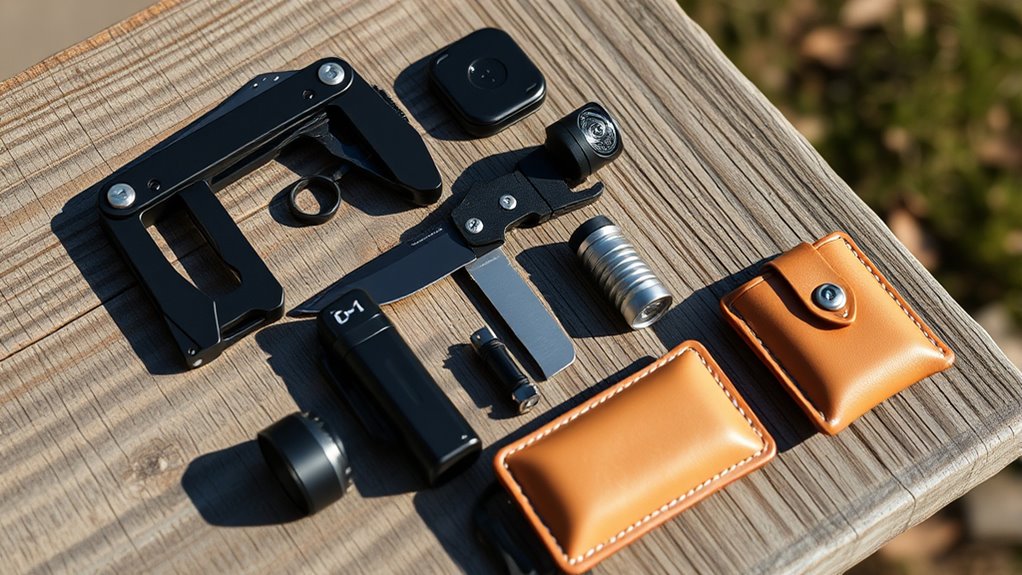

To build a minimalist field kit that truly earns its place, focus on versatile, high-quality gear that serves multiple purposes while keeping weight low. Prioritize essentials like a multi-tool, compact shelter, lightweight clothing, and a reliable water filter. Choose items that are durable, quick-drying, and suited for various conditions. Every piece should have a clear role, avoiding redundancies. Stick with this strategic approach, and you’ll find that simple, effective gear can handle most challenges you’ll face.
Listen free for 30 days with Audible
Thousands of audiobooks and originals — cancel anytime.
As an affiliate, we earn on qualifying purchases.
Key Takeaways
- Prioritize versatile, multi-use tools like Swiss Army knives and lightweight tarps to maximize utility while minimizing gear.
- Select high-quality, layered clothing that is quick-drying and adaptable to various weather conditions.
- Focus on essential items that serve multiple purposes, such as compact water filters that also function as containers.
- Minimize redundancy by removing single-use or bulky gear, ensuring each item has a clear, critical function.
- Regularly evaluate and update your kit based on environment and experience to maintain minimalism and practicality.
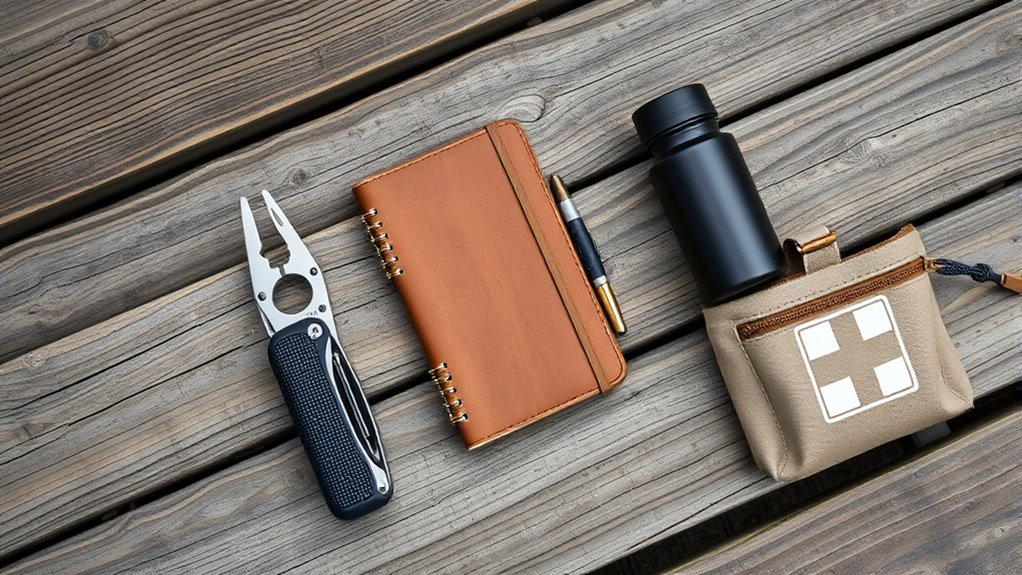
When heading out into the field, having a minimalist kit makes sure you’re prepared without carrying unnecessary weight. You want compact gear that’s easy to carry, yet reliable enough for any situation. The goal is freedom—liberation from bulk, from overpacking, from feeling weighed down by gear that rarely gets used. With the right selection of versatile tools, you can adapt to a multitude of challenges, whether you’re orienting yourself through terrain, making repairs, or handling unexpected setbacks. This isn’t about carrying everything; it’s about choosing the essentials that serve multiple purposes, keeping your load light and your mind focused.
Every item in your kit should earn its place. Compact gear is the backbone of this philosophy. Think multi-use items—a Swiss Army knife, a lightweight tarp that can serve as shelter or a ground cover, a small but powerful flashlight, and a multi-channel radio or signal mirror. These tools don’t just take up minimal space; they maximize your capability. Versatile tools mean fewer things to carry, fewer things to forget, and fewer things that can break or malfunction. They’re your Swiss Army knife in the wild, ready to cut, open, screw, or saw as needed. A compact water filter can serve both as a purifier and a container, and a durable cord can be used for repairs, securing gear, or creating makeshift snares.
Additionally, understanding the importance of resources and tools available can help you select the most effective gear for your needs. The trick is to prioritize quality over quantity. Instead of bulky, single-use items, opt for gear that does double duty. For example, a rugged, lightweight paracord can replace many single-purpose items in your kit. Your clothing should also be versatile—layered, quick-drying, and suitable for different weather conditions. Think lightweight, moisture-wicking base layers, a compact rain shell, and a hat that can serve for sun or rain protection. Every piece should be chosen with purpose, reducing redundancy and maximizing utility.
compact multi-tool Swiss Army knife
As an affiliate, we earn on qualifying purchases.
As an affiliate, we earn on qualifying purchases.
Frequently Asked Questions
How Do I Customize My Kit for Different Environments?
You customize your kit for different environments by exploring personalization options that suit each setting. Add environment-specific gear like water purifiers for wilderness or compact masks for urban areas, ensuring your kit remains lightweight and adaptable. Think of your gear as an extension of your freedom—swap out tools to match the terrain, so you stay prepared, liberated from unnecessary bulk, and ready to embrace whatever the environment throws your way.
What Are the Best Lightweight Materials for Field Gear?
Did you know that ultralight fabrics make up over 60% of advanced outdoor gear? You should prioritize materials like ultralight fabrics and durable composites to stay agile and free in the wild. These materials reduce weight without sacrificing strength, giving you the confidence to explore unbound. With gear made from these cutting-edge fabrics, you’ll experience true liberation — lightweight, tough, and ready for anything your adventure throws at you.
How Often Should I Reassess and Update My Kit?
You should reassess and update your kit regularly, ideally every three to six months. Incorporate routine maintenance and gear inspection into your schedule to keep everything in peak condition. This way, you stay freed from outdated gear and ensure your kit remains lightweight and effective. Regular checks empower you to adapt to changing needs, so your gear continues to serve you without unnecessary weight or clutter.
Are There Multi-Use Tools That Save Space and Weight?
Yes, multi-purpose tools are perfect for saving space and weight in your kit. They combine functions like knife, screwdriver, or pliers, reducing the need for multiple items. Space-saving gear like compact multi-tools lets you stay agile and free, without sacrificing versatility. Embrace these essentials to streamline your setup, making it easier to move freely and adapt to any situation with confidence and minimal clutter.
How Can I Ensure My Kit Is Weather-Resistant?
To guarantee your kit is weather-resistant, choose gear made from waterproof fabrics that repel moisture and keep your essentials dry. Use moisture barriers inside your pack or compartments to protect against unexpected rain or damp conditions. Opt for waterproof zippers and seal seams tightly. This approach liberates you from worries about weather, letting you focus on your adventure without sacrificing lightweight efficiency or functionality.
Conclusion
A minimalist field kit proves that less truly can be more. By carefully selecting only what’s essential, you stay prepared without the weight of unnecessary gear. Remember, “A place for everything, and everything in its place”—simplicity keeps you agile and ready for anything. Stick to the essentials, trust your choices, and enjoy the freedom that comes with a well-edited kit. After all, it’s better to have what you need than to be weighed down by excess.
Flea & tick season Picks
flea and tick prevention
As an affiliate, we earn on qualifying purchases.