
To twist nettle and dogbane fibers into cordage, start by harvesting long, strong fibers from their stems or bark. Soak them to soften, then carefully extract and clean the fibers, ensuring they’re smooth and pliable. Twist the fibers evenly between your fingers or around sticks, creating strong, cohesive strands. For added strength and length, ply multiple strands together. Keep practicing these traditional techniques, and you’ll uncover more ways to craft durable cordage.
Key Takeaways
- Harvest long, strong fibers from nettle and dogbane plants, removing outer bark or stems for quality material.
- Soak and extract fibers carefully, then clean and align them to ensure smooth, pliable strands.
- Twist fibers between fingers or around sticks using traditional methods, applying even tension for cohesion.
- Combine multiple twisted strands through ply twisting to create thicker, stronger cords suited for various needs.
- Proper fiber preparation and twisting techniques result in durable, resilient cordage for shelter, tools, or craft projects.

Ever wondered what makes a strong, reliable rope? It’s the careful craft of natural fiber processing combined with traditional twisting techniques that transforms raw plant materials into sturdy cordage. When you’re seeking liberation from modern, synthetic restraints, understanding this ancient art can empower you to create your own durable cords from simple, naturally sourced fibers like nettle and dogbane. These fibers, when properly prepared, hold the key to freedom—unbreakable ties that connect you to tradition and self-sufficiency.
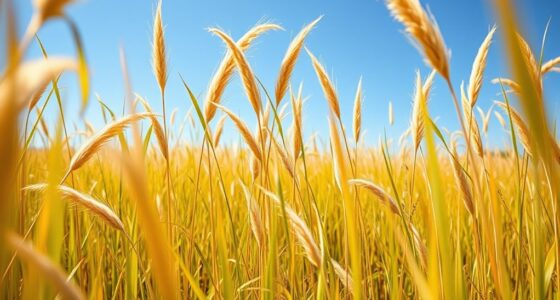
The journey begins with natural fiber processing. You need to harvest the fibers carefully, choosing plants like nettle or dogbane, which are rich in strong, long fibers ideal for cordage. Once gathered, you remove the outer bark or stems to access the inner fibers. This process involves soaking the plant material to soften it, making it easier to extract the fibers. Then, you painstakingly separate and clean the fibers, removing any remaining plant debris and ensuring they are smooth and pliable. This step is vital because it directly impacts the strength and flexibility of your final rope. When you master natural fiber processing, you gain control over the entire creation process—no reliance on commercial supplies, no dependency on industrial manufacturing.
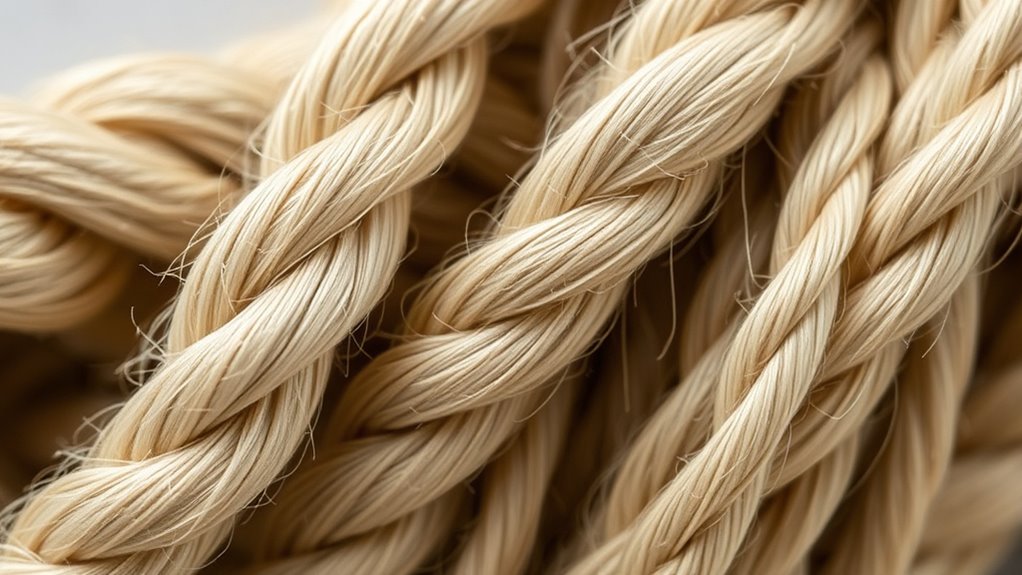
Additionally, understanding fiber preparation techniques helps improve the durability and strength of your cords, ensuring they hold up under stress and use. Next, you turn to traditional twisting techniques. These methods are centuries old, passed down through generations, and they’re essential for transforming processed fibers into strong, cohesive cordage. You take a bundle of prepared fibers and start twisting them between your fingers or around a stick, applying even tension as you go. The twist binds the fibers together, creating a resilient strand that can withstand tension and strain. For added strength, you often twist multiple strands together in a process called ply twisting, then coil these strands into a rope. This technique allows you to customize the thickness and strength of your cord, making it suitable for everything from securing shelter to crafting tools.
Frequently Asked Questions
Can Nettle and Dogbane Fibers Be Dyed Easily?
Yes, you can dye nettle and dogbane fibers easily. With proper plant preparation, you activate vibrant, lasting colors through fiber dyeing. Start by cleaning and retting the fibers to remove impurities, then mordant them to guarantee the dye bonds well. Natural dyes from plants or other sources work beautifully on these fibers, giving you the freedom to express your creativity and craft unique, colorful creations with ease.
How Long Do Naturally Made Cords Last Outdoors?
Naturally made cords, if you’re daring enough to use them outdoors, typically last about one to three years—assuming environmental factors don’t stage a hostile takeover. Fiber aging accelerates with sun, moisture, and temperature swings, so don’t expect them to hold up like synthetic counterparts. But hey, if you crave liberation from plastics, embracing their fleeting life is a small price for connecting with nature’s impermanence.
Are There Health Risks When Processing Nettle Fibers?
Yes, there are some health risks when processing nettle fibers. You might encounter fiber allergies, which can cause skin irritation or respiratory issues if you’re sensitive. To stay safe, use gloves and work in a well-ventilated area during processing. Prioritize processing safety by handling the fibers carefully and washing your hands afterward. This way, you enjoy the freedom of working with natural fibers without risking your health.
What Tools Are Best for Twisting Natural Fibers?
You should use suitable hand tools like a distaff, spindle, or a simple rod to twist natural fibers. These tools make fiber twisting techniques more efficient and freeing, allowing you to work comfortably and with control. By choosing the right tools, you can effortlessly create strong, even cords, empowering your craft and connecting you with ancient traditions. Embrace these tools to transform raw fibers into functional art, liberating your creative spirit.
Can These Fibers Be Used for Waterproof Cordage?
Like a river breaking free from its banks, these fibers can be transformed into waterproof cordage through specific techniques. While natural fibers like nettle and dogbane boast fiber durability, they aren’t inherently waterproof. To unleash their full potential, you must employ waterproofing techniques such as resin impregnation or wax coating. This process grants you the liberation to craft resilient, water-resistant cords, empowering your adventures and freeing you from reliance on synthetic materials.
Conclusion
Just as a weaver carefully twists fibers into a strong thread, you shape your skills with patience and intention. Each twist, like a moment of persistence, adds strength to your craft, transforming raw materials into something essential. Remember, the art of cordage is a dance between nature and your hands—an ongoing story of connection and resilience. Keep twisting, keep learning, and soon you’ll weave your own enduring legacy from simple fibers.