TL;DR

Get garden gear delivered free — and shop member deals
- Fast, free delivery on millions of items
- Access to Prime Big Deal Days deals on October 6–7
- Prime Video, Amazon Music and more included
A Country Living report describes five ways gardeners can reuse plain cardboard: suppressing weeds, preparing soil, making paths, adding compost browns and protecting brassicas from cabbage root fly. It advises removing tape and other attachments, avoiding coated or contaminated cardboard, and not piling it against plant stems or tree trunks.
Country Living has published five ways to reuse cardboard in the garden, including weed suppression, soil preparation, paths, compost and collars around brassica plants. The guide, drawing on advice from gardeners and packaging specialists, says to use plain, uncoated cardboard after removing tape, labels, plastic and staples.
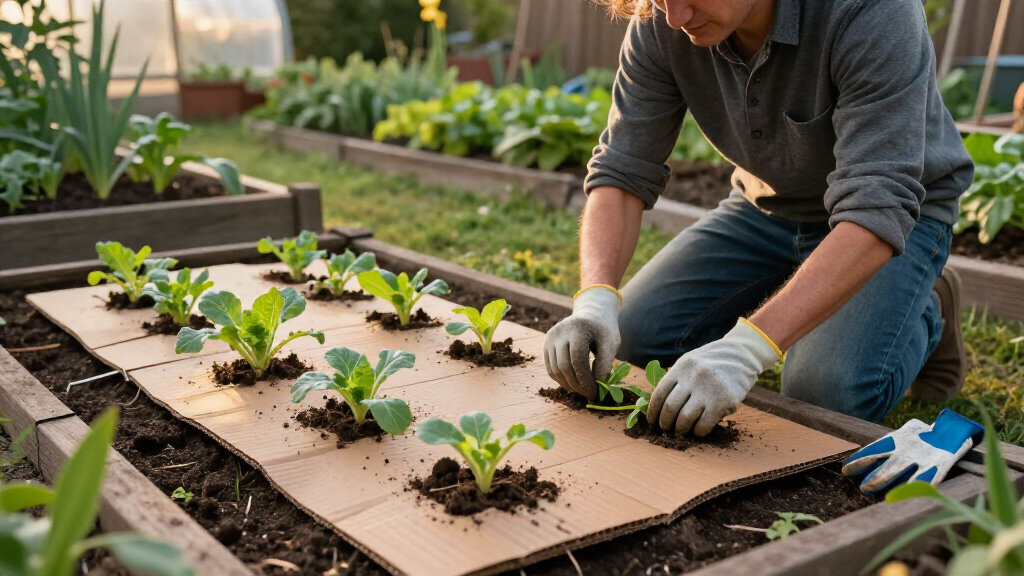
For a weed barrier, the report recommends clearing large weeds, stones and thick stems, then placing overlapping sheets of cardboard on the soil. Wet the sheets so they stay in place and cover them with compost, leaves, bark or other organic mulch. The overlap helps limit gaps where weeds could grow through. The guide says autumn can be a useful time to cover empty beds, leaving the material months to soften and break down before spring.
Cardboard can also be laid beneath woodchip or bark to form a simple garden path. For compost heaps with open sides, it can line gaps to keep material from falling out; crumpled or shredded cardboard can be added as a “browns” ingredient alongside greener material. Another suggested use is a collar around brassicas: cut a six- to eight-inch-wide piece, make a slit to fit it around the plant base, and weigh it down in windy conditions. The report presents this as a way to help deter cabbage root fly.
Material choice and placement matter. Tom Schott, managing director of Schott Packaging, advises against glossy, laminated, waxed or heavily coated boxes, which he says are not suited to gradually breaking down in soil. He also warns against cardboard contaminated by oil, chemicals or unknown substances. Loren Taylor, owner of Outdoor Fountains Pro, cautions that thick layers can slow water movement and take too long to decompose; cardboard should not be piled against tree trunks or plant stems.
Where Cardboard Can Help in the Garden
These suggestions give gardeners a way to reuse suitable packaging while addressing routine tasks: covering bare soil, reducing weed growth, keeping compost contained and making an informal path. The guide describes cardboard as a material that can gradually break down, rather than a permanent garden barrier. Its usefulness depends on selecting appropriate material and applying it in a way that does not block water or crowd plants.
The advice also has limits. The article does not establish how effective cardboard collars are against cabbage root fly in different conditions, or how quickly cardboard breaks down in every garden. Those results can depend on the material, weather, soil and how it is covered. The recommendations are practical guidance from the cited contributors, not a guarantee of a particular outcome.
As an affiliate, we earn on qualifying purchases.
Choosing and Preparing the Cardboard
The report identifies plain brown shipping boxes with minimal printing as a suitable option. Before use, gardeners should remove tape, labels, staples and plastic packaging. Schott says standard cardboard is preferable because coated or treated surfaces are made to behave differently around moisture and may not break down as intended.
The seasonal recommendation comes from the report’s focus on autumn garden work. Schott says autumn is a good time to save suitable boxes for empty beds, while Taylor says soil is still warm and weed growth is slowing. Both describe covering beds as a way to give cardboard time to soften over winter. This is advice for preparing beds, not a claim that every garden or climate follows the same seasonal timetable.
“A few overlapping sheets are usually enough.”
— Loren Taylor, owner of Outdoor Fountains Pro
Limits of the Garden Advice
The report does not give controlled test results, specific breakdown times or comparisons of cardboard methods across soil types and climates. It also does not quantify how much weed growth or cabbage root fly damage the suggested methods may prevent. The cabbage collar is described as a way to help deter the fly, not as a proven or complete form of pest control.
Readers should also assess the history of each box. Schott advises recycling packaging through the appropriate waste stream if it may have been exposed to oil, chemicals or other substances. The article does not list every coating or contaminant gardeners might encounter, so uncertain material should not be assumed safe for garden use.
How to Apply the Suggestions
Gardeners following the guide can start by sorting boxes and setting aside only clean, plain cardboard. For a bed, remove large weeds and debris, overlap a few sheets, wet them and add an organic cover. For compost or a path, shred or crumple material where appropriate, or place it under a layer of woodchip or bark. Keep cardboard clear of stems and trunks, and avoid a thick pile that could interfere with water movement.
For brassicas, the report suggests fitting a six- to eight-inch collar around each plant base and securing it if wind is a concern. The guide does not provide a follow-up assessment of these methods; their performance will depend on local conditions and the care taken in choosing and placing the cardboard.
Key Questions
What kind of cardboard is suitable for garden use?
The report recommends plain brown cardboard with minimal printing. Remove tape, labels, plastic and staples, and avoid glossy, laminated, waxed or heavily coated boxes.
How do you use cardboard to suppress weeds?
Clear large weeds, stones and thick stems, then lay overlapping sheets over the soil. Wet the cardboard and cover it with compost, shredded leaves, bark or another organic mulch.
Can cardboard go in a compost heap?
Yes. The report suggests using crumpled or shredded cardboard as a browns ingredient, or lining gaps in a mesh or pallet-sided heap so compost materials do not fall through.
Does a cardboard collar prevent cabbage root fly?
The guide recommends a six- to eight-inch-wide cardboard collar around brassica stems to help deter cabbage root fly. It does not provide evidence that collars prevent all damage.
Which cardboard should not be used in a garden?
Avoid coated boxes and cardboard contaminated with oil, chemicals or unknown substances. Schott advises recycling packaging through the appropriate waste stream when its history is unclear.
Source: rss
Fall yard work Picks
leaf blowers
As an affiliate, we earn on qualifying purchases.