TL;DR

Get garden gear delivered free with Prime
- Fast, free delivery on millions of items
- Prime Video, Amazon Music and more included
- Member-only deals all year
An Amateur Gardening report outlines seven plants that can add dark foliage, unusual seed pods or late-season flowers to a Halloween garden. Horticultural therapist Kendall Platt says many plants can still be planted in September and October if the ground is not frozen; the report also warns that doll’s eyes berries are toxic if eaten.
Amateur Gardening has published a guide to seven dark-leaved or unusual plants for a Halloween garden, including dark heucheras, black grass and plants with distinctive seed pods or berries. The report, featuring advice from horticultural therapist Kendall Platt, says planting can still be possible in September and October if the ground is not frozen. It also warns that doll’s eyes berries are toxic if eaten.
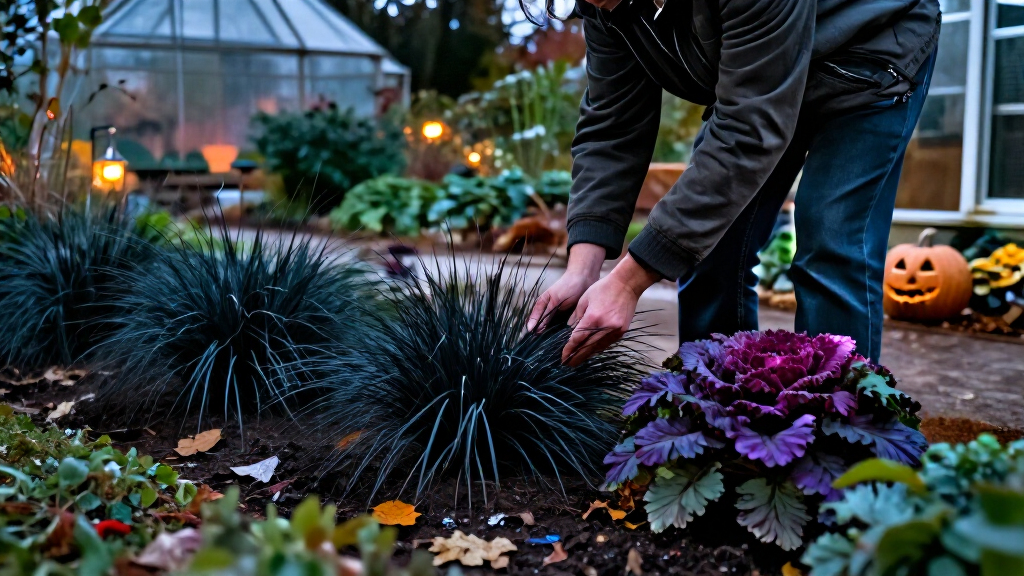
The suggested plants are heuchera, black grass, elderberry ‘Black Lace’, smoke bush, Decaisnea fargesii, witch hazel and Actaea pachypoda, commonly called doll’s eyes. Their features include dark foliage, distinctive shapes or seasonal details: heuchera leaves can have pronounced veins or dark speckles, while Decaisnea fargesii produces unusual seed pods and Actaea pachypoda bears pale berries.
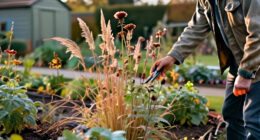
Platt recommends heuchera cultivars such as ‘Wild Rose’ or ‘Midnight Rose’. The report says darker varieties generally suit shade or partial shade, and describes heuchera as low-maintenance and suitable for planting throughout the year. It says black grass, identified as Ophiopogon planiscapus ‘Nigrescens’, can grow in full sun or partial shade, prefers moist but well-drained soil and may spread through borders if seed pods are not managed.
For elderberry ‘Black Lace’, the guide recommends a sunny position and says cutting it back to the ground in early spring can help control its size and maintain foliage. Smoke bush (Cotinus) is noted for dark purple leaves and autumn seed heads; the report says it needs at least six hours of sun for especially dark foliage and well-drained soil. Decaisnea fargesii is described as suited to moist, well-drained soil in full or partial sun. Witch hazel produces orange, spider-like flowers, while Actaea pachypoda prefers moist soil and partial shade.
Choosing Plants for a Seasonal Display
The guide describes how gardeners can create a Halloween-themed display using living plants as well as temporary decorations. Its planting notes link the appearance of plants with their growing conditions: light exposure can affect foliage colour, and moisture needs vary across the list.
Safety matters when selecting plants for a garden used by children or pets. The source specifically warns that Actaea pachypoda berries are toxic if eaten. Gardeners should identify the plant clearly and prevent children and pets from eating its berries; the source does not provide further toxicity details or a broader pet-safety assessment for the other plants.
The report also suggests using existing garden materials and seasonal harvests to complete the display. It recommends allowing creeping plants to spread through baskets or rockeries, displaying home-grown pumpkins and gourds, and reusing broken pots or ornaments.
dark foliage Halloween garden plants
As an affiliate, we earn on qualifying purchases.
As an affiliate, we earn on qualifying purchases.
Autumn Planting and Plant Care
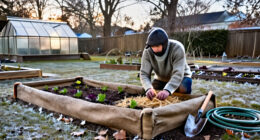
The article is a seasonal gardening report, not an announcement of a new plant variety or a change in gardening guidance. It says autumn planting may still be possible ahead of Halloween and winter. Platt tells Amateur Gardening: “There are a variety of plants that can be planted this month. If you can buy them, you can plant them as long as the ground isn’t frozen.”
Platt also says September and October can be favourable for planting because temperatures may remain warm and rainfall may increase. That is general advice in the report, not a guarantee for every location or plant. The suggested choices have different light and soil preferences, and the article advises checking those conditions before deciding where to plant.
For finishing touches, the report proposes using creeping and trailing plants in place of plastic greenery, and repurposing broken ceramic planters or ornaments. It also suggests adding pumpkins and gourds, including darker-coloured varieties where available. These are styling suggestions from the article, rather than requirements for growing the seven featured plants.
“There are a variety of plants that can be planted this month. If you can buy them, you can plant them as long as the ground isn’t frozen.”
— Kendall Platt, horticultural therapist, speaking to Amateur Gardening
Local Conditions and Plant Safety
The source does not specify the article’s publication date or give region-by-region planting advice. Whether September or October planting is suitable depends on local weather, soil and frost conditions; the report’s guidance is conditional on the ground not being frozen. It also does not give detailed care schedules or mature sizes for every plant.
The report flags Actaea pachypoda berries as toxic if eaten but does not detail symptoms, exposure risks or veterinary advice. Readers should not treat the article as a complete safety assessment, particularly where children or pets may have access. No independent expert or botanical source is included in the supplied material to verify care or toxicity claims beyond the report’s attributions.
Check Conditions Before Planting
Gardeners considering the display should check whether their soil is workable and whether each plant’s light and moisture needs match the intended location. The next practical step is to confirm plant identification and care instructions with a reputable nursery or gardening reference, especially for Actaea pachypoda, and to keep its berries away from children and pets.
The source does not report a follow-up event or a scheduled update. Planting will depend on local conditions: the report says autumn planting may proceed where the ground is not frozen. It also suggests completing the seasonal display with trailing plants, pumpkins, gourds and reused garden ornaments.
Key Questions
Which plants does the Halloween garden guide recommend?
It lists heuchera, black grass, elderberry ‘Black Lace’, smoke bush, Decaisnea fargesii, witch hazel and Actaea pachypoda, or doll’s eyes.
Can these plants be planted in autumn?
Horticultural therapist Kendall Platt says plants can be planted if they are available and the ground is not frozen. Local conditions and each plant’s requirements still matter.
Which plant in the list is toxic?
The report warns that Actaea pachypoda berries are toxic if eaten. Keep the berries away from children and pets, and seek authoritative advice if an exposure occurs.
Where should dark-leaved heuchera be planted?
The guide says darker heuchera varieties generally prefer shade or partial shade. Check the requirements of the specific cultivar before planting.
How can gardeners finish the Halloween look without plastic decorations?
The report suggests using trailing plants, pumpkins and gourds, and repurposing broken pots or garden ornaments as part of the display.
Source: rss
Fall Picks
fall essentials
As an affiliate, we earn on qualifying purchases.