
TL;DR

Get garden gear delivered free with Prime
- Fast, free delivery on millions of items
- Prime Video, Amazon Music and more included
- Member-only deals all year
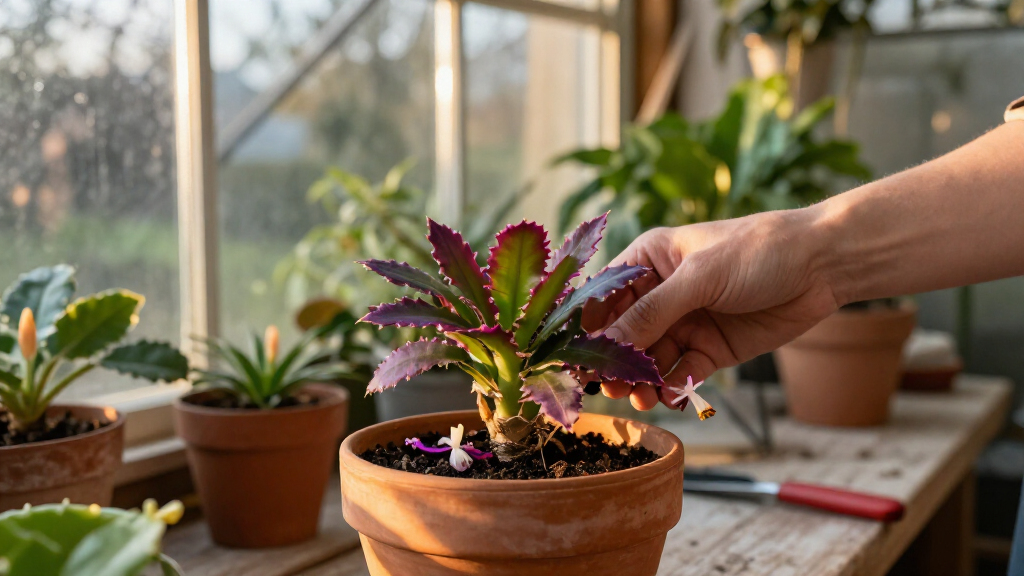
A Christmas cactus’s green stem segments may turn purple when the plant is stressed, according to Gardener’s Path. Common causes include too much direct light, improper watering, nutrient shortages and temperature extremes; the color alone does not identify which condition is responsible.
Purple Christmas cactus stems can be a sign of stress rather than a normal change in color, according to a Gardener’s Path report. The report identifies bright direct light, improper moisture, nutrient deficiencies and temperature extremes as possible causes, and says growers should check the plant’s conditions before trying to correct the discoloration.
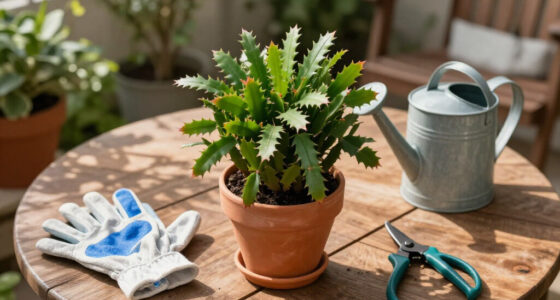
Christmas cactus, a group of Schlumbergera species and hybrids, is an epiphyte associated with rainforest habitats, not a desert cactus. Its segmented stems are typically green. Gardener’s Path says stressed plants may develop purple, red or pink tones, and may also produce thread-like aerial roots between segments. Neither sign, by itself, establishes the precise cause.
Excessive direct sunlight is one possibility. The report says a plant adapted to filtered light may produce purple-pigmented compounds in response to intense exposure. Prolonged direct sun can also scorch and damage stem tissue. It recommends placing the cactus in indirect or filtered light rather than assuming that more sun will improve its condition.
Watering problems can run in either direction, the report says. Underwatering can leave a plant stressed and eventually brittle, while overwatering may lead to yellowing and, in severe cases, purple-to-brown discoloration and mushy tissue. Gardener’s Path advises using a pot with drainage and a loose, well-draining mix, and watering when the top one to two inches of potting medium feel dry.
Check Conditions Before Treating
The color change matters because several different stresses can produce similar symptoms, while the remedies are not interchangeable. More water will not help an overwatered plant, and moving a cactus into stronger sun could add to light stress. Checking the soil, drainage, recent watering and where the plant sits can help narrow down the cause before the grower makes a change.
Some causes may require attention beyond adjusting placement or watering. Gardener’s Path notes that waterlogged roots may be unable to function properly and that severe rot can damage the plant. If roots are rotten, the report suggests removing affected portions and repotting in lightly moistened medium; healthy stem sections may sometimes be propagated if damage is extensive. These are options described by the source, not a guarantee that a plant will recover.
Temperature and nutrition also matter. A plant in an unusually hot, cold or fluctuating location may be stressed, and a depleted potting mix or damaged roots may interfere with nutrient uptake. The report’s guidance gives readers several checks to make, but does not offer a diagnostic test that links a particular shade of purple to one specific deficiency or condition.
Popular right now

Hisense 40-Inch Class QD4SR Series Hi-QLED FHD Smart Roku TV (2026 Model)

Ninja Foodi 8-Qt DualZone 6-in-1 Air Fryer, Grey, DZ201

Dyson Cyclone V10 Origin Cordless Vacuum
As an affiliate, we earn on qualifying purchases.
A Rainforest Cactus at Home
Although its common name refers to Christmas, this plant is not a desert cactus. Gardener’s Path describes Schlumbergera as an epiphyte that naturally grows on trees or rocks for support in rainforest environments, drawing resources from rain, air and nearby leaf litter. That background helps explain why the report emphasizes filtered light and a growing medium that drains well rather than desert-cactus conditions.
The report groups the possible triggers into four categories: light, moisture, nutrients and temperature. It recommends keeping the plant away from direct intense sunlight and from extreme temperature swings. For routine watering, it says to let the top one to two inches of the medium dry before watering again, while also avoiding prolonged dryness. It gives a general room-temperature range of 70 to 80°F, while noting that a short-term temperature change may be used during dormancy to prepare the plant to bloom.
For suspected nutrient problems, Gardener’s Path points to old or poor-quality potting medium, tightly tangled roots and root damage as possible factors. It recommends quality potting medium and repotting when needed, generally in a slightly larger pot. The source also discusses fertilizer, but the symptoms alone do not confirm which nutrient, if any, is lacking.
Purple Color Has Several Causes
Purple coloration is not a diagnosis, and the report does not provide a way to identify the cause from color alone. It is not clear whether any specific plant has been examined or whether its discoloration reflects light exposure, watering, nutrients, temperature or more than one factor. The condition of the stems and roots, the potting medium and the plant’s recent care all need to be considered.
The report also does not quantify how often each cause occurs or establish that purple stems always indicate serious damage. It describes possible stress responses and practical care steps, but outcomes will depend on the plant’s condition. In particular, the suggested nutrient remedies should not be treated as proof that a plant has a specific deficiency.
Review Care and Watch for Change
Growers can start by checking whether the cactus receives direct sun, whether the pot drains freely, and how dry the medium is below the surface. They can also look for mushy or damaged tissue and consider recent changes in room temperature or potting conditions. Make adjustments that fit the evidence—for example, moving the plant to filtered light or correcting a drainage problem—rather than changing several care factors at once.
After a change, monitor the plant’s stem texture, color and overall condition. If the discoloration continues or the stems become mushy, the report’s guidance points to checking the roots and medium for water damage and considering whether repotting or propagation may be appropriate. The source provides no timeline for recovery, so how quickly a particular plant will respond remains uncertain.
Key Questions
Does purple mean my Christmas cactus is dying?
Not necessarily. Gardener’s Path says purple stems can indicate stress from light, water, nutrients or temperature. The color alone does not establish how serious the problem is; also check whether stems are brittle or mushy and inspect the growing conditions.
How much light should a Christmas cactus get?
The report recommends indirect or filtered sunlight and cautions that intense direct sun may cause discoloration and scorch damage. It does not give a specific number of hours of light.
How often should I water it?
Rather than using a fixed schedule, Gardener’s Path advises watering when the top one to two inches of potting medium feel dry. A pot with a drainage hole and a loose, well-draining mix can help reduce the risk of waterlogged roots.
Can cold or heat make the stems purple?
Yes, temperature extremes may be a cause, according to the report. It advises avoiding extreme fluctuations and gives a general room range of 70 to 80°F, while noting that a short temperature change may be used during dormancy to prepare for blooming.
Should I fertilize a purple Christmas cactus?
Not based on color alone. The report lists nutrient deficiency as one possible cause, but purple stems do not confirm a shortage. Check the potting medium, roots and watering conditions first; the source recommends quality medium and appropriate repotting when needed.
Source: gardenerspath.com