TL;DR

Get garden gear delivered free with Prime
- Fast, free delivery on millions of items
- Prime Video, Amazon Music and more included
- Member-only deals all year
An Ideal Home gardening report lists seven fruit trees that can suit smaller gardens: pear, plum, fig, apple, mulberry, cherry and peach. It recommends looking for compact or dwarfing trees and checking whether a variety needs another tree for pollination; pots and trained forms can also help save space.
Ideal Home has published a guide to seven fruit trees that gardening experts say can suit smaller gardens, giving people with limited outdoor space options for growing fruit at home. Its recommendations include pear, plum, fig, apple, mulberry, cherry and peach, with advice to consider compact varieties, dwarfing rootstocks and pollination needs before choosing a tree.
The report’s central advice is to choose a tree whose mature size and pollination requirements fit the available space, including self-pollinating fruit trees. Julian Palphramand, head of plants at British Garden Centres, says trees bred to stay small are often grown on dwarfing rootstocks. He also recommends self-fertile varieties where possible, because they can set fruit without a second tree for pollination. That distinction matters: the report says many apple varieties need more than one tree, while citing ‘Braeburn’ and ‘Red Falstaff’ as self-fertile options for a single-tree garden.
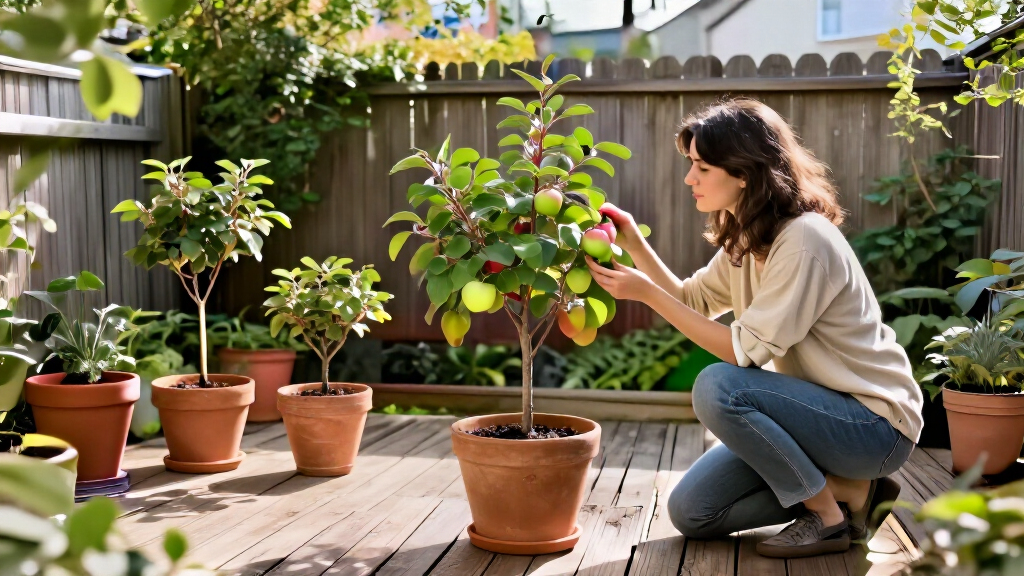
Several suggestions make use of trees grown in containers or vertical space. Richard Barker, horticultural expert and commercial director of LBS Horticulture, says figs can crop well with restricted roots, making them suitable for pots, and can be trained flat against a wall. He names ‘Brunswick’ and ‘Brown Turkey’. For apples, he describes cordon or espalier training against a wall as a way to save space. The report also recommends looking for dwarf or patio mulberries and identifies ‘Stella’ as a self-fertile cherry choice; ‘Lapins’ and ‘Sunburst’ are other self-fertile cherries named by Palphramand.
Plums can offer spring blossom as well as fruit, according to the report, and autumn plants that attract bees and butterflies can add pollinator value to a garden. Lucie Bradley, a gardening and greenhouse expert at Harvst Automatic Watering, recommends the self-fertile ‘Opal’ and ‘Victoria’. For pears, Palphramand calls ‘Concorde’ a reliable self-fertile choice, while saying ‘Doyenné du Comice’ is a good option where there is room for a pollinator. The source’s peach discussion is incomplete in the supplied material: it says dwarfing peaches and nectarines can suit small gardens, especially against a warm, sunny wall, but provides no further variety recommendations.
Choosing Fruit Trees for Tight Spaces
The guide addresses a practical constraint for home growers: a small garden may not have room for a full-sized tree or for multiple trees needed for pollination. Choosing a compact, self-fertile variety can reduce those space demands, although the report does not claim that every recommended tree will thrive in every garden. The right choice depends on the variety, available light, growing conditions and room for its eventual size.
Some options also offer ways to use space that might otherwise go unused. Container growing can suit figs, while wall training can make use of a sunny vertical surface for figs or apples. The report links trees with more than harvests: plums and cherries provide spring blossom, and cherries also have attractive autumn foliage. These are expert recommendations reported by Ideal Home, rather than results from a comparative trial.
As an affiliate, we earn on qualifying purchases.
Autumn Planting and Root Growth
The source recommends autumn as a planting period, saying soil remains warm after summer and seasonal rainfall can provide moisture while a tree establishes roots before spring and summer growth. Pim Dickson, senior horticulturist at Fothergill’s, explains that plants can focus on establishing roots before the demands of warmer-season growth begin. The report does not provide a specific planting date or regional guidance, so local weather and the tree’s condition still matter.
For mulberries, Bradley distinguishes between potted and bare-root trees. She advises that a potted dwarf mulberry can be planted in early to mid-autumn, while bare-root stock should wait until later autumn after entering dormancy. The report presents that as planting guidance from an expert; it does not give detailed instructions for soil preparation, watering schedules or pruning for every species.
““The trick is to choose trees bred to stay small (often called ‘dwarfing’ rootstocks) and, where possible, self-fertile varieties so you don’t need a second tree to pollinate them.””
— Julian Palphramand, head of plants at British Garden Centres
Variety and Garden Conditions
The guide does not specify the expected yield, mature dimensions or care requirements for each tree in every setting. It also does not compare varieties through a trial or say that its recommendations suit all climates and soils. Pollination needs vary by variety, and the article’s own pear and apple examples show why buyers should check a specific tree’s requirements before planting.
The supplied source text ends partway through its peach section. It names dwarfing peaches and nectarines and recommends a warm, sunny wall, but leaves the expert’s explanation and any suggested varieties unavailable. The report also gives no precise publication date, so its phrase “now is the time” cannot be tied to a current planting season from the supplied material alone.
Check the Tree Before Buying
Readers considering one of the seven trees can use the guide as a shortlist, then check the chosen variety’s expected size, pollination needs and suitability for a pot or wall-trained form with the nursery or supplier. Those details will help determine whether a single tree can fit the site and set fruit. The report’s seasonal advice points to autumn planting, with bare-root mulberries planted later in autumn once dormant.
The source supplies no follow-up milestone, new research or announcement. Its next practical step for a grower is selecting a variety that matches the available space and conditions, then following the planting and care instructions for that tree.
Key Questions
Which fruit trees does the guide recommend for small gardens?
It names pear, plum, fig, apple, mulberry, cherry and peach. The supplied peach section is incomplete, so it includes no named peach varieties.
Can one tree produce fruit without a pollination partner?
Some varieties are self-fertile, meaning a second tree is not needed for pollination. The report gives examples including pear ‘Concorde’, plums ‘Opal’ and ‘Victoria’, apple ‘Braeburn’ and ‘Red Falstaff’, and cherry ‘Stella’.
Can fruit trees grow in pots?
The report says figs respond well to container growing because they can crop with restricted roots. It also points readers toward dwarf or patio mulberries and says the cherry variety ‘Sunburst’ is suitable for containers.
When does the guide recommend planting?
It recommends autumn, when soil may retain warmth from summer and rainfall can help with moisture as roots establish. For bare-root mulberries, the report advises waiting until late autumn, after the tree enters dormancy.
Source: rss
Fall Picks
fall essentials
As an affiliate, we earn on qualifying purchases.