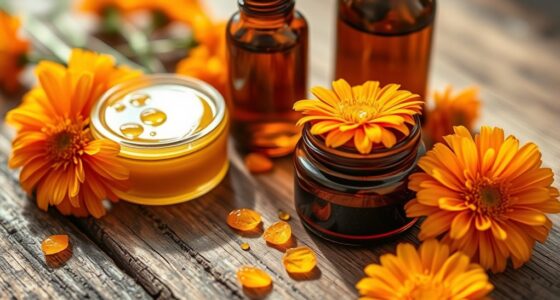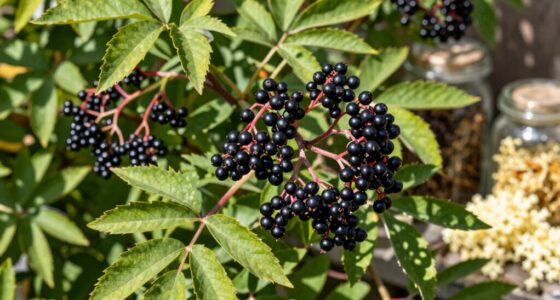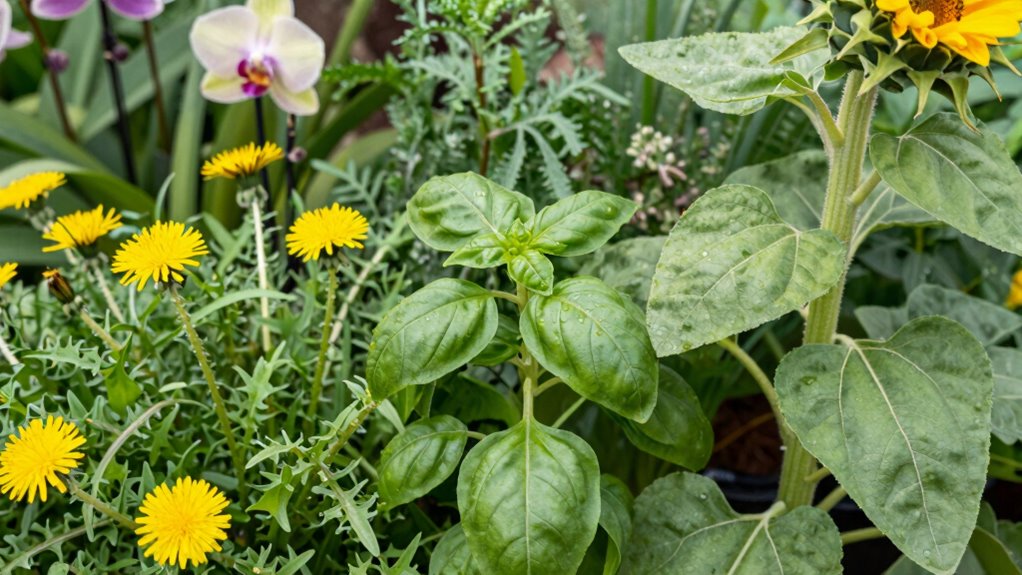

You rely on common plants like aloe vera, peppermint, and chamomile because they’re familiar, easily accessible, and part of your daily life. They’ve been used for generations, so you know they’re safe and effective when used properly. These plants are culturally meaningful and trusted, giving you confidence in their healing powers. Their practicality and deep roots in tradition make them a more reliable choice over rare remedies—so keep exploring to discover more about their true potential.
Key Takeaways
- Common plants are more accessible and easy to incorporate into daily routines.
- They have a proven track record of safety and effectiveness through long-term traditional use.
- Recognizable plants hold cultural significance, strengthening trust and familiarity.
- Their established knowledge reduces the risk of adverse effects and improper use.
- They connect health practices to cultural heritage, emphasizing simplicity and practicality.
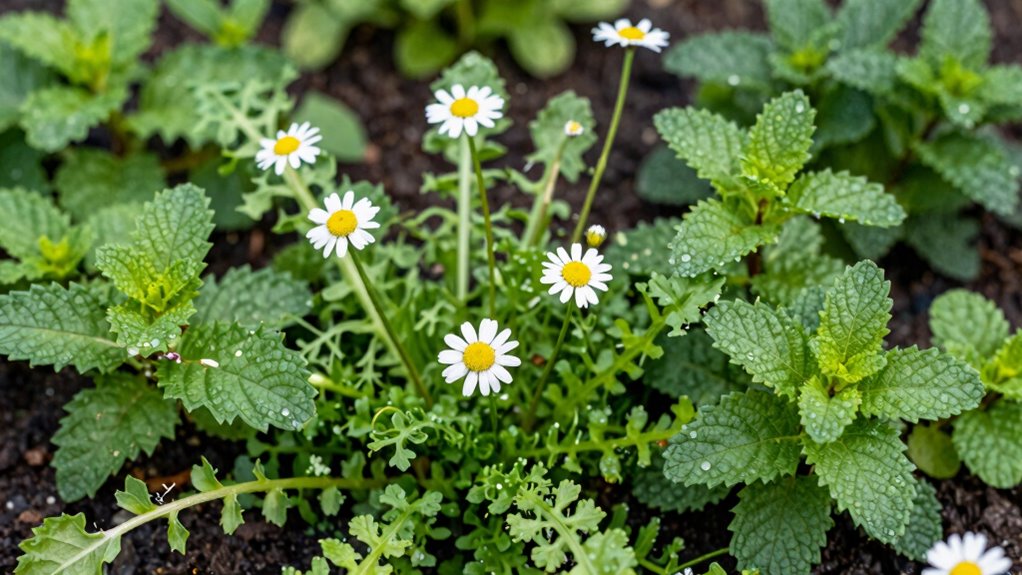
While exotic remedies often catch our attention, it’s the familiar plants around us that truly hold the most health benefits. These recognizable plants have been part of our daily lives for generations, offering reliable and accessible healing options. Unlike rarer remedies that may require specialized knowledge or sourcing, everyday plants like aloe vera, peppermint, or chamomile are easy to incorporate into your routine. They’ve stood the test of time, not just because of their effectiveness, but because of their cultural significance. These plants often carry stories, traditions, and practices passed down through communities, making them more than just natural remedies—they’re symbols of heritage and identity.
When you consider herbal safety, common plants tend to be more predictable. Their long-standing use means we have a better understanding of their effects, potential side effects, and appropriate dosages. Many of these plants are well-studied, providing a solid foundation for safe application. Conversely, exotic remedies might lack extensive research, increasing the risk of adverse reactions or interactions, especially if you’re unfamiliar with their properties. Knowing and respecting the safety of herbs rooted in your culture helps you make informed decisions, ensuring you benefit from natural healing without unintended harm.
Cultural significance plays a big role in why these plants matter more to many people. They’re woven into the fabric of daily life, rituals, and traditional medicine. For example, in some cultures, chamomile isn’t just a calming tea—it symbolizes hospitality and comfort. Peppermint might be used in festive celebrations or as a remedy handed down through family generations. This cultural connection enhances your confidence in using these plants, as they’re trusted not solely for their medicinal qualities but also for their meaning. This sense of familiarity and reverence can foster a deeper connection to your health practices, making herbal remedies more effective because they’re rooted in your cultural identity.
Ultimately, common plants offer a practical, safe, and culturally meaningful approach to health. They’re accessible, well-understood, and integrally tied to your traditions. While exotic remedies may seem intriguing or novel, it’s often the humble, recognizable plants that provide the most consistent benefits, linking you to your heritage and your well-being in a profound way. Recognizing their importance reminds us that nature’s most potent remedies are often right outside our door, waiting to be rediscovered and respected.

Aloderma Aloe Vera Gel Made within 12 Hours of Harvest with 96% Pure Organic Aloe Vera for Skin, Scalp, & Hair, Soothing Aloe Face Moisturizer, Multipurpose, Hydrating Aloe Gel, 7.05oz
- Freshly Processed Within 12 Hours: Ensures maximum aloe potency and freshness
- Family-Run Organic Farm: Supports sustainable, eco-friendly production
- Certified Organic Aloe Vera: USDA and EU ECOCERT approved
As an affiliate, we earn on qualifying purchases.
As an affiliate, we earn on qualifying purchases.
Frequently Asked Questions
How Do Common Plants Compare in Medicinal Potency to Exotic Remedies?
Common plants often have comparable, if not greater, medicinal potency than exotic remedies because their plant efficacy is well-documented through traditional remedies passed down generations. You’ll find that local plants are more accessible, trusted, and tested in everyday use, making them reliable choices. Exotic remedies might seem appealing, but their efficacy isn’t always proven or consistent. Focusing on familiar plants guarantees you benefit from proven, accessible medicinal options.
Are Common Plants More Sustainable Than Exotic Medicinal Options?
Yes, common plants are generally more sustainable than exotic remedies because they thrive within native ecosystems, reducing the need for extensive cultivation or transportation. By supporting native plants, you help preserve local biodiversity and pollinator populations, which are essential for ecosystem health. Using native plants for medicinal purposes promotes environmental balance and minimizes ecological disruption, making them a smarter, more sustainable choice over exotic options.
Can Common Plants Be Used Safely Without Expert Guidance?
Think of using common plants without expert guidance like handling a delicate piano; it’s beautiful but requires skill. You can often use them safely if you respect traditional knowledge and practice proper DIY safety. For example, many herbs like chamomile are safe when used correctly. However, misidentifying plants or overusing them can cause harm, so always research thoroughly and consult trusted sources before experimenting with medicinal plants.
What Are the Most Overlooked Benefits of Everyday Plants?
You might overlook how everyday plants offer profound benefits beyond their appearance. They hold rich plant symbolism, connecting you to cultural stories and personal meanings. Additionally, their ecological importance supports local ecosystems, providing food and shelter for wildlife. Recognizing these benefits helps you appreciate their true value, encouraging conservation and mindful use. Embracing common plants enriches your understanding of nature’s interconnectedness, making you more attuned to their quiet, essential roles in your environment.
How Do Costs of Common Plants Versus Exotic Remedies Differ?
You’ll find that common plants usually cost less than exotic remedies, making them a practical choice. The cost comparison favors familiar plants because their availability factors mean they’re easier to grow or find locally, reducing expenses. Exotic remedies often come with higher prices due to import costs and limited availability. So, sticking with everyday plants not only saves money but also guarantees you have reliable, accessible options for your needs.
Conclusion
So, next time you reach for an exotic remedy, remember that the humble plant right outside your door often holds the real treasure. Like a loyal friend, familiar plants have been tested by time, offering reliable healing and comfort. Don’t overlook their quiet strength—sometimes, the simplest solution is the most powerful. Like a familiar song, they’re always there, ready to nurture and heal when you need it most.