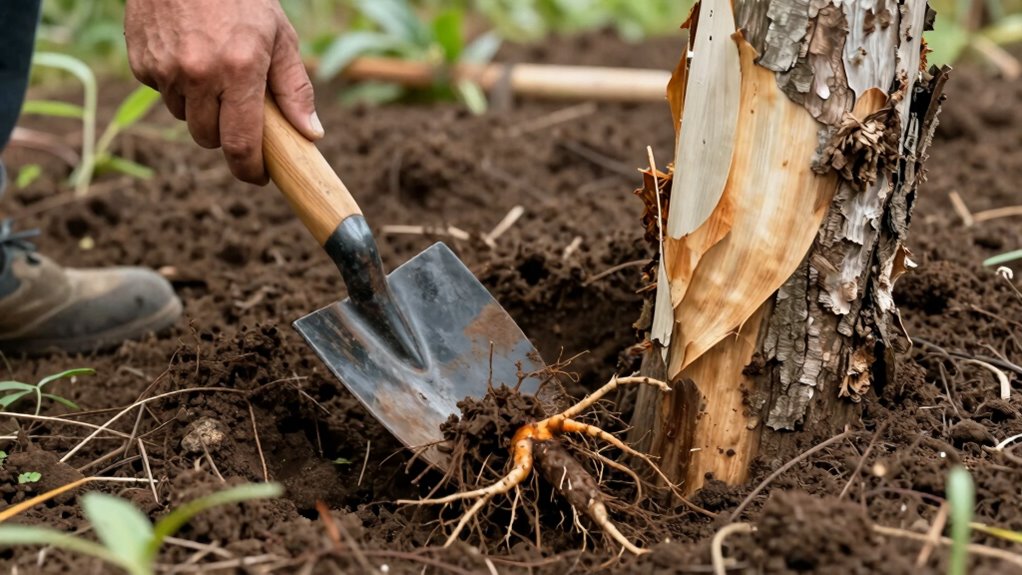

Responsible harvesting of roots and bark means you focus on sustainability by choosing healthy, mature plants and using gentle techniques that avoid damaging the overall ecosystem. You should harvest during the right seasons, like fall or winter, and make shallow cuts to protect nutrients. Rotate your collection sites and use clean tools to minimize environmental impact. By following these practices, you help guarantee plants stay healthy for future generations—and there’s plenty more to discover how to do this effectively.
Open a free Amazon Business account
Business pricing, bulk buying and tax-exempt orders.
As an affiliate, we earn on qualifying purchases.
Key Takeaways
- Harvest roots during fall or winter to support plant recovery and minimize stress.
- Strip bark carefully with shallow cuts to avoid damaging the tree’s nutrient transport.
- Select healthy, mature plants and avoid weak or diseased specimens to maintain ecosystem health.
- Limit collection to only what is necessary and rotate sites to allow ecosystems to recover.
- Use precise tools and follow local regulations to minimize environmental impact and promote sustainability.
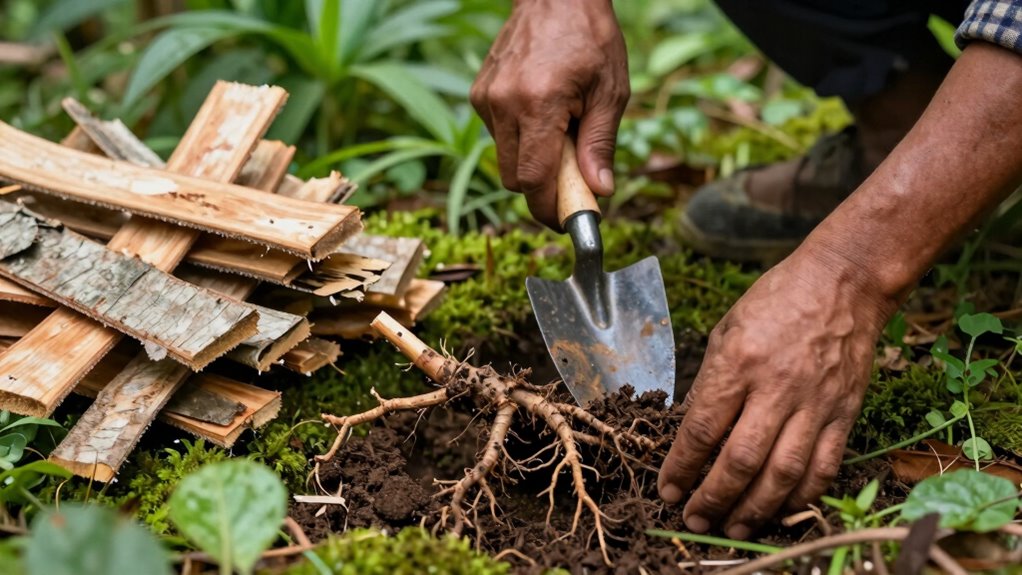
Have you ever wondered how to harvest roots and bark sustainably? It’s a critical question because responsible harvesting guarantees these essential resources remain available for future generations while protecting the ecosystems they come from. A sustainable harvest involves more than just collecting plant parts; it requires a thoughtful, ethical approach that minimizes environmental impact and respects the plant’s natural growth cycle. When you practice ethical collection, you prioritize the health of the plant and its surroundings, guaranteeing that your actions don’t lead to decline or harm. This means understanding the plant’s lifecycle, knowing how much can be safely taken, and avoiding overharvesting that could jeopardize the species’ survival.
To start, you need to identify the right time for harvesting. Many roots and bark are best gathered during specific seasons when the plant is less vulnerable and can recover more quickly. For example, harvesting roots in the fall or winter often allows the plant to store energy for regrowth, reducing long-term damage. When collecting bark, it’s essential to strip only a small section of the outer layer, taking care not to girdle the tree or cause it to die. Ethical collection practices involve making shallow cuts and leaving enough bark intact so the tree can continue to transport nutrients and grow healthily. Additionally, understanding the importance of sustainable harvesting practices can help ensure the longevity of plant populations. Incorporating knowledge of the plant’s growth cycle can further improve harvesting success and sustainability. Recognizing the role of ecosystem balance can also guide responsible collection efforts. It’s equally important to consider how human activity impacts the environment and to take steps to minimize that impact.
Another key aspect of responsible harvesting is selecting healthy, mature plants. Avoid taking from weak or diseased specimens, as this can weaken the overall population. Instead, focus on harvesting from abundant, vigorous plants that can withstand the extraction without suffering. It’s also wise to rotate your collection sites, giving each area time to recover before harvesting again. This practice helps maintain the ecological balance and prevents localized depletion. When possible, partnering with local communities or experts can provide valuable knowledge about sustainable practices and the plant’s role within the ecosystem. Additionally, you should always prioritize sustainable harvest techniques that emphasize minimal disturbance. Use sharp, clean tools to make precise cuts, reducing unnecessary damage. Keep in mind that the goal is to gather only what is needed, avoiding excess collection that could lead to waste or harm. Properly documenting your harvesting activities and respecting local regulations and traditions further supports ethical collection. By doing so, you contribute to a tradition of respect for nature’s resources and help guarantee that roots and bark remain available for future use. Ultimately, responsible harvesting is about balancing human needs with environmental stewardship, ensuring that the beautiful, essential plants continue to thrive for generations to come.
sustainable root harvesting tools
As an affiliate, we earn on qualifying purchases.
As an affiliate, we earn on qualifying purchases.
Frequently Asked Questions
How Do You Identify Sustainable Harvesting Practices?
You identify sustainable harvesting practices by looking for selective techniques that minimize damage and promote plant regeneration. Engage with local communities involved in harvesting, as their knowledge guarantees practices are eco-friendly and culturally respectful. Sustainable methods avoid overharvesting, protect ecosystems, and support long-term resource availability. By prioritizing community involvement and understanding harvesting methods, you ensure that roots and bark are harvested responsibly, maintaining environmental health and supporting local livelihoods.
What Signs Indicate Overharvesting in an Area?
When you see signs of overharvesting in an area, it indicates unsustainable wild harvesting and unethical collection practices. Look for sparse or damaged plants, especially with missing roots or bark, and a lack of new growth. Excessive soil disturbance, trampled vegetation, and a decline in plant diversity also signal overharvesting. These signs show that the area isn’t being managed responsibly, risking long-term sustainability.
Are There Specific Seasons Best for Harvesting Roots and Bark?
Think of harvesting roots and bark as catching a butterfly—timing is everything. You should aim for seasonal timing when plants are at their peak, usually late fall or early spring, during their harvesting windows. This guarantees the plant can recover and thrive. Avoid mid-summer or winter, when the plant’s energy is focused elsewhere. By respecting these seasons, you help preserve the plant’s health and ensure sustainable harvests.
How Does Harvesting Impact Local Ecosystems?
You might unknowingly impact local ecosystems when harvesting roots and bark, especially if done irresponsibly. Overharvesting can damage plants, disrupt habitats, and threaten species with cultural significance and traditional uses. When you harvest sustainably, you protect these essential resources, ensuring they continue to support communities and ecosystems. Responsible practices help preserve biodiversity, honor traditional uses, and maintain the ecological balance that benefits everyone in the long run.
Can Responsible Harvesting Be Done Without Harming Plant Populations?
You can absolutely harvest roots and bark without harming plant populations if you practice selective harvesting and use smart cultivation techniques. By carefully choosing mature plants and taking only what’s needed, you prevent overextraction. Implementing sustainable methods guarantees the plants thrive, and ecosystems stay balanced. With responsible practices, you turn harvesting into an art that preserves nature’s treasures while still benefiting from their medicinal and practical uses.
Conclusion
By harvesting roots and bark responsibly, you help guarantee these essential resources remain available for future generations. It’s about respecting nature’s balance and avoiding overharvesting that can harm ecosystems. Are you willing to take simple steps like sustainable sourcing and mindful gathering to protect these precious parts of our environment? Small actions make a big difference—so choose wisely and help preserve the natural world for tomorrow.
Fall Picks
fall essentials
As an affiliate, we earn on qualifying purchases.