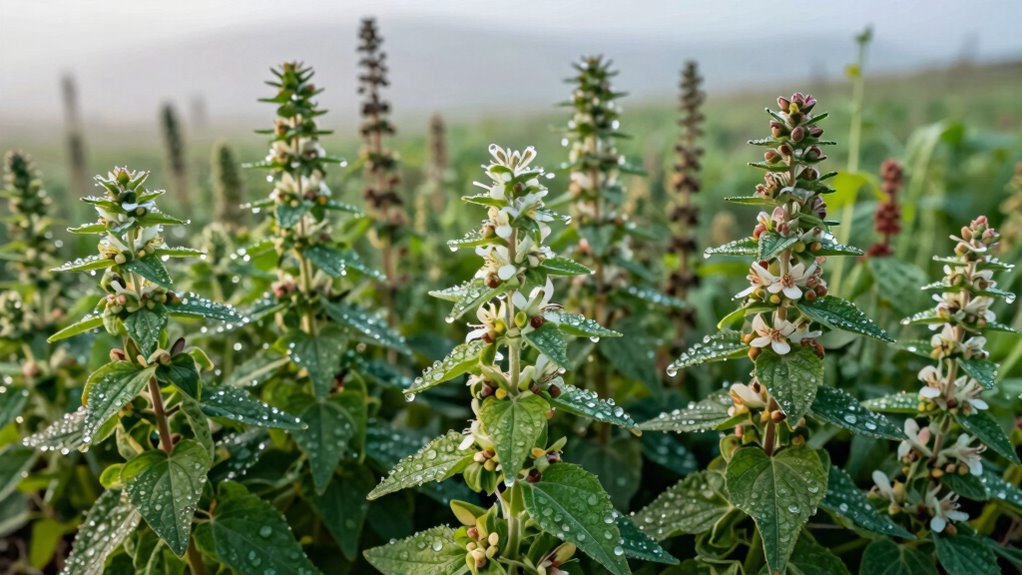

Seasonal timing affects the potency and quality of medicinal plants because harvesting at the right developmental stage guarantees their active compounds are at peak levels. If you harvest too early or late, you risk diminishing their therapeutic properties. Understanding the plant’s seasonal cycles helps you choose the best time to harvest, store, and dry them, preserving their effectiveness. Keep exploring to discover how these factors can optimize your herbal practices even further.

Get garden gear delivered free with Prime
- Fast, free delivery on millions of items
- Prime Video, Amazon Music and more included
- Member-only deals all year
Key Takeaways
- Harvesting during peak season ensures maximum concentration of active phytochemicals in medicinal plants.
- Seasonal cues influence plant development stages, affecting the potency of therapeutic compounds.
- Proper timing prevents harvesting at suboptimal stages, maintaining consistent medicinal quality.
- Seasonal environmental conditions impact plant moisture content, affecting drying and storage effectiveness.
- Collecting plants at the right season preserves their efficacy and prolongs shelf life.
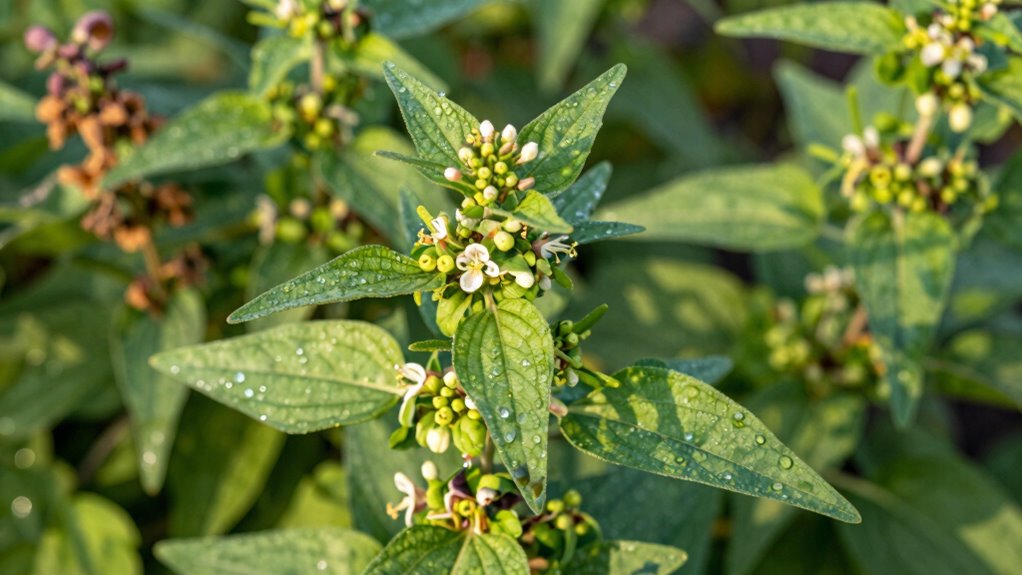
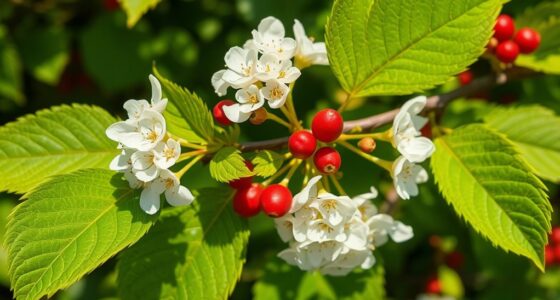
Have you ever wondered how the timing of harvest influences the quality of medicinal plants? The moment you decide to pick your herbs can greatly impact their potency, efficacy, and shelf life. Knowing the right season and timing guarantees you capture the plants at their peak, when their active compounds are most concentrated. For example, harvesting too early or too late can lead to diminished levels of essential phytochemicals, reducing their medicinal benefits. This is why understanding the seasonal cycles and plant development stages is essential.
Harvesting at the right time ensures maximum potency and medicinal benefits of your herbs.
Your choice of harvesting methods also plays a key role in maintaining plant quality. If you pick leaves, roots, or flowers at the wrong time, you risk damaging the plant or losing valuable constituents. For instance, some herbs should be harvested just before they flower, when their medicinal properties are at their highest. Others might require careful handling to avoid bruising or contamination. Proper harvesting techniques, combined with seasonal awareness, help preserve the plant’s natural compounds, guaranteeing maximum potency when used for remedies.
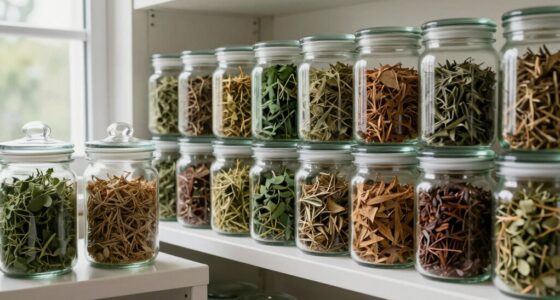
Once harvested, how you store these plants becomes equally important. Storage conditions such as temperature, humidity, and exposure to light can influence the stability of active compounds. If you store herbs in a damp or hot environment, mold and degradation can occur quickly, reducing their effectiveness. Conversely, keeping them in a cool, dark, and well-ventilated space helps retain their medicinal qualities over time. Proper storage doesn’t just prolong shelf life; it also protects the integrity of the plant’s active ingredients until they’re ready to be used. Additionally, understanding the plant’s moisture content** can help inform the best drying** and storage practices to preserve medicinal qualities.
Timing also affects the plant’s moisture content, which directly impacts how you should dry and store your herbs. Plants harvested during dry seasons or at specific growth stages tend to have lower moisture levels, making them easier to dry and less prone to mold. When drying, it’s best to do so in a well-ventilated area away from direct sunlight, preserving the plant’s bioactive compounds. If you follow these seasonal and storage guidelines, you’ll guarantee your medicinal plants maintain their quality and potency for long-term use. Incorporating proper drying techniques can further enhance the preservation of active compounds, ensuring the herbs retain their therapeutic qualities over time.
In essence, understanding when to harvest and how to store your medicinal plants is critical for maximizing their health benefits. The right timing, combined with appropriate methods and conditions, ensures that the plants retain their therapeutic properties, making your remedies more effective. Paying attention to seasonal cues and storage practices isn’t just about preservation; it’s about respecting the natural cycle of the plants and harnessing their full medicinal potential. Additionally, being mindful of seasonal variations can help optimize the medicinal value of your harvests.
medicinal herb harvest timing tools
As an affiliate, we earn on qualifying purchases.
As an affiliate, we earn on qualifying purchases.
Frequently Asked Questions
How Do Climate Changes Influence Seasonal Plant Quality?
Climate changes influence seasonal plant quality by disrupting growth cycles and challenging your ability to adapt. As temperatures and weather patterns shift, plants may develop differently, affecting their medicinal properties. You need to monitor climate adaptation closely because these changes can lead to variations in active compounds. Staying aware of shifting growth cycles helps you harvest at ideal times, ensuring the highest quality and potency in your medicinal plants.
Are Certain Medical Plants Unaffected by Seasonal Variations?
Sure, some “magical” plants seem immune to seasonal changes—like your unwavering herbal obsession. However, even these rare gems aren’t completely free from plant variability, which affects herbal consistency. While certain hardy species maintain steady medicinal qualities, most plants still dance to seasonal tunes. So, don’t count on a plant’s reputation for unaffectedness; nature’s unpredictability guarantees that plant variability influences herbal quality, no matter how resilient they seem.
Can Harvesting Time Improve the Potency of Medicinal Plants?
Yes, harvesting at the right time can improve the potency of medicinal plants. To achieve ideal harvesting, you should consider plant maturity, as some plants reach their peak medicinal quality at specific growth stages. When you harvest at the right time, the concentration of active compounds is maximized, ensuring you get the most benefit from your plants. Timing your harvest carefully makes a significant difference in medicinal effectiveness.
Do Storage Methods Impact Seasonal Differences in Plant Quality?
Storage methods greatly impact seasonal differences in plant quality. Did you know that improper storage can degrade medicinal properties by up to 50%? Using effective preservation techniques like airtight containers, cool temperatures, or drying helps maintain storage stability. Proper storage minimizes nutrient loss and preserves potency, ensuring your medicinal plants remain effective regardless of harvest season. So, choosing the right storage method is essential for optimizing plant quality year-round.
How Do Geographic Locations Alter Seasonal Effects on Plants?
You’ll find that geographic locations influence seasonal effects on plants through altitude variation and soil composition. Higher altitudes often lead to cooler temperatures and shorter growing seasons, affecting plant potency. Meanwhile, soil composition varies by location, impacting nutrient availability and plant stress levels. These factors cause plants in different areas to develop unique chemical profiles at different times, meaning seasonal timing‘s impact on medicinal quality varies depending on where you grow or harvest.
Conclusion
Think of medicinal plants as a symphony, where each season plays a unique note in their melody. When you harvest at the right time, it’s like catching the perfect chord—rich in healing power and harmony. Miss the cue, and the tune falters, losing its strength. So, pay attention to the seasons, and you’ll guarantee your plants sing their most potent song, offering nature’s true remedy in every leaf and root.
Fall yard work Picks
leaf blowers
As an affiliate, we earn on qualifying purchases.