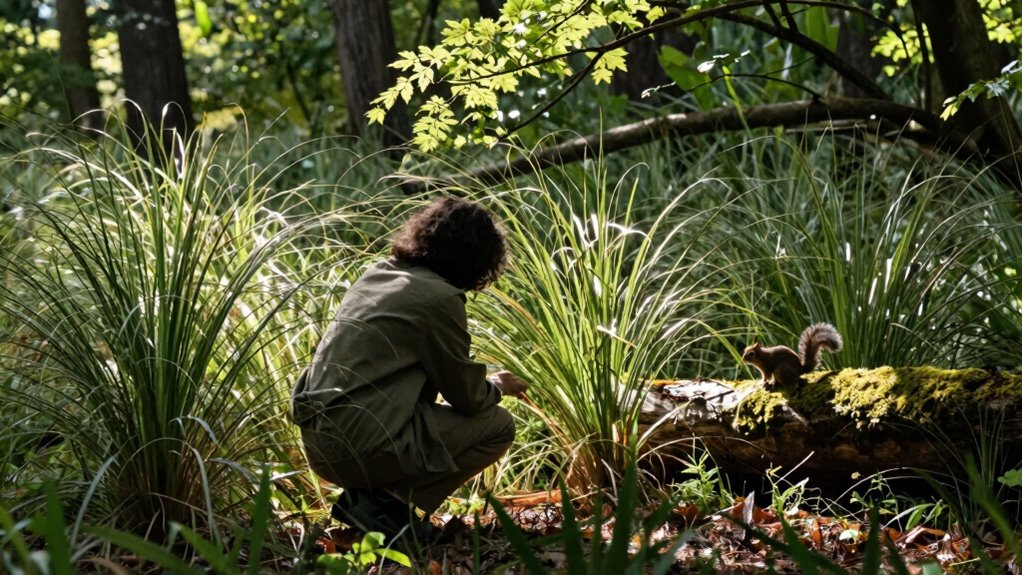

To move quietly outdoors, wear earth-toned clothing that blends with your surroundings and avoid shiny or bright materials. Practice slow, controlled movements, distributing your weight evenly to stay silent on uneven terrain. Use natural cover like bushes or rocks, and minimize noise by silencing gear and keeping footprints light. Pay attention to signs like tracks or broken twigs to learn animal habits. Keep patience and discipline, and you’ll discover more ways to connect with wildlife.

Get garden gear delivered free — and shop member deals
- Fast, free delivery on millions of items
- Access to Prime Big Deal Days deals on October 6–7
- Prime Video, Amazon Music and more included
Key Takeaways
- Practice controlled, soft breathing and light steps to minimize noise during movement.
- Wear earth-toned clothing and use natural cover to blend seamlessly with the environment.
- Follow animal signs like tracks and scat to locate and observe wildlife effectively.
- Avoid shiny or noisy gear, silence zippers, and distribute weight evenly on uneven terrain.
- Remain patient, still, and attentive to subtle sounds and signs for deeper outdoor observation.
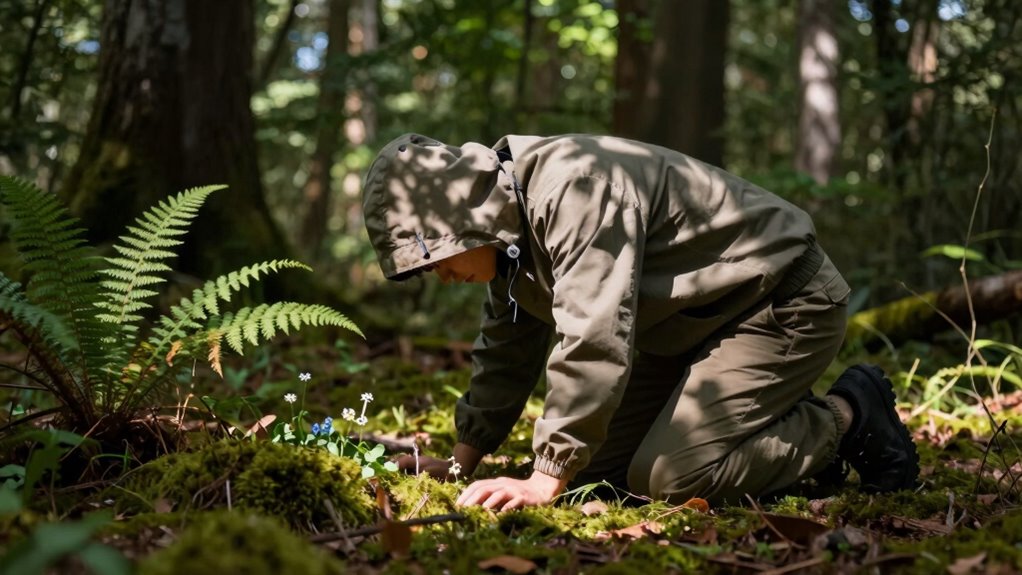
Moving quietly outdoors allows you to observe nature more closely and with less disturbance. When you’re mindful of your movements, you can see wildlife in their natural habitat without startling them away. The first step is mastering camouflage techniques. By blending into your surroundings, you reduce your visibility and minimize your impact on the environment. Wear earth-toned clothing that matches the landscape, and avoid bright colors or shiny materials that could catch the light. Move slowly and deliberately, keeping your profile low to avoid drawing attention. Use natural cover like bushes, trees, or rocks to shield yourself as you approach wildlife. The goal is to become less conspicuous so animals don’t perceive you as a threat, which allows for better observation and a more authentic experience. Paying attention to wildlife signs such as footprints and scat further enhances your understanding of animal behavior. Incorporating landscaping elements that mimic natural habitats can help you blend seamlessly into the environment and observe wildlife more naturally. Developing your observation skills over time will deepen your connection with nature and improve your ability to notice subtle behaviors. Wildlife tracking is an essential skill that enhances your ability to move quietly and understand animal behavior. Pay attention to footprints, fur, scat, and other signs of animal activity. When you spot tracks, follow them carefully, moving softly and slowly to avoid disturbing the animals. Tracking helps you learn about their routines, feeding habits, and resting areas, providing valuable insights without intrusive observation. Use your senses—listen for sounds like rustling leaves, bird calls, or distant movements, and watch for subtle signs like broken twigs or disturbed ground. By combining good observation skills with silent movement, you create a seamless connection with nature, allowing you to witness behaviors that happen out of sight or sound. Practicing controlled breathing and minimizing noise is crucial to maintaining silence. Keep your footsteps light, and avoid stomping or dragging your feet. When you need to move over uneven terrain, distribute your weight evenly and take small, deliberate steps. Carry your gear in a way that doesn’t make noise—silence your zipper pulls and avoid jingling accessories. Staying patient and still is often more effective than constant movement, as animals tend to ignore motionless observers. Developing quiet movement techniques can further improve your ability to remain unnoticed and enhance your outdoor experience. Consistent practice of these techniques will make your outdoor skills more instinctive and reliable. If you’re tracking wildlife or pursuing a quiet observation point, patience and discipline are your best allies. Over time, these habits become second nature, making every outdoor excursion richer and more rewarding.
earth tone camouflage clothing for wildlife observation
As an affiliate, we earn on qualifying purchases.
As an affiliate, we earn on qualifying purchases.
Frequently Asked Questions
What Gear Is Essential for Silent Movement Outdoors?
You need essential gear like noise reduction gear, including soft-soled shoes and quiet clothing, to move silently outdoors. Camouflage techniques, such as using natural colors and avoiding shiny materials, help you blend in. Carrying a small, quiet backpack and using silent movement techniques also enhance stealth. With this gear, you can observe wildlife more closely without startling them, increasing your outdoor experience and observation skills effectively.
How Can I Improve My Hearing for Better Observation?
To improve your hearing for better observation, practice auditory training exercises like focusing on distant sounds and filtering out background noise. Incorporate soundproofing techniques, such as using natural barriers or positioning yourself to minimize noise interference. Regularly challenge yourself by identifying different sounds in your environment, which sharpens your listening skills. Over time, these methods help you notice subtle sounds, enhancing your ability to observe wildlife quietly and effectively outdoors.
What Are the Best Times of Day for Outdoor Observation?
Dawn and dusk are your best times for outdoor observation, as wildlife is most active during these periods. Notably, animals tend to be less alert during these times, making it easier to observe them. To stay hidden, use camouflage techniques and noise reduction strategies, ensuring you blend into your surroundings and move silently. These strategies enhance your chances of observing nature without disturbing it, especially during wildlife’s most active hours.
How Do Weather Conditions Affect Silent Movement?
Weather conditions greatly impact your silent movement. Wind awareness is essential because strong winds can mask your sounds and movement, making it easier to stay undetected. Rain can dampen footsteps and cover noise, but it may also create splashes that reveal your position. Overcast or foggy days help with camouflage techniques, reducing visibility. Adjust your approach based on weather, using wind awareness to stay stealthy and move quietly through your environment.
Are There Specific Clothing Tips for Staying Unnoticed?
To stay unnoticed, you should wear camouflage clothing that blends with your surroundings, making you less visible. Pair this with noise-reducing shoes, which help eliminate footsteps that might give you away. Remember, even a subtle flick of a leaf or crunch of gravel can alert wildlife or others nearby. Keep your movements slow and deliberate, like a well-placed 19th-century spy, to maximize your stealth outdoors.
Conclusion
By mastering these quiet movement techniques, you’ll notice nature’s secrets unfold before your eyes, like a secret garden revealed at dawn. Remember, patience and gentle footsteps are your best allies—think of yourself as a modern-day Robin Hood, blending into the woods unnoticed. As you continue exploring, you’ll find that observing quietly provides a window to the wild’s hidden stories, making every outdoor adventure feel like discovering a hidden treasure chest, just waiting to be unsealed.
Evergreen bestsellers Picks
bestsellers
As an affiliate, we earn on qualifying purchases.