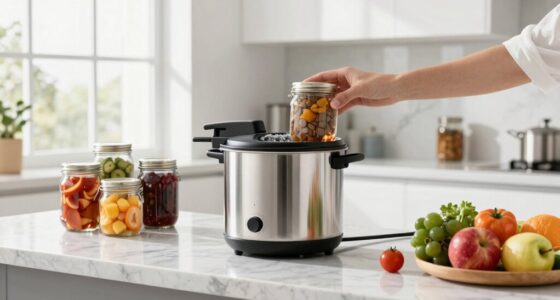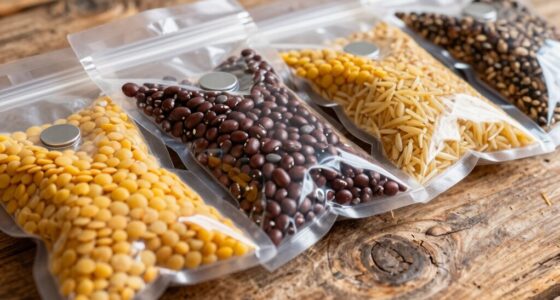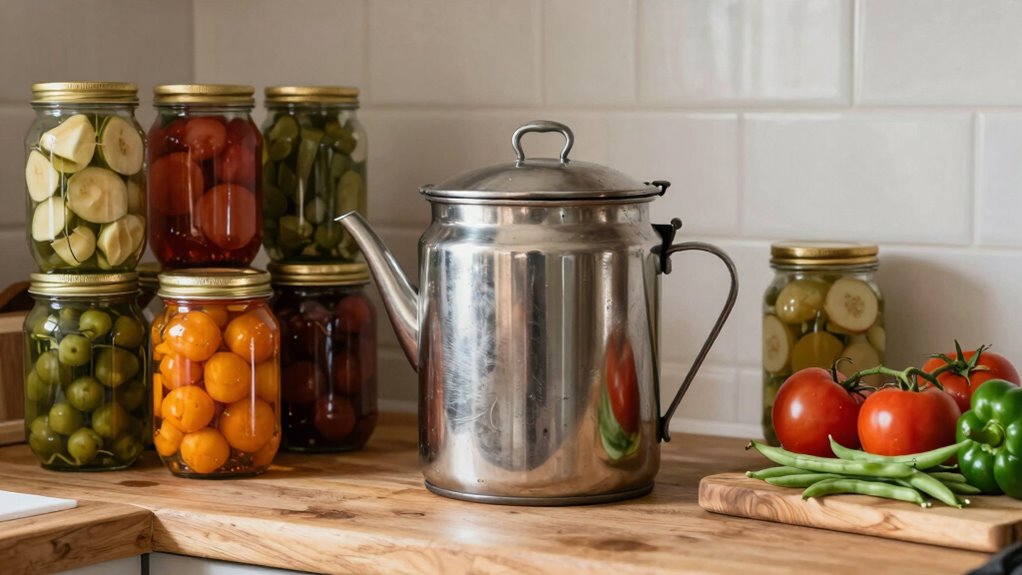

Pressure canning still matters for your self-reliant kitchen because it safely preserves a wide variety of foods, ensuring you have nutritious meals year-round. By following proper safety steps, you prevent bacteria growth and spoilage, extending your food’s shelf life. It also helps you save money, reduce waste, and become more independent from store-bought products. To master these skills and discover more about building a resilient pantry, explore further.
Play games included with Prime
Start a Prime free trial and play with Amazon Luna on your devices.
As an affiliate, we earn on qualifying purchases.
Key Takeaways
- Ensures the safe, long-term preservation of a variety of foods by destroying harmful bacteria and spores.
- Maintains food quality, flavor, and nutrients better than alternative preservation methods.
- Reduces dependence on store-bought products, fostering self-sufficiency and food independence.
- Minimizes waste by extending the shelf life of seasonal or surplus produce.
- Develops essential skills for controlling food safety, quality, and sustainable storage practices.
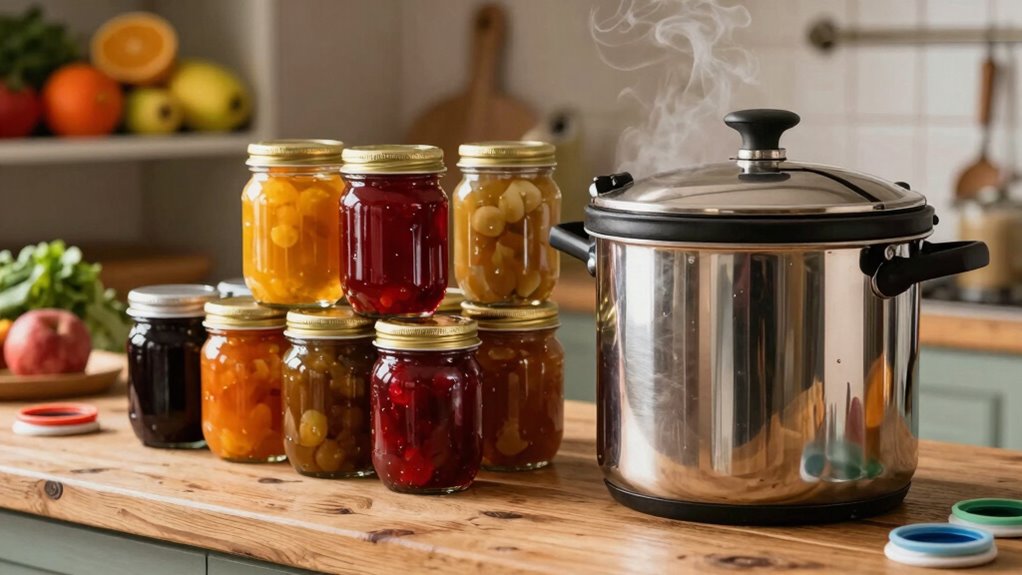
Ever wondered how to preserve your garden’s bounty safely and effectively? That’s where pressure canning becomes an essential skill in your self-reliant kitchen. While many methods of food preservation exist, pressure canning stands out because it guarantees your fruits, vegetables, and meats are stored safely for long periods. Unlike other preservation techniques, pressure canning reaches the high temperatures needed to destroy harmful bacteria, especially Clostridium botulinum spores, making it one of the safest options for home food preservation. When you master pressure canning, you’re taking control of your food supply, reducing reliance on store-bought products, and ensuring your family’s health and safety.
Pressure canning ensures safe, long-term preservation of your garden’s bounty by destroying harmful bacteria and spores.
Kitchen safety is a top priority when you’re dealing with food preservation, and pressure canning emphasizes this. It’s not just about sealing jars; it’s about following precise procedures to prevent foodborne illnesses. Properly sterilizing jars, using correct pressure levels, and maintaining safe processing times are critical steps that protect your efforts. Understanding the importance of temperature control is essential because inadequate heat can leave bacteria alive, risking spoilage or illness. If you skip or rush these steps, you risk bacterial growth or jar breakage, which can lead to contamination or injury. Additionally, following established guidelines helps ensure your safety and the quality of your preserved foods. By understanding and adhering to established guidelines, you create a safe environment for food preservation, giving you peace of mind that your stored foods are safe to eat months or even years later. This process is supported by safety standards, which are regularly updated based on new research and technological advancements.
Many home preservers turn to pressure canning because it offers versatility. You can preserve a wide variety of foods, from green beans and peaches to beef stews and homemade broths. This flexibility makes it invaluable for self-reliant kitchens, where growing and storing your own food is a priority. Plus, pressure canning allows you to retain the flavors, nutrients, and textures of fresh foods better than some other methods. When you put in the effort to learn the correct techniques, you’re rewarded with homemade, nutritious meals that you’ve preserved at their peak freshness. Knowledge of safe canning practices is vital, especially as many new techniques and guidelines continue to evolve based on research and safety standards.
In addition, pressure canning aligns with sustainable practices. It reduces waste by extending the shelf life of seasonal produce, prevents reliance on processed foods, and minimizes packaging waste. It’s a skill that empowers you to make the most of what you grow or buy in bulk, turning surplus into pantry staples. As you become more proficient, you’ll appreciate the independence that comes with having a well-stocked, safe, and nutritious home-preserved food supply. Pressure canning isn’t just a method; it’s a cornerstone of a self-reliant, resilient kitchen.
As an affiliate, we earn on qualifying purchases.
Frequently Asked Questions
How Long Can Canned Foods Be Safely Stored?
Canned foods can be safely stored for up to one year for ideal food preservation and storage longevity. After that, quality may decline, but they often remain safe to eat if stored in a cool, dark place. You should always check for signs of spoilage like bulging lids, leaks, or strange odors before consuming. Proper pressure canning helps extend shelf life, ensuring your self-reliant kitchen stays stocked safely.
What Are the Most Common Mistakes in Pressure Canning?
Think of pressure canning like sailing a ship—you need to steer carefully. Common mistakes include neglecting canning safety protocols and skipping equipment maintenance, which can lead to dangerous spoilage or jar failure. Always check your pressure gauge, follow recipe guidelines precisely, and confirm your equipment is in top shape. These steps help prevent mishaps, keeping your canned goods safe and reliable for your self-reliant kitchen.
Is Pressure Canning Suitable for All Types of Foods?
Pressure canning isn’t suitable for all foods because of food acidity and canning safety concerns. Low-acid foods like vegetables, meats, and poultry require pressure canning to destroy harmful bacteria, while high-acid foods like fruits can often be processed safely through water bath canning. Always follow tested recipes and guidelines to guarantee proper food safety, because improper pressure canning can lead to dangerous botulism growth.
How Do I Maintain My Pressure Canner Properly?
Did you know that improper equipment maintenance causes up to 80% of canning safety issues? To keep your pressure canner in top shape, regularly inspect the gasket, valves, and lid for damage. Clean all parts thoroughly after each use, and store with the lid slightly ajar to prevent mold. Proper equipment maintenance guarantees safe, reliable pressure canning, preserving your food safely for future enjoyment.
Can Pressure Canning Be Done Without Specialized Equipment?
Pressure canning requires specialized equipment to guarantee safety and proper preservation. While alternative methods like boiling water bath canning work for high-acid foods, they aren’t safe for low-acid items. You shouldn’t attempt pressure canning without the proper equipment, as it’s essential for maintaining equipment safety and preventing spoilage. Investing in a quality pressure canner guarantees your jars are sealed correctly, keeping your food safe and your efforts worthwhile.
Conclusion
Pressure canning remains essential for your self-reliant kitchen. Imagine preserving a bumper crop of tomatoes, ensuring you have homemade sauces all year round. For example, Sarah started pressure canning last summer and now she’s confidently feeding her family wholesome meals during winter. It’s a simple skill that guarantees you control over your food’s safety and quality. Keep learning and practicing—pressure canning isn’t just a method, it’s a key to lasting independence.
Fall yard work Picks
leaf blowers
As an affiliate, we earn on qualifying purchases.