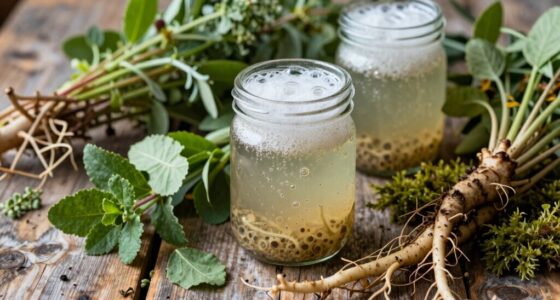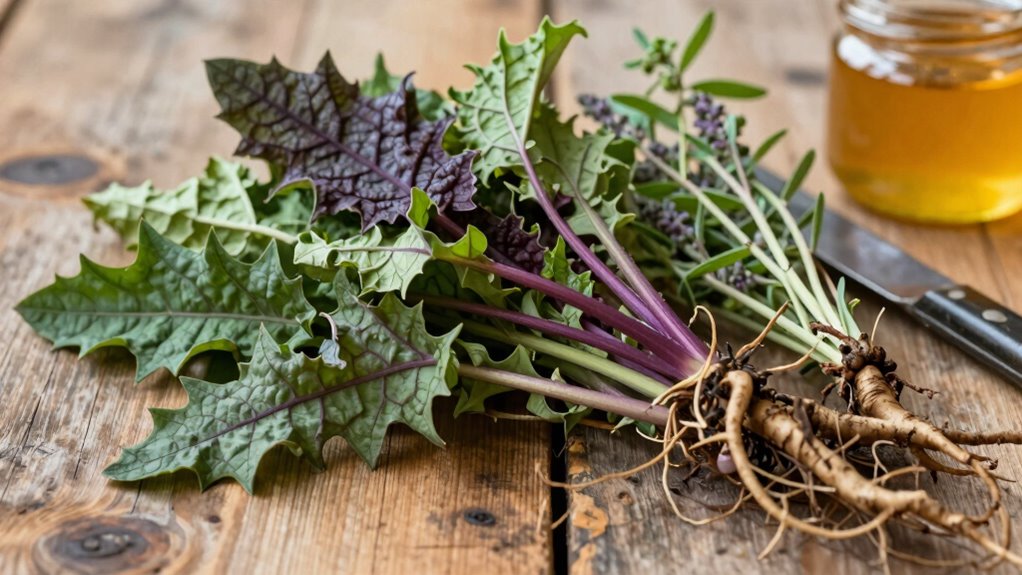
To balance bitter wild plants, start by tasting and adjusting as you cook, choosing ingredients that contrast or soften bitterness. Incorporate sweetness with honey or dried fruits, acidity with citrus or vinegar, and aromatic herbs to add complexity. Use creamy cheeses or salty elements to mellow sharp flavors. Focus on creating harmony, not just eliminating bitterness, and experiment with different combinations. Keep practicing, and you’ll discover how to turn wild greens into delicious, well-balanced dishes. If you want to master the process, you’ll find helpful insights ahead.

Get garden gear delivered free — and shop member deals
- Fast, free delivery on millions of items
- Access to Prime Big Deal Days deals on October 6–7
- Prime Video, Amazon Music and more included
Key Takeaways
- Use contrasting ingredients like sweet, sour, or salty elements to mellow or complement bitterness.
- Incorporate herbs, spices, or acidic components to brighten and balance the flavor profile.
- Start with small amounts of bitter greens and taste gradually to achieve harmony.
- Pair wild plants with creamy or cheesy textures to soften bitterness.
- Focus on overall flavor harmony rather than eliminating bitterness entirely.
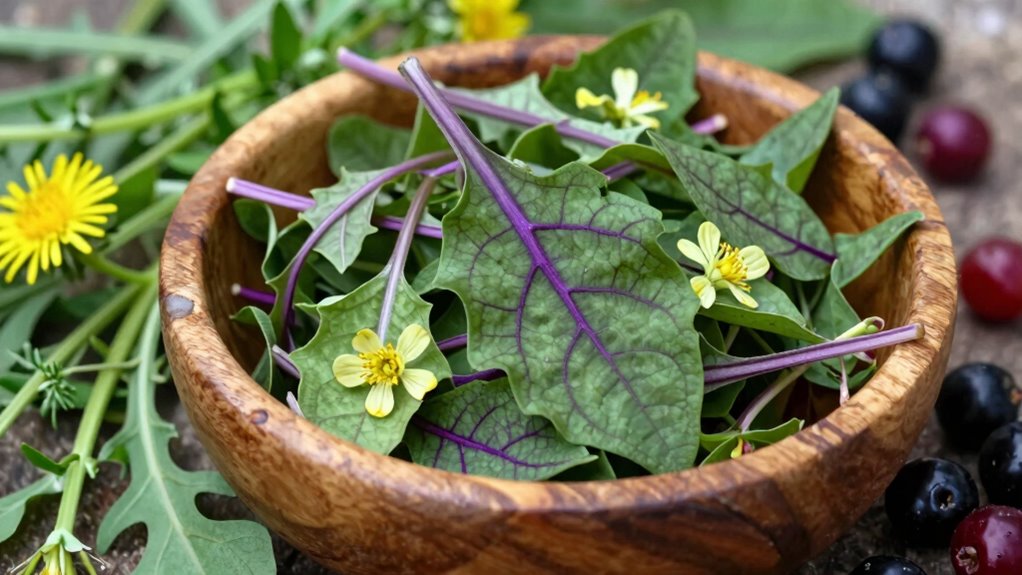
Achieving the perfect flavor balance is an essential skill in cooking that transforms a good dish into a memorable one. When working with bitter wild plants, understanding how to balance their intense flavors can elevate your culinary creations. To do this effectively, you need to master foraging techniques that help you identify safe, edible wild plants, and learn the art of flavor pairing to harmonize their bitterness with other ingredients. Foraging techniques involve more than just picking wild plants; they require careful observation, knowledge of plant habitats, and a keen eye for distinguishing edible varieties from toxic ones. You want to guarantee you’re collecting plants at the right stage of growth, as bitterness can vary depending on maturity. Additionally, the botanical characteristics of plants can influence their flavor profile, making proper identification crucial for both safety and taste. Proper harvesting methods ensure that you preserve the plant’s flavor and avoid damaging the environment, which is essential for sustainable foraging practices. Once you’ve gathered your wild greens, the next step is to think about how their natural bitterness can be complemented or mellowed through thoughtful flavor pairing. Incorporating flavor harmony**** into your dishes can make a significant difference in how the wild plants are perceived, helping you create balanced and enjoyable flavors. Additionally, understanding the foraging techniques used to identify edible plants is crucial for both safety and flavor development.
Flavor pairing is vital when working with bitter wild plants. Since bitterness can be intense and off-putting if not balanced properly, pairing these greens with ingredients that contrast or complement their flavor helps make dishes more palatable. For example, adding a touch of sweetness — like honey, dried fruits, or caramelized onions — can temper bitterness and create a more rounded flavor profile. Acidic elements, such as citrus juice or vinegar, also work well to brighten and cut through the bitterness, providing an invigorating counterpoint. Herbs and spices with aromatic qualities, like mint, cilantro, or cumin, can add complexity and help mask some of the more pronounced bitter notes. When you experiment with flavor pairing, think about the overall harmony you’re aiming for: you want to highlight the wild plants’ unique qualities without letting bitterness dominate.
Incorporating bitter wild plants into your dishes requires a delicate touch and a good understanding of how flavors interact. Start with small quantities and taste as you go. If you notice the bitterness overwhelming the dish, introduce ingredients that provide contrast, such as salty cheeses or creamy textures, to soften the impact. Remember, the goal isn’t to eliminate bitterness entirely but to integrate it into a harmonious flavor profile. As you become more familiar with the nuances of wild foraging techniques and flavor pairing, you’ll develop an instinct for balancing bitterness with other ingredients, turning wild plants into delicious, well-rounded dishes. With patience and practice, you’ll discover that the complex flavors of bitter wild plants can be a highlight rather than a challenge when approached with the right balance.
Frequently Asked Questions
Can Wild Plants Be Safely Foraged Without Expert Guidance?
You should exercise caution when foraging wild plants without expert guidance, as foraging safety is vital. Many wild plants look similar, and misidentification can lead to poisoning. Always seek expert guidance or thoroughly research plants before collecting them. If you’re new to foraging, it’s safest to go with experienced foragers or consult reliable resources. This approach minimizes risks, guarantees safety, and helps you enjoy wild plants responsibly.
How Do Cooking Methods Affect the Bitterness of Wild Plants?
Cooking wild plants can transform their bitterness, making flavors more harmonious. Boiling or blanching reduces harshness, offering significant flavor enhancement and smoother textures. Sautéing with fats or acids like lemon juice further moderates bitterness, creating a well-rounded taste. Slow cooking can mellow strong flavors over time, while roasting adds depth and complexity. By choosing the right method, you can modify texture and balance bitterness, elevating wild plants from wild to gourmet.
Are There Specific Herbs That Complement Bitter Wild Plants?
You can enhance the flavor of bitter wild plants by using specific herbs like lemon balm, mint, or parsley, which provide fresh, bright notes. These herbs work well in herb pairing, balancing the bitterness and adding depth. To achieve flavor enhancement, add these herbs during cooking or as a garnish. Their aromatic qualities complement the wild plants, making the overall dish more harmonious and enjoyable.
What Are Common Mistakes in Balancing Flavors With Wild Plants?
Did you know that 65% of flavor balance mistakes involve overlooking texture considerations? When balancing wild plants, you often make the mistake of overemphasizing flavor enhancement without considering how textures interact. Too much bitterness can overpower a dish if not balanced with creamy or crunchy elements. Always taste as you go, and think about how textures complement or contrast the flavors, ensuring harmony rather than chaos in your dish.
How Does Seasonal Variation Influence Wild Plant Flavor Profiles?
Seasonal shifts cause flavor fluctuations in wild plants, making their profiles more intense or milder at different times of the year. As seasons change, you’ll notice variations in bitterness, sweetness, and aroma, influencing how you use these plants in your dishes. By understanding these patterns, you can adapt your cooking, balancing flavors more effectively and harnessing each plant’s peak season to enhance taste and nutritional value.
Conclusion
As you walk through the wild landscape, remember that balancing bitter flavors is like tending a garden—each plant has its role, and together they create harmony. Embrace the contrast, allowing the bitterness to sharpen your senses, much like a breeze that stirs the leaves and awakens the senses. With patience and curiosity, you’ll learn to blend these wild flavors into a symphony that’s both bold and beautiful, reflecting the wild complexity within you.
Fall yard work Picks
leaf blowers
As an affiliate, we earn on qualifying purchases.