TL;DR

Get garden gear delivered free with Prime
- Fast, free delivery on millions of items
- Prime Video, Amazon Music and more included
- Member-only deals all year
Planet Natural recommends a practical check for fall leaves: after mowing, leave the shredded layer on the lawn if about half the grass remains visible, and remove excess if it forms a dense cover. The guidance is a rule of thumb, not a universal threshold; wet leaves, shady areas and lawns prone to prolonged dampness may need more attention.
Planet Natural recommends a 50% lawn-visibility test to help homeowners decide whether to mulch fall leaves or remove some of them: after mowing, leave the shredded leaves if about half the grass is still visible, but clear excess when leaves hide most of the turf. The guidance is a practical rule of thumb, not a fixed scientific threshold, and centers on preventing a wet, dense leaf layer from blocking light and matting over grass.
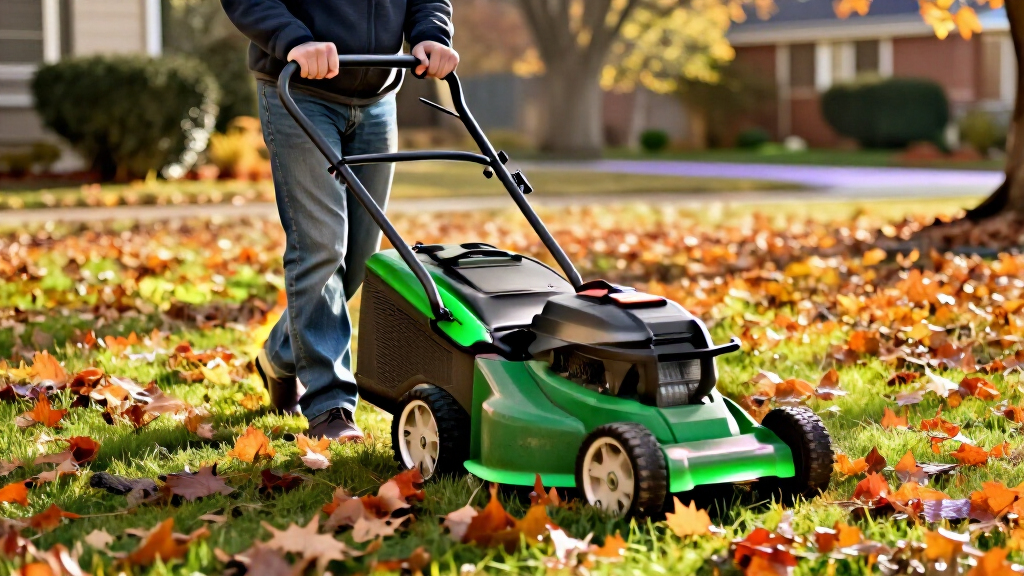
The report advises mowing on a dry day, when leaves chop and spread more evenly than wet ones. Homeowners should use the lawn’s usual seasonally appropriate mowing height, rather than lowering the blade to cut the leaves, and begin with one pass over a light layer. The aim is leaf pieces small enough to settle between grass blades, not finely pulverized material.
After the pass, check several parts of the lawn from above. If roughly half the grass remains visible through the fragments, the report says the layer can generally stay, with another check after rain or heavy dew. If the lawn looks mostly brown or the pieces form a continuous cover, remove more. Windrows, mats or broad uncut sheets are signs that the leaf layer is too deep for the mower to handle in one pass.
Leaves that are removed can be put to use in other parts of the garden. Planet Natural suggests saving clean, dry leaves as carbon for compost, piling damp leaves to make leaf mold, or spreading a loose layer in garden beds. It describes leaf mold as a soil conditioner, not a balanced fertilizer. For bed use, the report says to keep leaves away from shrub and perennial crowns and tree trunks, and avoid a dense layer that sheds water.
Keeping Leaves Without Smothering Turf
The advice offers homeowners a way to avoid treating every fallen leaf as waste while still paying attention to grass coverage and moisture. A thin, open layer of shredded leaves can remain on the lawn; a thick layer that blocks light and holds moisture can leave turf covered and matted. The visibility check turns that distinction into a quick visual assessment instead of a blanket instruction to mulch everything or bag it all.
The recommendation also makes leaf cleanup a sorting decision. Removing excess from the lawn does not mean throwing it away: clean material can become compost, leaf mold or bed mulch. That gives surplus leaves another use while keeping thick accumulations off areas where they could smother grass. The approach still calls for follow-up, because wind and rain can move leaves or turn a light layer into a wet mat.
As an affiliate, we earn on qualifying purchases.
How the Lawn Test Works
The report’s central concern is the condition of the leaf layer, not simply the number of leaves on the ground. Dry, shredded pieces tend to spread between grass blades. Whole, soggy leaves can pack together, trap moisture and reduce the light reaching the turf. The test asks whether the grass is still visible after mowing, making it an on-the-spot guide to whether more leaves should be removed.
Conditions can vary within one yard. Leaves collect first in low spots, shady edges and beneath large trees, so the report advises checking several areas instead of judging the lawn from one point. It also calls for a more cautious approach where the grass stays damp or has a history of snow mold. A layer that looks manageable when dry can become a dense cover after rain, dew or a storm.
For a light layer, a second mowing pass may help, especially when leaves are crisp and dry. But if the mower leaves clumps or mats, the report recommends raking or blowing some leaves away before mulching what remains. It also advises clearing piles that collect along fences, in corners or over young grass before winter.
Where the Rule of Thumb Falls Short
The supplied report does not cite a study establishing 50% visibility as a universal cutoff, nor does it give a precise measure of leaf depth, grass type or lawn condition. It explicitly frames the test as a practical aid. How much leaf cover a particular lawn can tolerate may vary with drainage, shade, turf density and weather.
The report also does not specify a single disposal method for every diseased leaf. It says heavily affected material should be handled carefully and notes that whether a home compost pile gets hot enough to reduce disease risk depends on its management and the pathogen. Municipal green-waste collection may be a safer option where available. The source offers general gardening guidance, not a diagnosis of a particular lawn or plant disease.
Recheck After Rain and Wind
Homeowners following the report’s approach should inspect the lawn after mowing, then check again after rain, heavy dew or strong wind. Remove or spread leaves that have settled into a mat, especially in damp, shaded areas and where piles collect. When conditions are wet, the report advises against continuing to mow a blanket of leaves; let it dry or remove it first.
Sort surplus leaves rather than sending all of them to one destination. Keep clean, dry leaves for compost, use damp leaves for a leaf-mold pile, or place a loose layer in suitable beds. Keep diseased leaves and material mixed with pet waste, plastic, invasive seed heads or other unwanted debris separate. The next step is therefore a lawn-by-lawn check, not a fixed calendar deadline: the report provides no specific date for the final cleanup.
Key Questions
What does the 50% lawn-visibility test mean?
After mowing, look down at several areas of the lawn. If about half the grass is still visible through the shredded leaves, the report says the layer can generally stay. If leaves hide most of the turf or form a continuous mat, remove more.
Should I mulch wet leaves?
The report advises against mowing a wet blanket of leaves. Wet leaves can clump under the mower and settle into a dense mat. Remove or spread them out to dry before mulching.
What should I do with leaves I remove from the lawn?
Clean leaves can be saved as compost carbon, piled to make leaf mold, or used as a loose mulch in garden beds. Keep leaves away from plant crowns and tree trunks, and do not let them form a dense, water-shedding layer.
Does the test apply equally to every lawn?
No. Planet Natural calls the 50% figure a rule of thumb, not a magic number. Check low, shady or damp areas separately, and use a more cautious approach on lawns that stay wet or have a history of snow mold.
What should I do with leaves showing disease symptoms?
The report recommends collecting leaves that are heavily affected by disease rather than using them as lawn mulch or placing them directly around susceptible plants. Whether home composting reduces disease risk depends on the pathogen and pile management; municipal green-waste collection may be safer where available.
Source: rss
Halloween Picks
halloween
As an affiliate, we earn on qualifying purchases.