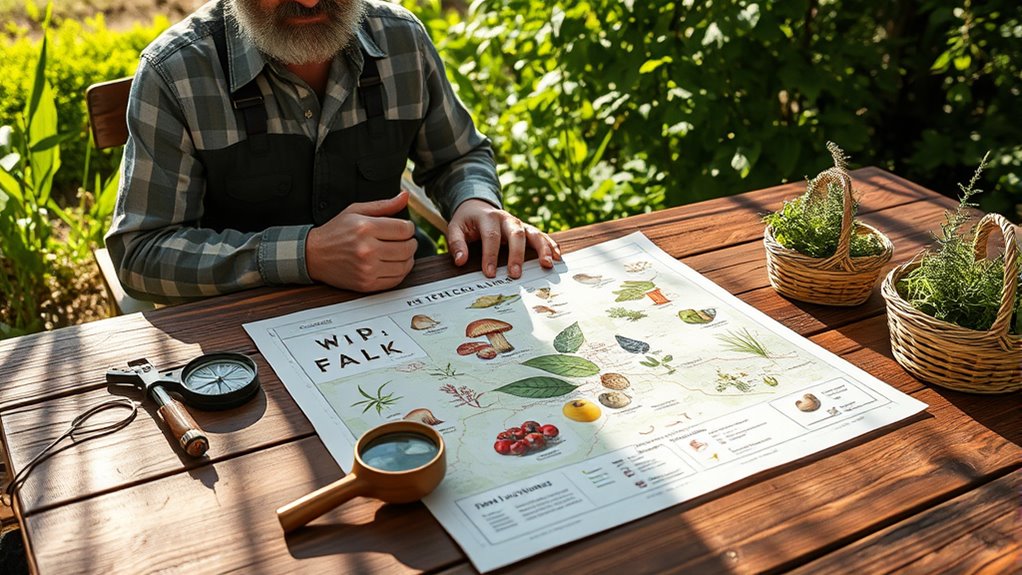
To plan your year and build a seasonal foraging map, start by identifying zones where wild edibles thrive and observe landscape features that influence growth. Track seasonal signs like leaf color, flowering, and fruit ripeness, as well as environmental cues like insects, birds, and weather patterns. Combine these indicators with your zone knowledge to time your foraging trips for peak abundance and sustainability. If you keep exploring, you’ll uncover strategies to connect more deeply with nature’s cycles.
Key Takeaways
- Identify local harvesting zones by observing plant and fungi growth patterns and landscape features.
- Track seasonal indicators like leaf color, flowering, and ripening stages to time foraging activities.
- Combine zone knowledge with seasonal signs to plan peak harvest periods and sustainable collection.
- Create a comprehensive seasonal map to guide year-round foraging and deepen land connection.
- Use natural cues to align foraging with ecological cycles, promoting self-sufficiency and resource vitality.

Have you ever wondered how to make the most of your upcoming year? The secret lies in understanding your environment and aligning your foraging activities with nature’s rhythm. Building a seasonal foraging map begins with identifying your harvesting zones—specific areas where wild edibles thrive—and understanding their seasonal indicators. These zones aren’t just places on a map; they represent opportunities for liberation from conventional store-bought foods, connecting you deeply with the land and its cycles.
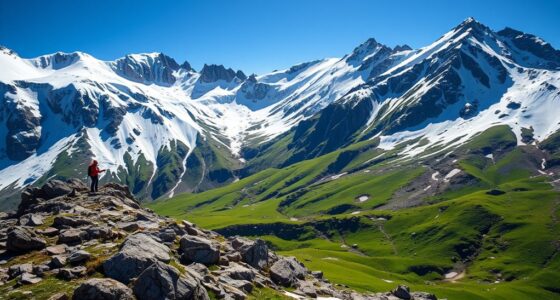
Your first step is to observe and mark your harvesting zones based on the plants and fungi that grow naturally in your region. Pay attention to the landscape, noting where certain species flourish and how they change through the year. These zones act as your guideposts, helping you plan your foraging trips with purpose and confidence. Recognizing these zones allows you to tap into the abundance that each area offers at the right time, making your foraging more efficient and sustainable.
Next, learn to read seasonal indicators—nature’s signs that signal when specific plants are ripe for harvest. These indicators include changes in leaf color, flowering times, fruit ripening, or even the appearance of certain insects or bird activity. For example, a burst of blossoms might hint that berries are just around the corner, or the first frost could mark the end of a root’s prime harvest window. By tuning into these signals, you gain a sense of harmony with nature’s timing, empowering you to gather what you need when it’s at its peak, rather than rushing or missing out altogether.
Combining your knowledge of harvesting zones with seasonal indicators creates a powerful map for the year ahead. It’s about more than just collecting wild foods; it’s about reclaiming your independence and trusting your intuition. When you understand which zones are active and what signs to look for, you can plan your year around sustainable harvesting, avoiding overexploitation and ensuring these natural resources remain vibrant for years to come.
This approach also grants you freedom from the constraints of modern food systems. You don’t have to rely on schedules or store inventories—you work with nature’s calendar. As you become more attuned to your harvesting zones and seasonal indicators, you’ll find your foraging becoming more intuitive and fulfilling. Each season becomes an opportunity for renewal, self-sufficiency, and a deeper connection with the land. Your year transforms from a series of deadlines into a dance with nature’s cycles, allowing you to live more freely and authentically.
In addition, understanding the importance of projector technology in home cinema setup can enhance your experience by ensuring clarity and vibrant visuals that match your seasonal foraging themes.
Frequently Asked Questions
How Can I Identify New Foraging Spots Ethically?
To identify new foraging spots ethically, you need to follow foraging ethics and prioritize sustainable harvesting. Respect private property and seek permission when necessary, avoiding damage to ecosystems. Observe local regulations and connect with experienced foragers who can guide you. Trust your intuition and explore wild areas carefully, ensuring you leave no trace. This approach liberates your foraging experience while protecting nature’s abundance for future generations.
What Tools Are Best for Seasonal Foraging Mapping?
Ever wonder how to create a thriving foraging map that empowers you? You’ll want tools like detailed plant identification apps and GPS mapping techniques to chart your seasonal bounty accurately. These tools help you confidently identify plants and track their availability throughout the year. By embracing technology, you gain freedom and knowledge, transforming your foraging into a liberated, sustainable practice that connects you deeply with nature’s rhythms.
How Do Weather Changes Affect Seasonal Availability?
Weather changes, driven by climate variability, directly impact the seasonal availability of foraged foods. You’ll notice shifts in plant growth and animal migration patterns, making some resources scarce or abundant unexpectedly. By staying attuned to these fluctuations, you free yourself from rigid schedules, adapting your foraging to seasonal migration and weather cues. This awareness empowers you to harvest when abundance peaks, embracing nature’s unpredictable rhythm with confidence and independence.
Can Foraging Maps Be Adapted for Urban Areas?
Yes, you can adapt foraging maps for urban areas. Explore city foraging spots like parks, vacant lots, and green spaces to identify edible plants. By mapping these locations, you gain the freedom to forage confidently within your city limits. Urban foraging liberates you from reliance on rural areas, connecting you to nature’s bounty right where you live. Customize your map to maximize your foraging adventures and embrace your wild side.
How Often Should I Update My Foraging Map?
Think of your foraging map as a living document that grows with you. You should update it seasonally or whenever local conditions shift, ensuring your foraging ethics and sustainable harvesting stay in harmony with nature’s rhythm. By regularly revitalizing your map, you honor the land’s needs, empower responsible harvesting, and keep your foraging practice liberated from outdated info. Stay curious, adapt often, and let nature guide your journey.
Conclusion
Creating a seasonal foraging map keeps you connected to nature and guarantees you gather the best ingredients throughout the year. It might seem time-consuming at first, but once you get into the rhythm, it becomes second nature. Plus, you’ll enjoy the fresh, local flavors and the satisfaction of sustainable foraging. So, don’t worry if you’re new—start small, stay curious, and watch your knowledge grow. Your year-round foraging adventure awaits!