In cold climates, you can find water by observing melting snow and ice, looking for patches where thawing occurs or small streams forming. Check for natural seeps or damp areas where underground water escapes. Follow meltwater runoff paths, especially near rocks or exposed ground, and scrape ice or snow to access liquid water. Staying alert to temperature changes and environmental cues helps locate reliable sources, and if you continue, you’ll uncover even more practical tips.
Key Takeaways
- Observe areas where ice and snow are thinning or melting, indicating accessible liquid water sources.
- Follow snowmelt runoff or small streams that form during warmer parts of the day.
- Look for natural seeps or damp spots where ground or rock water emerges from underground sources.
- Scrape or chip ice and snow to access meltwater, especially near rocks or exposed ground.
- Monitor environmental cues like rising temperatures and sunlight to identify active melting and water availability.

Ever wonder how to find water in freezing environments? In the coldest places on Earth, water isn’t always obvious, but with a bit of knowledge, you can tap into sources that might seem inaccessible. One of your most reliable options is observing how ice melt and snow runoff behave. When temperatures rise even slightly during the day, ice and snow start to break down, releasing water that can be collected. Look for patches where ice appears to be thinning or areas where snow has started to melt, especially near rocks or exposed ground—these are prime spots for snow runoff. As the snow melts, it creates small streams or pools that can serve as essential hydration sources.
Find water in freezing environments by observing melting ice and snow runoff near rocks and exposed ground.
Your goal is to stay alert for signs of ice melt, which indicates the presence of liquid water beneath or on the surface. During warmer parts of the day, the sun’s rays can soften ice layers or snow accumulations, causing water to seep out. Carefully scrape or chip away at ice or snow in these areas, and you might discover icy patches turning to slush or small streams flowing downhill. These flows are often fed by underground seepages or the melting of surface ice, which means you’re tapping directly into the environment’s hidden water reserves. Remember, snow runoff is your friend—channels of water flowing down slopes or across rocks can be collected with makeshift containers or by simply catching the flow with your hands if necessary.
In addition to melting ice, keep an eye out for natural seeps—tiny springs or damp spots where water constantly seeps from the ground or rock formations. These often occur where the ground remains warmer or where the snowpack has melted away, exposing moist soil or moss. These seeps can provide consistent water sources, especially if you’ve cleared away debris to access them. Always prioritize safety; snow and ice can be deceptive, and thin layers of ice might conceal dangerous thin spots or unstable ground. Use your instincts, and check the temperature often; the more the sun warms the environment, the more ice melt and snow runoff increase, providing more opportunities for hydration. Additionally, understanding the role of color temperature in natural light can help you better assess the likelihood of melting conditions.
In the cold, water is your lifeline, and understanding how to exploit ice melt, snow runoff, and seeps can turn the environment from a barrier into an ally. With patience and keen observation, you can harness these natural processes to sustain you, even when the world seems frozen solid. Your ability to find water here isn’t just survival—it’s liberation from the constraints of scarcity.

Survivor Filter PRO – 0.01 Micron Portable Water Filtration System Survival – Tested in USA Labs – Bacteria, Parasite and Virus Removal – Ultimate Survival & Backpacking Gear
Compact And Easy To Use – Weighing 12.8oz, this is a light and compact backpacking water filter. A…
As an affiliate, we earn on qualifying purchases.
As an affiliate, we earn on qualifying purchases.
Frequently Asked Questions
How Do I Identify Safe Drinking Water Sources in Cold Climates?
You can identify safe drinking water sources by tracking spring runoff and looking for clear, flowing seeps or streams. Avoid stagnant water, as it may contain bacteria. Check for signs of underground aquifers near hills or rocky areas; tapping into these can provide pure water. Always boil or purify water from uncertain sources to guarantee safety. Your freedom to explore depends on finding reliable, clean water sources in cold climates.
What Equipment Is Best for Collecting Water From Ice and Snow?
You’ll want a sturdy, insulated container or a clean, lightweight pot to collect snow melt and ice formation. A metal or BPA-free plastic bottle with a wide mouth works best for melting ice directly over fire or heat. Use a collapsible water bag or a syringe for precision. These tools help you harness snow melt and ice, freeing you from dehydration and keeping you mobile and motivated in cold, challenging climates.
How Do Temperature Fluctuations Affect Water Availability?
Temperature fluctuations, especially freeze-thaw cycles, dramatically impact your water access. During seasonal variations, melting ice and snow release water, but subsequent freezes can lock it away again. To stay liberated, you need to anticipate these changes, collecting water when it’s available and storing it safely before freezing resumes. Flexibility and preparedness guarantee you maintain access despite unpredictable temperature shifts, helping you thrive in cold climates.
Are There Risks of Contamination From Natural Water Sources?
Imagine you’re collecting meltwater from a glacier, but hidden beneath the surface, bacteria and pollutants lurk. Natural water sources in cold climates pose contamination risks that can jeopardize water safety. You might think these sources are pure, but they often contain pathogens or chemicals from wildlife or environmental factors. To stay safe, always purify or test water before drinking, freeing yourself from health worries and enjoying the wilderness confidently.
How Long Can Water Sources Remain Reliable During Winter?
Your water sources can remain reliable through winter if you tap into underground aquifers, which are insulated by seasonal water cycles that protect them from freezing. Unlike surface water, aquifers provide steady access even in the coldest months. To stay liberated and prepared, locate these hidden reserves and understand how seasonal variations influence their availability. With knowledge and effort, your water supply can sustain you throughout the winter.
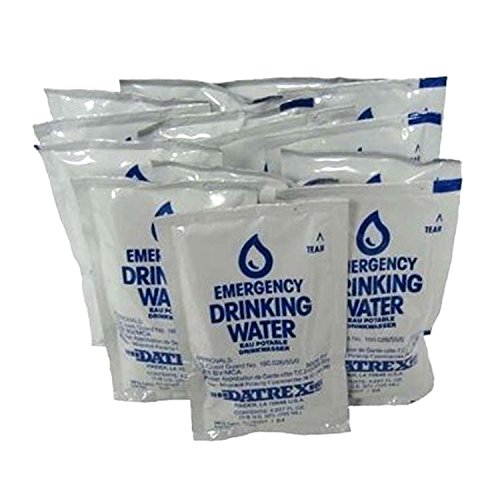
Datrex Emergency Water Packet 4.227 oz – 3 Day/72 Hour Supply (18 Packs) , White
Emergency purified water for immediate use; lightweight and extremely compact
As an affiliate, we earn on qualifying purchases.
As an affiliate, we earn on qualifying purchases.
Conclusion
Just like a skilled explorer uncovers hidden springs beneath icy landscapes, you can find water in cold climates by knowing where to look—seeps, melting snow, and ice pockets. Think of these sources as secret treasure chests waiting to be opened. With patience and keen observation, you’ll navigate the frozen wilderness confidently. Remember, even in the harshest cold, water’s resilience shines through, guiding you like a silent guardian on your journey through winter’s icy maze.
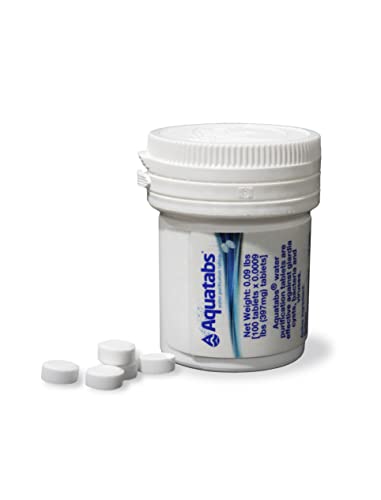
Aquatabs Water Purification Tablets (397mg, 100 Pack). Water Filtration System for Camping, Boating, Emergency Water, Survival Kit, and Marine. Easy-to-Use Water Purifier Treatment.
TRUSTED WATER PURIFICATION TABLETS – Aquatabs are the world's leading water purification tablets for drinking; the ultimate choice…
As an affiliate, we earn on qualifying purchases.
As an affiliate, we earn on qualifying purchases.
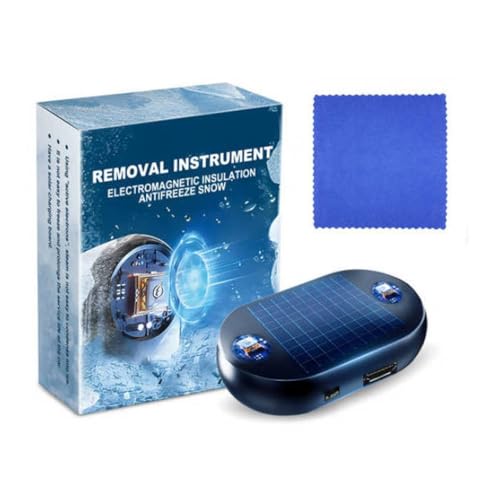
Anti-Freeze Electromagnetic Car Snow Removal Device, Snow & Ice Melt Remover, Compact Antifreeze Defroster for Windshields, Mirrors, and Glass Surfaces, Multipurpose for Cars (1PC, Small)
ADVANCED DEFROSTING TECHNOLOGY: Anti-freeze electromagnetic car snow removal device promotes a superior de-icing effect. Providing you defrosting solution…
As an affiliate, we earn on qualifying purchases.
As an affiliate, we earn on qualifying purchases.