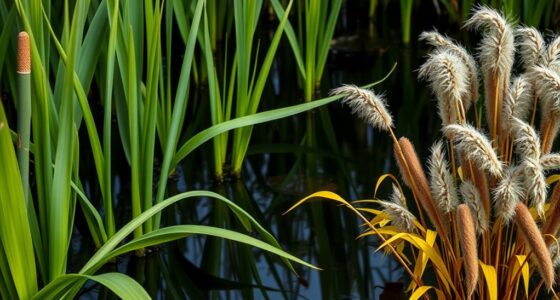

To track and interpret signs in plant-rich microhabitats, focus on spotting specific plant species, patterns, and growth habits that indicate environmental conditions. Pay attention to moisture-loving mosses, lichens, and wildflowers that reveal soil and light qualities. Recognize how plants respond to habitat health, such as vigorous growth or decline. By honing your ability to identify these signs, you’ll better understand the ecosystem’s health and complexity—keep exploring to uncover even more insights.
Key Takeaways
- Observe plant diversity, growth patterns, and unusual features to identify specific habitat conditions.
- Recognize indicator species and plant signs that reveal moisture, soil, and light levels.
- Monitor changes over time in plant health and distribution to assess habitat stability or stress.
- Use natural cues like moss, lichens, and wildflowers to interpret microhabitat quality and resilience.
- Develop skills in species identification and sign interpretation to enhance understanding of plant-rich microhabitats.
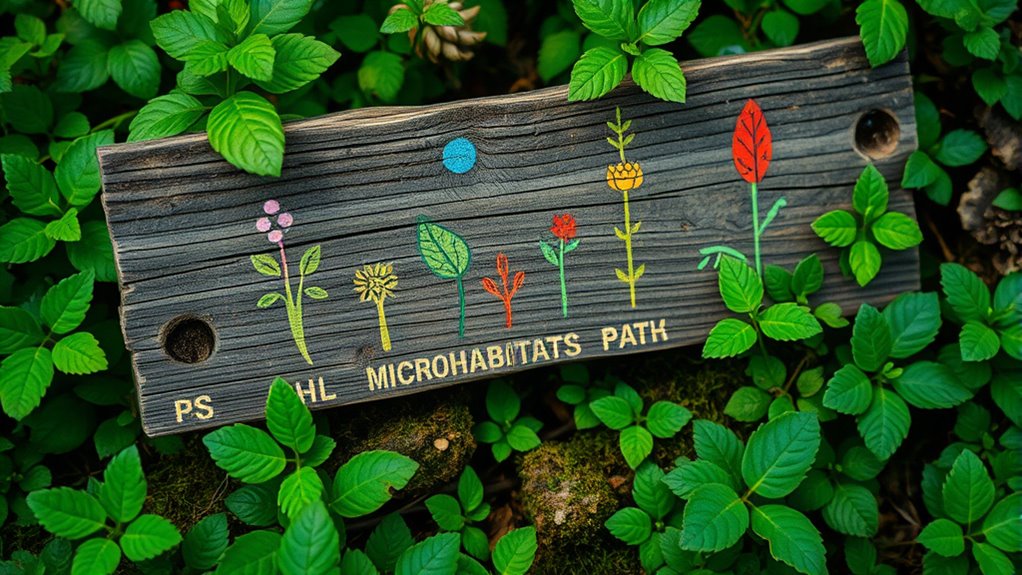
Plant-rich microhabitats often hold the key to understanding local biodiversity, but identifying their signs can be challenging. When you’re out exploring, it’s tempting to focus only on the larger creatures or obvious features, but the real treasure lies in reading the subtle cues that plants and their surroundings reveal. These microhabitats are vibrant with activity, and learning to interpret the signs can open a deeper connection to the land. By honing your skills in species identification and habitat assessment, you gain the ability to see past the surface and understand the intricate web of life thriving in these tiny ecosystems.
Discover the subtle signs plants reveal to understand microhabitat health and biodiversity.
The first step is to recognize that every plant, leaf, or cluster of foliage can tell a story. When you spot unusual plant growth, specific leaf patterns, or distinctive arrangements, you’re witnessing clues about the microhabitat’s health and the species that call it home. For example, the presence of certain mosses or lichens can indicate moisture levels, while particular wildflowers might point to soil conditions or light availability. By paying close attention to these details, you develop a more intuitive sense of the habitat’s state, which is vital for accurate habitat assessment.
Species identification becomes your most powerful tool here. Instead of simply noting that plants are present, learn to distinguish the species—knowing their unique features allows you to infer what the microhabitat offers and supports. As you become more confident in your identification skills, you’ll notice how specific plants align with certain environmental parameters. This knowledge empowers you to assess the habitat’s diversity, resilience, and potential threats, giving you a clearer picture of the health and stability of these plant-rich microhabitats.
Tracking game signs in these microhabitats also involves observing patterns over time. Are particular plants thriving or declining? Do certain signs recur after weather events? These insights help refine your habitat assessment, revealing how dynamic or fragile the environment is. Your role is not just to observe but to interpret these signs, understanding how each element fits into the bigger picture of biodiversity.
Additionally, understanding the presence of specific butter-inspired colors and their cultural significance can deepen your appreciation of how natural elements reflect broader ecological themes.
Top picks for "track read game"
Open Amazon search results for this keyword.
As an affiliate, we earn on qualifying purchases.
Frequently Asked Questions
How Do Seasonal Changes Affect Game Sign in Plant-Rich Habitats?
Seasonal plant cycles and habitat cover variations greatly influence game sign in plant-rich habitats. As seasons change, new growth emerges or fades, making signs more or less visible. During spring, fresh plants reveal fresh tracks and signs, while in winter, denser cover can hide them. You notice these shifts, using the changing plant life to track animals more effectively, embracing the freedom to adapt your approach with the seasons.
Which Tools Are Best for Tracking in Dense Microhabitats?
You should use sensor technology and drone surveillance for tracking in dense microhabitats. Sensors can detect movement, temperature, and sound, giving you real-time data without disturbing wildlife. Drones provide an aerial view, revealing signs hidden beneath thick vegetation. Combining these tools empowers you to monitor game effectively, freeing you from invasive methods. Embrace these innovative tools to explore and understand microhabitats with greater freedom and clarity.
Can Game Sign Indicate Specific Plant Species Presence?
Yes, game signs can hint at specific plant species, but don’t expect a full botanical ID fiesta. Think of them as habitat indicators—clues, not certainties. With keen plant identification skills, you can decode signs to find out which plants are lurking nearby. So, grab your observer’s hat, embrace your inner botanist, and let these signs lead you to nature’s secret menu—liberation from confusion, one clue at a time.
How Can Weather Impact the Visibility of Game Signs?
Weather variability greatly impacts sign visibility, so you’ll notice signs become harder to spot during heavy rain, snow, or strong winds. These conditions can erode, obscure, or wash away markings, making tracking a challenge. To stay liberated in your exploration, adapt your approach by checking after weather shifts and relying on multiple signs. This resilience helps you maintain your connection with the microhabitats, regardless of the weather’s influence on sign visibility.
What Are Common Mistakes When Interpreting Plant-Rich Microhabitat Signs?
You often misidentify signs or overlook subtle indicators when interpreting plant-rich microhabitat signs. It’s tempting to assume obvious signs tell the full story, but nature’s clues are nuanced. To truly understand, you must question your assumptions, look closely, and embrace the complexity. Don’t rush—trust your intuition, stay curious, and see every detail as part of the bigger picture. Freedom lies in understanding nature’s subtle language.
Conclusion
By mastering how to track and read game signs in plant-rich microhabitats, you reveal a whole new world of discovery. Every clue you find brings you closer to understanding nature’s secrets, turning you into a true explorer. With practice, you’ll notice details others miss—like the forest’s heartbeat. Remember, your skills could be the key to uncovering mysteries so profound, they might just change how we see the wild forever. Keep observing; nature’s secrets await!