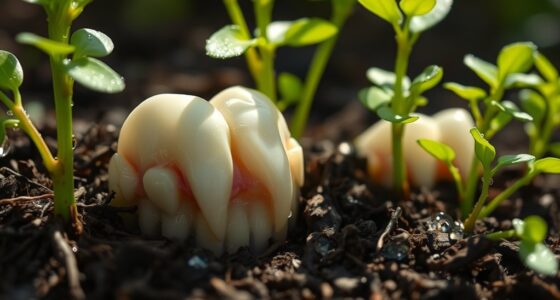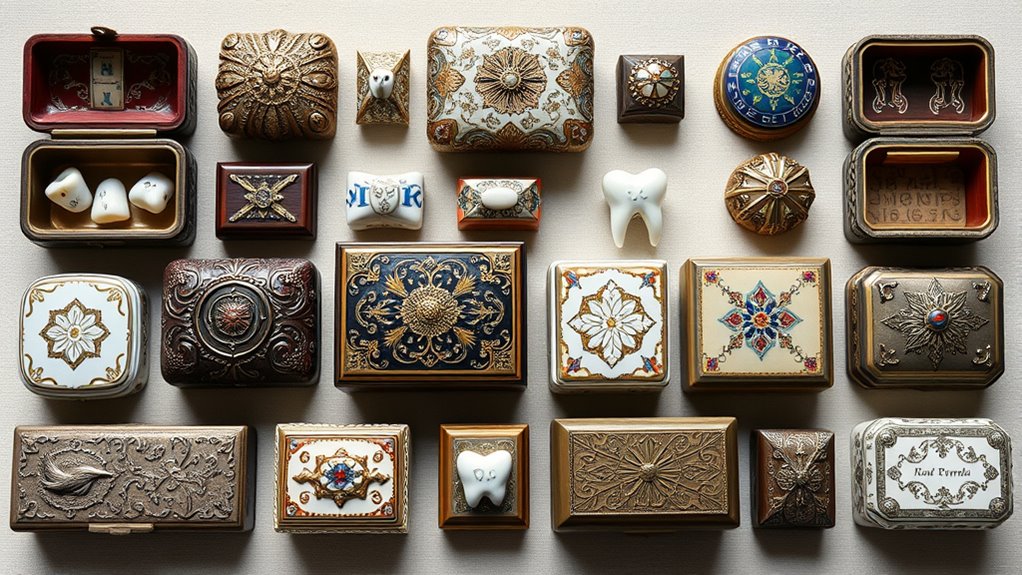
Throughout history, tooth boxes have served as meaningful keepsakes that honor personal milestones and cultural beliefs. They reflect identity, symbolize growth, and carry stories that connect generations. Crafted from various materials like wood or metal, they represent diverse traditions and craftsmanship. Many cultures see preserving teeth as a rite of passage or a way to celebrate memories. If you explore further, you’ll discover how these treasures reveal deeper stories about heritage and personal history.
Key Takeaways
- Throughout history, tooth boxes have served as symbolic keepsakes preserving personal memories and cultural identities.
- They reflect diverse cultural aesthetics, materials, and craftsmanship, emphasizing the importance of individual and cultural storytelling.
- Tooth preservation often marks rites of passage, childhood milestones, and personal growth across various societies.
- Modern practices include personalized and eco-friendly containers, blending tradition with sustainability efforts.
- Keeping teeth as keepsakes challenges societal norms, reinforcing cultural heritage and personal narratives across generations.
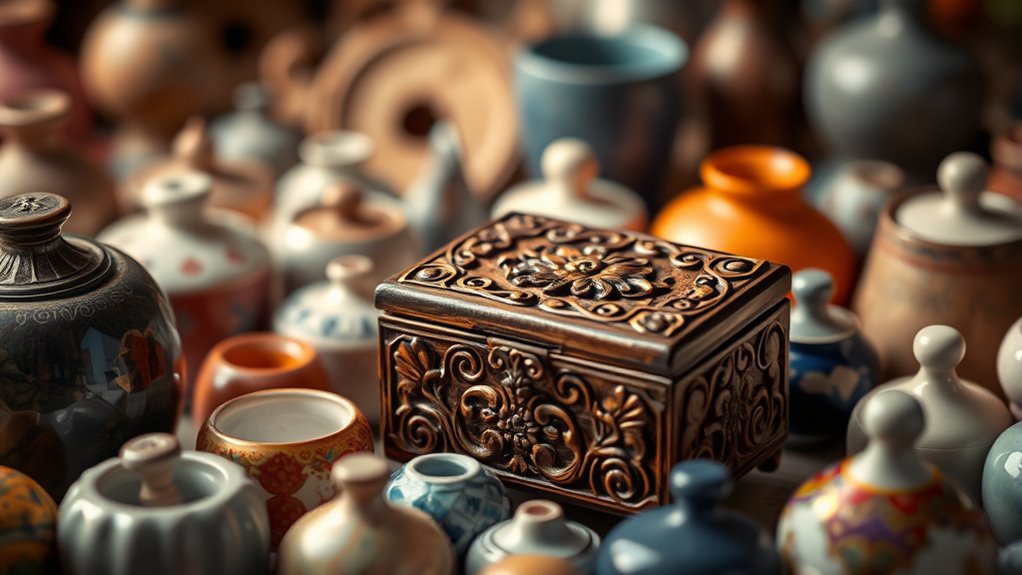
Throughout history, people have used tooth boxes to preserve and honor their lost teeth, reflecting cultural beliefs and personal memories. These small containers serve as more than just receptacles; they are powerful symbols of identity, transitions, and cultural preservation. When you think about dental memorabilia, you realize that these keepsakes carry stories that transcend generations, connecting you to your roots and your history. They remind you of milestones—childhood, growth, and even the end of innocence—while allowing you to hold onto a piece of your past in a tangible form.
In many cultures, the act of preserving a tooth isn’t merely about keeping a biological remnant; it’s about honoring a rite of passage. Whether it’s the mythical “tooth fairy” leaving gifts or a family tradition passing down oral histories, tooth boxes become sacred relics, embodying personal memories and cultural heritage. They serve as a bridge between the past and the present, empowering you to reclaim your narrative and celebrate your journey. By safeguarding this small yet meaningful piece of yourself, you challenge societal norms that might dismiss such practices as trivial, asserting instead that your history deserves recognition.
The beauty of these tooth boxes lies in their diversity—crafted from wood, metal, porcelain, or even carved bone—each reflecting a distinct cultural aesthetic. When you choose to keep a tooth in a carefully selected container, you are engaging in a form of cultural preservation. You’re asserting that your personal history, your identity, is worth cherishing, regardless of how modern society might view such traditions. These keepsakes become symbols of liberation, allowing you to take control of your narrative, to honor your growth, and to resist the erasure of personal and cultural stories. Additionally, some individuals incorporate wax-free candle techniques to create personalized containers that are eco-friendly and unique.
Frequently Asked Questions
How Have Tooth Box Designs Evolved Over Different Cultures?
You’ll notice that tooth box designs evolve with cultural symbolism, reflecting local beliefs, traditions, and artistry. As you explore different cultures, you see design variations—from intricate carvings to simple, functional forms—showcasing unique aesthetic values. These keepsakes liberate you from uniformity, allowing personal and cultural identity to shine through. Over time, they transform from mere containers into meaningful symbols of life, death, and remembrance across diverse societies.
Are Tooth Boxes Used for Purposes Other Than Storing Teeth?
You might think tooth boxes only hold memories, but they serve as symbols of transformation and remembrance beyond mere storage. In funeral rituals, they become memorial keepsakes, embodying life’s fleeting nature and honoring loved ones. These keepsakes offer liberation from loss, turning personal mementos into powerful symbols of enduring connection. They remind us that beneath their simple appearance, tooth boxes represent more than teeth—they embody memories, passages , and the enduring human spirit.
What Materials Were Historically Used to Make Tooth Boxes?
You’ll find that historically, tooth boxes were crafted from materials like wood, ivory, and metal, reflecting their cultural significance. These materials often tied into dental ornamentation and funerary practices, symbolizing status or spiritual beliefs. By choosing such materials, people expressed their liberation from traditional constraints, turning simple keepsakes into meaningful tokens that challenged societal norms and celebrated personal or cultural identity through creative expression.
How Do Cultural Beliefs Influence Tooth Box Styles?
Cultural beliefs shape tooth box styles through symbolism and artistic expressions that celebrate identity and heritage. You’ll notice designs reflecting spiritual meaning, societal values, or local customs, empowering you to connect deeply with your roots. These styles liberate personal expression, turning a simple keepsake into a statement of cultural pride. By embracing diverse artistic motifs, you can honor your history while showcasing your uniqueness and embracing your cultural journey.
Are Vintage Tooth Boxes Considered Valuable Collectibles Today?
Yes, vintage tooth boxes are considered valuable collectibles today. They evoke a sense of nostalgia, embodying dental memorabilia and cultural history. Their collectible significance lies in their unique designs, craftsmanship, and historical charm. You can appreciate their cultural stories and artistic details, feeling liberated from modern mass-produced items. These keepsakes connect you to the past, making them prized treasures for collectors who seek meaningful, timeless pieces with personality and history.
Conclusion
So, next time you see a vintage tooth box or hear about one, remember it’s more than just a keepsake. It’s a glimpse into history, culture, and personal stories. You might think it’s just an old trinket, but embracing these artifacts lets you connect with the past in a meaningful way. Don’t dismiss them as mere curiosities — they’re treasures that remind us of our shared human experience through the ages.