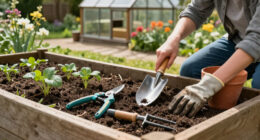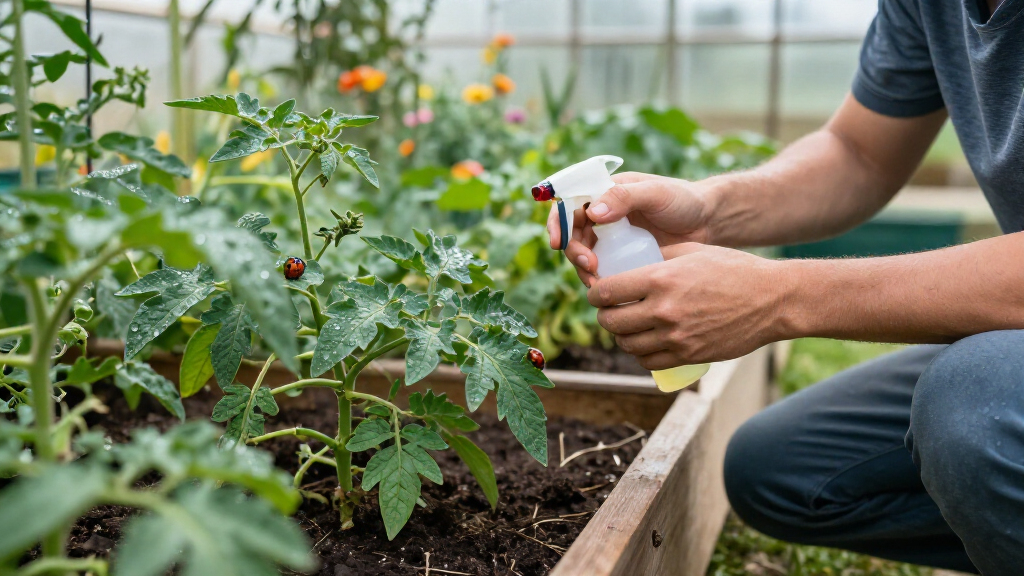
This checklist is for gardeners looking to protect plants from common pest pressure in beds, containers, and greenhouse spaces. It brings together physical barriers, monitoring tools, and habitat choices, while keeping the focus on matching each option to the job.

Get garden gear delivered free with Prime
- Fast, free delivery on millions of items
- Prime Video, Amazon Music and more included
- Member-only deals all year
The sections are organized by approach: cover plants, block insects, monitor flying pests, consider slug barriers, apply garden treatments, and support beneficial insects. Each pick is paired with guidance on fit and use, so you can assess whether it suits your garden setup.
Start by identifying where pests are getting in and which plants need protection. Check measurements, access needs, and compatibility with your beds or containers before choosing; use the buying order at the end to prioritize what to address first.
Floating Row Covers
A floating row cover can create a physical layer over plants, helping you protect a bed while still allowing room for growth. The listed pick is a 10 ft x 30 ft Frost Cloth Kit with 6 Garden Hoops. Its dimensions and included hoops make the key question whether the covered area matches your planting layout and whether the hoops can be positioned to support the cloth over your crops.
A common buying mistake is choosing by the overall length alone. Measure the bed’s width and length, account for the space needed to secure the edges, and consider whether you want to cover one continuous row or several smaller areas. Check plant height and expected growth, too: a cover that presses against foliage may be awkward to use, while an unsupported span may not give plants enough room. Plan how you will reach the bed for watering, inspection, and harvesting, and make sure the edges can be lifted or secured as needed. Fit the cover to the bed and the routine you can maintain.
What to look for:
- Measure bed width and length before selecting a cover.
- Allow extra material to secure the edges.
- Check whether the six hoops can support the planned span.
- Leave room for plants to grow without pressing against the cloth.
- Plan access for watering, inspection, and harvesting.
10 ft x 30 ft Frost Cloth Kit with 6 Garden Hoops

This 10 ft by 30 ft frost cloth kit includes support hoops and connectors to create a raised tunnel structure for garden protection. Made from thickened, breathable fabric, it shields plants from cold, frost, wind, and pests across multiple seasons.
Pros:
- Provides sturdy support with included hoops
- Thickened fabric offers better durability and coverage
- Multi-season protection for various garden needs
Cons:
- Assembly may require some effort
- Large size may be cumbersome to handle alone
- Not suitable for heavy snow conditions
Best for: Gardeners covering a measured row or bed
Not ideal for: Anyone whose layout exceeds the listed dimensions
Bottom line: Measure the bed and plan access before deciding whether this cover kit fits.
Insect Netting
Insect netting is a physical barrier option for plants that need coverage while remaining accessible for routine care. The listed pick is SWANGSA Garden Netting 10 x 50 FT (3 Pack) – Ultra-Fine Mesh Plant Cov. The product name identifies a 10-by-50-foot size and a three-pack, so compare those dimensions with the areas you want to cover before planning how to use it.
Do not assume a large total area automatically means an easy fit. Measure each bed or row, decide whether the pieces will be used separately or together, and leave material for securing the edges. Think through how you will lift or open the netting to inspect plants and tend them. A frequent mistake is covering a crop without considering supports, plant height, or how the barrier will meet the ground around the planting area. Check the mesh and intended use details on the product listing, then make sure the setup works with your bed shape and access routine. Coverage and access matter together: a barrier that is difficult to manage may be harder to keep in place consistently.
What to look for:
- Compare the listed 10 x 50 ft dimensions with your planting areas.
- Determine whether the three pieces suit separate beds or one layout.
- Allow material for securing the netting around the edges.
- Check support and clearance needs for mature plants.
- Plan access for inspecting and tending covered plants.
SWANGSA Garden Netting 10 x 50 FT (3 Pack) – Ultra-Fine Mesh Plant Cover for Gar

This set includes three 10 x 50 ft ultra-fine mesh garden nets (0.04 x 0.04 inch openings) that protect vegetables, fruits, flowers, and trees from birds, insects, deer, and other small animals. The transparent, lightweight fabric lets sunlight, air, and moisture through, so you can water plants and monitor growth without removing the cover.
Pros:
- Ultra-fine 0.04-inch mesh blocks small animals like birds, cicadas, chipmunks, and deer while letting in sunlight, air, and moisture
- Transparent design allows watering and plant monitoring without removing the cover
- Easy to cut to any size and simple to install
- Versatile for vegetables, fruits, flowers, and trees across many settings and seasons
Cons:
- Requires separate securing materials such as stones, soil, or stakes, which are not included
- Lightweight mesh may offer limited resistance to larger or persistent animals
Best for: Gardeners who can use multiple netting pieces
Not ideal for: Beds that are difficult to cover or access
Bottom line: Map the coverage area and access points before choosing how to use this three-pack.
Yellow Sticky Traps
Sticky traps can give you a way to monitor flying pests around plants. The listed pick is Qualirey Giant Yellow Flypaper Traps, 15 Rolls. Before selecting it, consider where you plan to place traps and whether rolls suit your garden better than individual ready-to-use pieces. Placement should fit the plants and the way you move through the space.
A common mistake is treating traps as a substitute for checking plants. Decide what areas you want to monitor, position traps where they are visible and manageable, and inspect them as part of a regular garden routine. Consider how you will handle and replace used material, and keep traps from interfering with access to plants or other garden tasks. The product name does not specify dimensions or mounting details, so check the listing for those details before deciding how many rolls you need or how to deploy them. Plan placement first, then choose a quantity that makes sense for the number of locations you intend to monitor.
What to look for:
- Check roll dimensions and deployment details on the listing.
- Identify monitoring locations before deciding how many rolls to use.
- Place traps where they are easy to inspect and manage.
- Keep placement from interfering with plant care and access.
- Plan how used traps will be handled and replaced.
Qualirey Giant Yellow Flypaper Traps, 15 Rolls

This set includes 15 rolls of yellow sticky flypaper, each 30 feet long and 10 inches wide, with a total of 3,600 square inches of catching surface. The non-toxic, odorless traps use thick glue on waterproof paper and can be hung indoors or outdoors to catch flies and other flying insects.
Pros:
- Non-toxic and odorless
- Waterproof paper
- Can be hung indoors or outdoors
- Catches flies, gnats, mosquitoes, moths, and other flying insects
Cons:
- Sticky traps need to be removed and discarded when covered with insects
Best for: Gardeners planning several monitoring locations
Not ideal for: Anyone needing specified dimensions before purchase
Bottom line: Confirm roll details and map placement spots before selecting this pack.
Copper Slug Tape
No product is listed for this section, so treat copper slug tape as an advice-only option and assess your setup before shopping. Start by identifying the exact surface you would wrap or edge, such as a container rim or a defined bed boundary. Measure the full route, including corners and overlaps, rather than estimating from the planting area alone. Measure the boundary so you can determine the quantity and layout you would need.
A common mistake is assuming tape will suit every garden shape or attachment surface. Check the product instructions for compatible materials, surface preparation, and application guidance, then consider whether the edge will remain accessible for inspection and maintenance. Avoid planning a run that leaves gaps at corners or around supports; those transitions may be the hardest parts to cover neatly. Because there is no named pick here, compare listings by stated dimensions and installation directions, and choose only after you know where the tape will go. Keep the setup practical for routine checks and garden care.
What to look for:
- Measure the full edge or rim, including corners and overlaps.
- Check product instructions for compatible surfaces and preparation.
- Plan how tape will meet at corners and around supports.
- Compare stated roll dimensions with the measured boundary.
- Keep the finished edge accessible for inspection.
Garden Hand Sprayer
A hand sprayer can be useful for applying garden treatments, but the listed pick needs careful verification: Garden Tools Set, 3‑Pack Heavy Duty Gardening Tools – Shovel, Transpla. The product name describes a gardening tool set with a shovel and a truncated transplant reference; it does not identify a hand sprayer. Confirm the product listing before treating it as the pick for this slot.
A common buying mistake is relying on a category label when the product title points to different equipment. If you need a sprayer, check that the listing explicitly describes one and provides its capacity, nozzle or spray pattern details, and directions for compatible uses. Consider how much area you need to treat, how the sprayer will be carried and cleaned, and whether its controls fit your routine. Follow the product instructions for any treatment and use. Verify the item first; do not assume a shovel or transplant tool set includes spraying equipment. If the listing does not confirm a sprayer, look for a product whose description matches the task.
What to look for:
- Confirm the listing is for a hand sprayer, not only garden tools.
- Check stated capacity and spray details if a sprayer is listed.
- Match the sprayer size to the area you intend to treat.
- Review cleaning and use instructions before application.
- Choose equipment whose title and description fit the task.
Garden Tools Set, 3‑Pack Heavy Duty Gardening Tools – Shovel, Transplant Trowel

This 3‑piece garden tool set includes a sturdy shovel, a depth‑measured transplant trowel, and a robust hand rake, all made from thickened aluminum alloy for rust resistance. The ergonomic TPR handles feature contoured finger grips and a palm rest to reduce fatigue, while the hanging holes allow easy storage.
Pros:
- Durable thickened aluminum alloy construction resists rust and handles tough soil.
- Ergonomic TPR handle with contoured finger grips reduces hand fatigue.
- Transplant trowel includes depth measurement for precise planting.
- Hanging holes on each tool make storage and transport convenient.
Cons:
- Only three basic tools are included; larger shovels or specialized implements are absent.
- The orange finish may fade with prolonged outdoor exposure.
Best for: Shoppers who can confirm the listing includes a sprayer
Not ideal for: Anyone relying on the supplied title alone
Bottom line: The listed title does not identify a sprayer, so verify the item details before buying for this slot.
Beneficial Insect Habitat
A habitat structure can add a place intended for beneficial insects within an outdoor garden. The listed pick is Wooden Mason Insect Bee Butterfly House, Insect Hotel, Outdoor Hanging. Its name describes a wooden, hanging insect house, so consider whether you have an appropriate outdoor location and a way to hang it securely.
A common mistake is choosing a habitat without planning where it will go or how it fits the garden. Check the product’s dimensions, hanging hardware, and placement guidance, since those details are not included in the supplied name. Consider whether the location will remain accessible for inspection and upkeep, and whether the structure can be positioned without obstructing ordinary garden work. Read the listing for the types of insects and intended use it describes rather than assuming every insect house supports every beneficial species. Choose a suitable location and confirm the product details before adding it to your garden plan.
What to look for:
- Check the house dimensions and hanging hardware on the listing.
- Choose an outdoor location where it can be secured safely.
- Review stated intended insect types and use.
- Keep the structure accessible for inspection and upkeep.
- Make sure placement does not obstruct routine garden work.
Wooden Mason Insect Bee Butterfly House, Insect Hotel, Outdoor Hanging Bamboo Ha
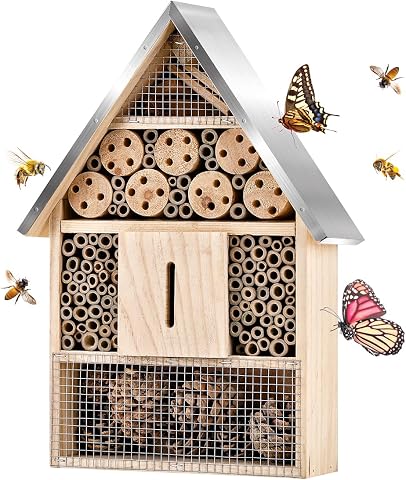
This insect hotel provides a natural habitat for bees, butterflies, and ladybugs, featuring multiple holes and compartments to shelter and hatch bugs. Made of eco-friendly materials like pine wood, bamboo, and pine cones, it is weatherproof and suitable for garden hanging.
Pros:
- Provides a natural habitat for beneficial insects
- Made of eco-friendly, natural materials
- Weatherproof and suitable for outdoor use
- Large capacity with multiple holes for various bugs
Cons:
- Holes may be too small for larger insects
- Requires hanging in a dry, sheltered location
- Design may not appeal to all garden aesthetics
Best for: Gardeners with a suitable outdoor hanging location
Not ideal for: Anyone without a secure, accessible placement spot
Bottom line: Confirm dimensions, hardware, and intended use before choosing a place for this insect house.
Use a budget-first buying order by addressing the clearest plant-protection need before adding extras: measure beds for covers or netting, then consider monitoring tools, and evaluate habitat or edge treatments based on your actual layout. For the sprayer slot, verify the product listing before treating the supplied garden-tool title as a match.
You do not need to equip every area at once. Start with one measured bed or a defined monitoring location, see how it fits your routine, and expand your checklist as you learn what your garden needs. Thoughtful fit checks make each purchase easier to use and maintain.