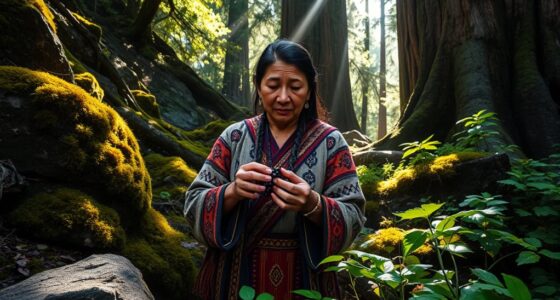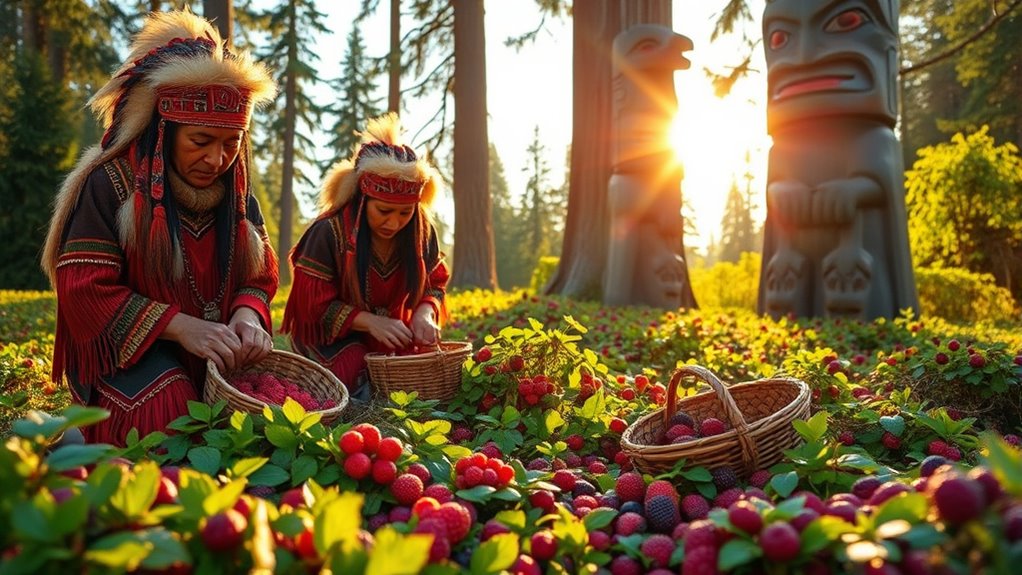

To respect Indigenous harvest protocols, you need to honor their cultural traditions, sovereignty, and legal rights. Engage with community leaders, listen actively, and follow their guidelines on resource access and harvesting methods. Be aware of specific seasons, ceremonies, and restrictions they may have. Supporting their authority helps preserve their heritage and sovereignty while avoiding colonial attitudes. If you want to understand more about this essential practice, you’ll find more important insights ahead.

Get garden gear delivered free — and shop member deals
- Fast, free delivery on millions of items
- Access to Prime Big Deal Days deals on October 6–7
- Prime Video, Amazon Music and more included
Key Takeaways
- Obtain necessary permissions or permits from Indigenous communities before engaging in harvesting activities.
- Follow community-specific harvesting seasons, methods, and protocols outlined by elders or leaders.
- Practice active listening and cultural sensitivity to respect Indigenous spiritual and cultural connections to the land.
- Educate yourself on legal rights, treaties, and land agreements governing resource access and sovereignty.
- Support Indigenous-led initiatives that uphold cultural traditions, legal frameworks, and the protection of sovereignty.
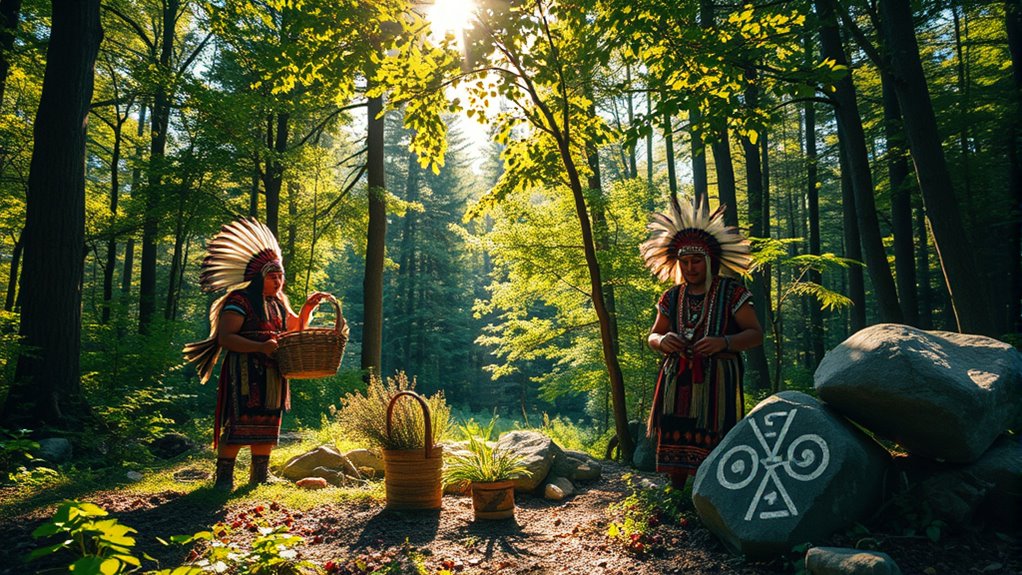
Respecting Indigenous harvest protocols is essential for honoring the cultural traditions and sovereignty of Indigenous communities. When you engage with these practices, you’re not just respecting customs—you’re recognizing their right to control their land, resources, and cultural heritage. This is about more than following rules; it’s about cultivating cultural sensitivity that acknowledges their historical context, spiritual connection, and ongoing relationship with their environment. Recognizing and respecting these protocols affirms their sovereignty and challenges the colonial systems that have historically marginalized their voices. You must understand that Indigenous harvesting is rooted in centuries of tradition, spiritual meaning, and community consensus, not just resource extraction. By honoring these protocols, you actively oppose the oppressive structures that seek to diminish Indigenous agency and knowledge.
Legal considerations are a critical part of this respect. Many Indigenous communities have formal laws, treaties, and land rights that govern how their resources are to be accessed and utilized. Ignoring these legal frameworks isn’t just disrespectful; it perpetuates colonial violence and disregards their sovereignty. When you approach Indigenous harvesting sites or practices, you need to be aware of and comply with relevant laws and regulations. This might mean obtaining permission or permits, respecting designated harvesting seasons, or following specific methods outlined by community elders or leaders. These legal considerations are designed not only to protect resources but also to ensure that Indigenous communities retain control over their cultural practices. Your role becomes one of allyship—supporting their legal rights and resisting any attempts to bypass or undermine them.
Understanding the significance of self-governing practices and their connection to sovereignty can deepen your respect for Indigenous protocols. Engaging with Indigenous harvest protocols requires active listening and humility. It’s about understanding that these practices aren’t just about resource gathering but are tied deeply to spiritual and cultural identity. When you prioritize cultural sensitivity, you show respect for their worldview and avoid actions that could cause harm or cultural erasure. It also means challenging yourself to unlearn colonial attitudes that treat Indigenous practices as mere customs or outdated traditions. Instead, see them as living expressions of sovereignty and resilience. In situations where legal considerations come into play, educate yourself about the legal landscape and support efforts to uphold Indigenous rights. Your awareness and actions can contribute to a broader movement for Indigenous liberation—one rooted in respect, recognition, and justice.
As an affiliate, we earn on qualifying purchases.
Frequently Asked Questions
How Can Non-Indigenous Harvesters Build Trust With Indigenous Communities?
You can build trust with Indigenous communities through genuine community engagement and cultural exchange. Show respect for their traditions, listen actively, and learn their protocols. By participating sincerely and valuing their knowledge, you foster mutual understanding and respect. This approach not only honors their sovereignty but also empowers both communities to grow together, creating a foundation of trust rooted in shared respect, understanding, and liberation from historical injustices.
What Are Common Misunderstandings About Indigenous Harvest Protocols?
You often believe that protocol ignorance is harmless, but in reality, cultural misinterpretations deepen mistrust. People assume all harvesting practices are the same, overlooking the sacred significance behind each step. You might think respecting protocols is optional, yet neglecting them dismisses Indigenous sovereignty and knowledge. Recognizing these misunderstandings liberates both communities—by honoring traditions, you dismantle barriers, foster respect, and build genuine relationships rooted in mutual respect and cultural integrity.
Are There Legal Requirements for Respecting Indigenous Harvesting Rights?
Yes, there are legal obligations that require you to respect Indigenous harvesting rights. These laws aim to uphold cultural respect and recognize Indigenous communities’ sovereignty over traditional resources. By understanding and following these legal requirements, you help support Indigenous autonomy and promote justice. Ignoring these obligations can lead to legal consequences and perpetuate colonial harm. Embrace your role in fostering respect, ensuring Indigenous rights are honored and their cultural practices protected.
How Do Indigenous Protocols Vary Across Different Regions?
Think of each region’s protocols as a unique dance, flowing with its own rhythm. You’ll find that regional customs and ceremonial practices differ widely—what’s sacred in one area might be a daily act in another. Respecting these variations empowers Indigenous communities, honoring their cultural sovereignty. You’re not just observing rules; you’re embracing their spiritual sovereignty, standing with them to break down colonial barriers and foster true liberation through cultural respect.
What Are the Consequences of Not Respecting Indigenous Harvest Protocols?
Ignoring Indigenous harvest protocols leads to cultural insensitivity and can cause resource depletion. You risk alienating Indigenous communities, eroding trust, and perpetuating injustices. When you dismiss their traditional practices, you undermine their sovereignty and the environment’s health. Respecting protocols fosters mutual respect and sustainable resource use. By doing so, you support liberation and equity, ensuring Indigenous voices are heard and their stewardship valued.
Conclusion
By respecting Indigenous harvest protocols, you honor their traditions and foster trust. Remember, over 80% of Indigenous communities consider these protocols essential for environmental sustainability and cultural preservation. When you follow their guidelines, you’re not just harvesting resources—you’re supporting their sovereignty and safeguarding their heritage. It’s a small act that makes a big difference, ensuring these valuable traditions continue for generations. So, next time, approach Indigenous harvesting with respect and understanding—you’re part of something much bigger.
Fall yard work Picks
leaf blowers
As an affiliate, we earn on qualifying purchases.