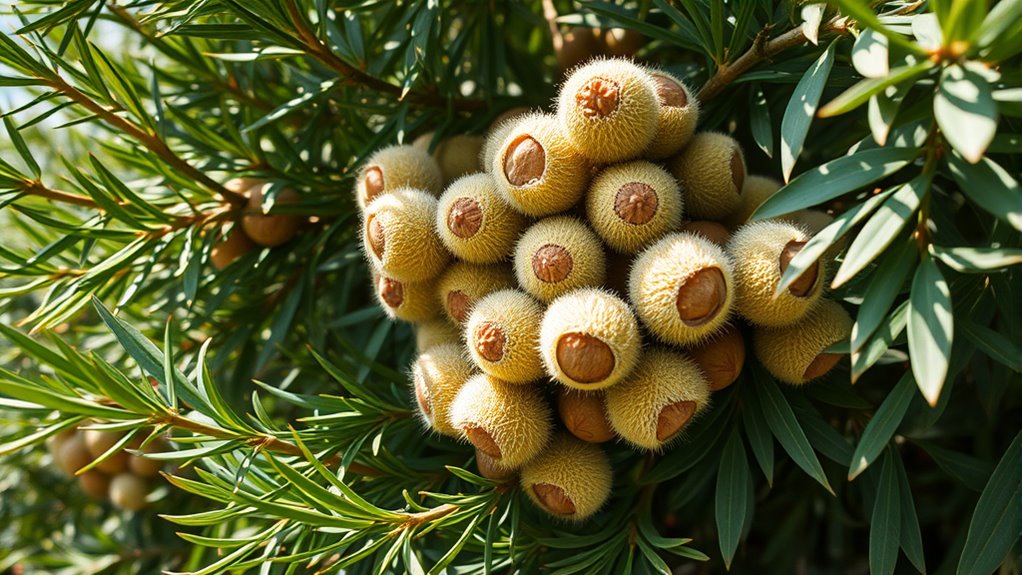

To identify hazelnut or filbert shrubs, look for deciduous plants reaching about 15 feet tall with broad, rounded leaves and nut-bearing branches. They thrive in well-drained soils and sunny climates with warm summers and cool winters. You’ll know when to harvest when the shells turn brown and start to split open, usually late summer or early fall. Paying attention to these signs helps guarantee you pick nuts at their peak freshness—continue on to discover even more tips.

Get garden gear delivered free — and shop member deals
- Fast, free delivery on millions of items
- Access to Prime Big Deal Days deals on October 6–7
- Prime Video, Amazon Music and more included
Key Takeaways
- Hazelnut/filbert shrubs are deciduous, reaching up to 15 feet, with broad, rounded leaves, aiding identification.
- They thrive in well-drained soils with warm summers and cool winters for optimal growth.
- Look for shells turning brown and cracking open as a sign that nuts are ready for harvest.
- Harvest typically occurs in late summer to early fall, depending on climate and nut maturity.
- Regular monitoring for shell color and cracking helps determine the best harvest time.
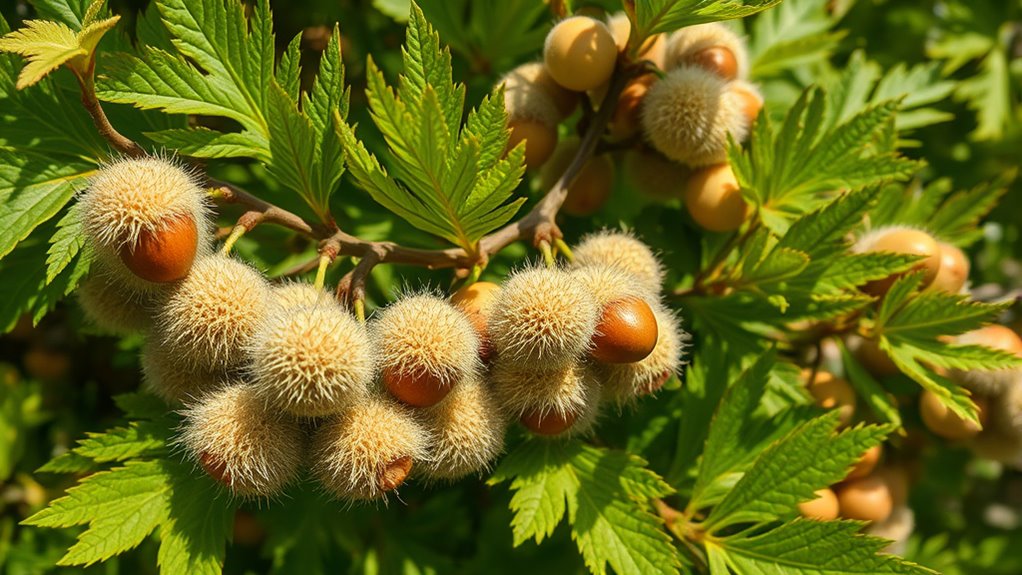
Have you ever wondered if hazelnuts and filberts are the same nut? The truth is, they’re often used interchangeably, but understanding their differences can empower you to take control of your nut-growing journey. When it comes to nut cultivation techniques, knowing how to identify the right shrub and timing your harvest is essential. Hazelnuts, or filberts, grow on deciduous shrubs that can reach up to 15 feet tall, with broad, rounded leaves. These plants thrive in well-drained soils and prefer a climate that offers warm summers and cool winters. Recognizing the shrub’s growth habit early helps you optimize care and maximize yield. You can cultivate these nuts by selecting healthy, disease-resistant varieties and providing proper pruning to encourage fruitful branches. This approach not only boosts nut production but also reduces the need for chemical interventions, aligning with your desire for a more liberated, sustainable approach.
Understanding hazelnuts and filberts helps you grow healthier shrubs and optimize your harvest sustainably.
As your hazelnut or filbert shrub matures, understanding its harvest timing becomes indispensable. Typically, nuts are ready to harvest when the shells turn brown and begin to split open, revealing the nut inside. This usually happens in late summer to early fall, depending on your climate. Harvesting at the right moment ensures the nuts are fully developed, flavorful, and easier to collect. Keep a keen eye on the shells’ color and cracking pattern; this is your cue to act. Delaying harvest can lead to nut loss due to shattering or pest infiltration, so staying attentive to the plant’s signals is key to a successful yield. Additionally, monitoring for pest management issues and implementing organic strategies can help protect your crop at this critical stage.
Speaking of pests, using effective pest management strategies is imperative for maintaining healthy shrubs and quality nuts. Common pests like filbertworms, aphids, and hazelnut weevils can threaten your harvest, but you can take control by implementing integrated pest management (IPM). This includes regular monitoring, encouraging beneficial insects, and applying organic or targeted treatments when necessary. By understanding pest behaviors and employing proactive strategies, you reduce reliance on harsh chemicals, fostering a more liberated approach to cultivation. This empowers you to nurture your plants naturally, ensuring a bountiful harvest without sacrificing your desire for independence from traditional, chemical-heavy farming methods.
In the end, mastering nut cultivation techniques and pest management strategies puts you in the driver’s seat. You’re not just growing nuts—you’re reclaiming your connection to nature, cultivating with intention, and harvesting with confidence. Whether you call them hazelnuts or filberts, the knowledge you gain allows you to grow these nuts on your terms, free from dependency on external systems. Your garden becomes a symbol of liberation, a proof of your ability to nurture life and enjoy its rewards on your own terms.
hazelnut shrub identification guide
As an affiliate, we earn on qualifying purchases.
As an affiliate, we earn on qualifying purchases.
Frequently Asked Questions
How Do Hazelnuts Adapt to Different Soil Types?
You’ll find hazelnuts adapt well to various soil types, but they thrive best in well-drained soils with a soil pH between 6.0 and 7.5. They handle different soil textures, from sandy to loamy, as long as drainage capacity is good. Don’t let water sit around their roots, or you risk root rot. Adjust soil conditions if needed, and your hazelnuts will flourish and produce abundant nuts.
What Pests Commonly Affect Hazelnut Shrubs?
Imagine your hazelnut shrub as a fortress under siege by tiny invaders—aphids, hazelnut weevils, and caterpillars. To defend your bounty, practice pest control and disease prevention, like a vigilant guardian. Regular inspections help catch pests early, while natural predators or organic treatments keep threats at bay. With proactive care, you free your shrub from pests’ grip, ensuring healthy growth and a plentiful harvest.
Can Hazelnuts Be Grown in Containers?
Yes, you can grow hazelnuts in containers, making container cultivation and indoor planting options available for you. Choose a large, well-draining pot and use rich soil to support healthy growth. Regular watering and ample sunlight are essential. This approach liberates you from traditional outdoor gardening constraints, allowing you to enjoy fresh hazelnuts wherever space is limited. Embrace indoor planting to bring nature’s bounty right into your home.
How Long Does It Take for a Hazelnut Shrub to Mature?
Think of your hazelnut shrub as a young adventurer stepping into the world. It takes about 3 to 5 years for it to reach maturity, revealing its bounty during harvest timing. Patience liberates you from haste, allowing the plant to fully develop. As you nurture it, trust in the journey, knowing that freedom from early expectations leads to a robust, fruitful harvest. Your perseverance transforms growth into abundance.
Are There Organic Methods for Harvesting Hazelnuts?
You can harvest hazelnuts organically by using sustainable methods like hand-picking when nuts naturally fall, avoiding synthetic chemicals, and encouraging natural pest control with beneficial insects. This approach lets you enjoy the bounty while respecting the environment. Embrace organic harvesting, freeing your garden from harmful substances, and nurture your hazelnuts in harmony with nature. It’s a liberating way to connect deeply with your food and promote ecological health.
Conclusion
So, now that you’ve mastered shrub IDs and harvest timing, you’re basically a hazelnut hero. Just remember, patience is key—unless you fancy a nutty surprise in your shoe. Keep an eye on those nuts, or they’ll slip away faster than your resolve to eat just one. With a little care, you’ll be lounging with a bowl of freshly harvested filberts in no time—because who doesn’t want to be the nutty neighbor everyone envies?
Fall Picks
fall essentials
As an affiliate, we earn on qualifying purchases.